

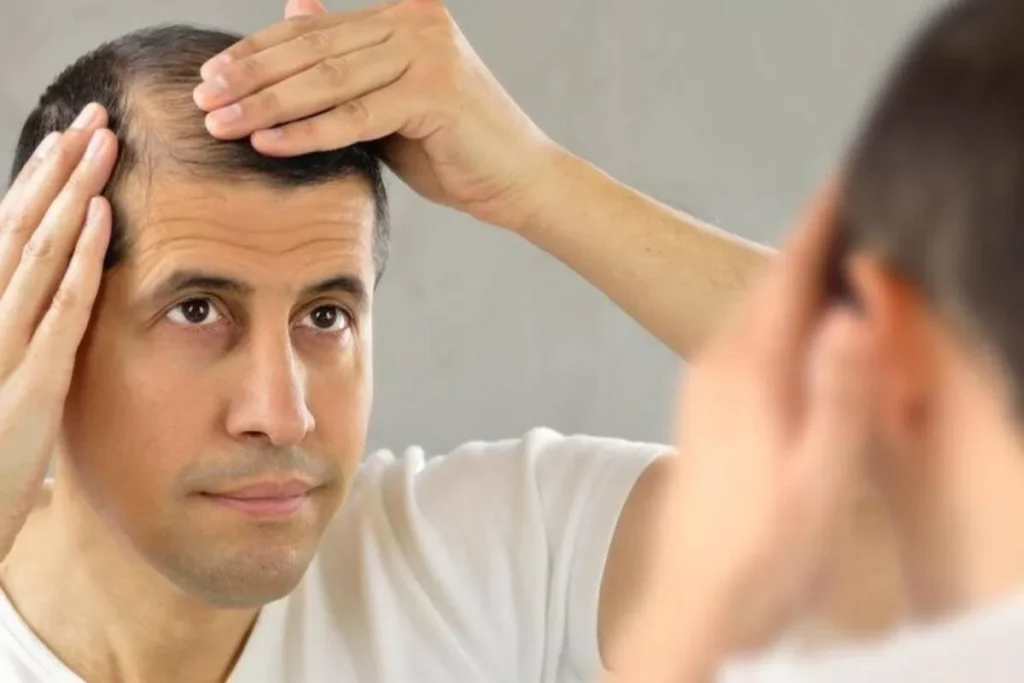
Many people want a radiant glow through hair restoration. Thanks to hair transplant technology, achieving timeless beauty is now possible.
Permanent hair restoration is the amazing way to end balding forever. Explore powerful, long-lasting solutions for a thick, full mane today.
Studies show that transplanted follicles resist the hormone causing male pattern baldness. This means they can keep growing in areas that were once bald. Knowing how hair transplant permanence works can help you feel more confident in your beauty.
Key Takeaways
Hair transplants offer a lasting solution to hair loss.
Transplanted follicles resist the hormone responsible for male pattern baldness.
Advanced surgical techniques ensure high success rates for transplanted follicles.
Understanding the science behind hair transplant permanence is key.
Clinically proven results can boost your confidence.
Understanding Hair Transplant Longevity

Hair transplant longevity is key for those looking to stop hair loss forever. The success of the procedure depends on several important factors. These include the science behind making the transplant last and how well the new hair follicles resist DHT, a hormone that causes hair loss.
The Science Behind Hair Transplant Permanence
Hair transplants last because the new hair follicles keep their genetic traits. This means they resist DHT, the hormone that leads to hair loss in people with androgenetic alopecia. This resistance is vital because it lets the transplanted hair grow naturally, giving a lasting fix for balding.
Key aspects that contribute to the permanence of hair transplants include:
The genetic resistance of transplanted follicles to DHT
The skill and technique of the surgeon performing the transplant
The quality and availability of donor hair
DHT Resistance in Transplanted Follicles
Studies show that transplanted hair follicles keep their DHT resistance. This ensures they keep growing and looking natural. This resistance is key to the procedure’s success, as it lets the transplanted hair grow well even in balding areas.
Research shows that over 90% of patients keep good results 5 years after their procedures. Some say hair transplant results can last 10 to 15 years on average. This shows how effective hair transplants are in fighting hair loss, boosting confidence and making people look younger.
Advanced surgical methods, careful patient choice, and post-op care all help hair transplants last long. Knowing the science behind hair transplant permanence and what affects its longevity helps people choose the best hair restoration options.
Factors Affecting Permanent Hair Restoration Success

The success of hair transplants depends on several key factors. Knowing these elements is key to getting the results you want and making the transplant last longer.
Surgeon Expertise and Technique
The skill of the surgeon and the technique used are very important. A skilled surgeon with the latest techniques can greatly improve the hair transplant effectiveness. As a top hair restoration expert says, “The art of hair transplantation is not just in the procedure, but in the precision and care with which it is performed.”
Advanced techniques, like follicular unit extraction (FUE), need a lot of precision and understanding of hair growth. The surgeon’s ability to design a natural-looking hairline and ensure the right angle and direction of the transplanted hair is very important.
Donor Hair Quality and Availability
The quality and amount of donor hair are very important for the transplant’s success. Permanent hair implants need healthy and dense donor hair. The hair’s texture, color, and the density of the donor area affect the outcome. Having enough donor hair is key for the desired coverage and density.
Post-Operative Care Compliance
Following post-operative care instructions is very important for the success of the transplant. Patients must carefully follow the surgeon’s guidelines to avoid complications and ensure the best healing. Hair restoration specialists stress, “Proper post-operative care is the key to unlocking the full benefit of your hair transplant.”
Patient Genetics and Age Considerations
Patient genetics and age are important factors that can affect the transplant’s long-term results. Understanding how long does hair restoration last involves considering the patient’s genetic predisposition to hair loss and their age at the time of the procedure. While a hair transplant can last a long time, ongoing hair loss can affect the appearance over time.
In conclusion, the success of permanent hair restoration depends on many factors. These include the surgeon’s skill, the quality and amount of donor hair, post-operative care, and patient genetics. By understanding these factors, people can make better decisions about their hair restoration journey. The question of does a hair transplant last forever can be answered by considering these important elements and their impact on the transplant’s longevity.
Hair Transplant Results Timeline and Longevity
Knowing how long hair transplant results take is key to being happy with the outcome. The path to a full head of hair after a transplant has many stages. These include the initial recovery and long-term growth.
Initial Recovery and Shedding Phase
The first few days to a week after a transplant are critical. Patients might see redness, swelling, and feel some discomfort. It’s vital to follow the doctor’s instructions closely to avoid problems. In 2-4 weeks, the new hair often falls out, which is normal.
Growth Milestones: 12-18 Months
After the hair falls out, the new follicles rest before growing again. Usually, by 12 to 18 months, patients see big improvements. The hair grows in cycles, and it might not grow evenly at first. By the end of the first year, most people see a lot of new hair.
Long-Term Outcomes: 5-15 Years
Hair transplants are appealing because they can last a long time. With the right care, the transplanted hair can stay for life. Studies show that hair transplants can work well for 5-15 years or more. The quality of the donor hair, the surgeon’s skill, and aftercare all play a role.
Maintenance and Future Considerations
To keep the hair transplant looking good, ongoing care is needed. This includes treatments to stop hair loss, lifestyle changes, and sometimes more procedures. Understanding what affects how long the transplant lasts helps keep a radiant and confident appearance for years.
The success of a hair transplant depends on many things. These include the skill of the surgeon, post-operative care, and personal factors like genetics and age. Choosing a skilled surgeon and following the doctor’s advice can help achieve lasting, natural-looking results.
Conclusion
Hair transplant permanence is a big step forward in hair restoration. It gives you natural-looking hair for life with the right care. Knowing how to keep your transplant looking good is key to enjoying a permanent hair restoration solution.
After a successful transplant, you can look and feel great again. The fact that transplanted hair doesn’t fall out makes hair transplant permanent a real option for many.
So, are hair transplants permanent? Yes, they are, with the right care. Keeping up with post-op care and living a healthy lifestyle ensures your transplant lasts forever. This answers the question of how long will hair transplant last with a clear “a lifetime.”
Now, people can look forward to a future full of confidence and beauty. Thanks to new hair transplant tech, they can start a journey to get a full head of hair again.
FAQ
Are hair transplants a permanent solution to hair loss?
Yes, hair transplants are a permanent fix for hair loss. The transplanted follicles resist DHT, the hormone causing hair loss. This means the new hair grows naturally.
How long do hair transplants typically last?
Hair transplants can last 5-15 years or more. Some people enjoy great results for their whole life. The length of time depends on the surgeon’s skill, the quality of the donor hair, and post-care.
What factors influence the success of a hair transplant?
Success depends on several things. These include the surgeon’s skill and method, the quality and amount of donor hair, following post-care instructions, and genetics and age.
Is hair grafting permanent?
Yes, hair grafting is a lasting solution to hair loss. The transplanted hair follicles resist DHT, so the new hair grows naturally.
How long does it take to see the final results of a hair transplant?
You’ll see the full results in 12-18 months. But, you might notice some growth in a few months. The hair will keep getting better in density and look over time.
Do hair transplants require ongoing maintenance?
Yes, hair transplants need ongoing care to look their best. This includes medical treatments, lifestyle changes, and sometimes more procedures.
Are hair implants permanent?
Yes, hair implants, or hair transplants, are a permanent fix for hair loss. The transplanted follicles resist DHT, so the new hair grows naturally.
How effective are hair transplants in restoring hair growth?
Hair transplants are very effective for growing hair back. The transplanted follicles resist DHT, so the new hair grows naturally. It’s a leading-edge solution for hair restoration.
Can hair transplants be used to restore hair growth in balding areas?
Yes, hair transplants can restore hair in balding areas. The transplanted follicles resist DHT, so the new hair grows naturally. This gives a natural-looking hairline.
References
National Center for Biotechnology Information. Evidence-Based Medical Insight. Retrieved from https://pubmed.ncbi.nlm.nih.gov/19804423/


