

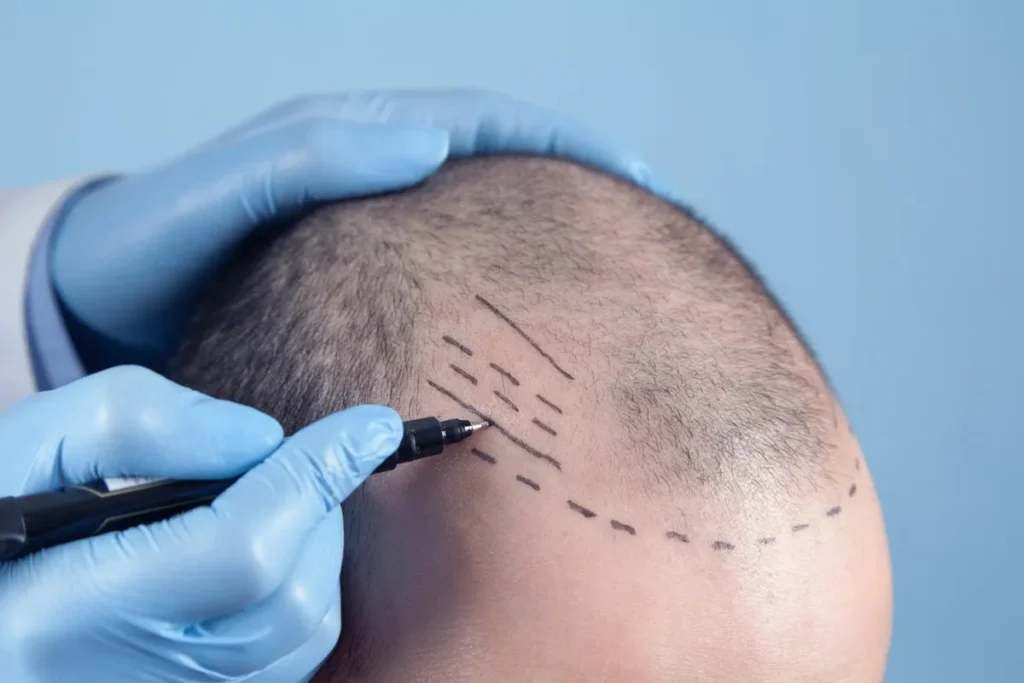
Seeing pimples or small bumps on your scalp after hair transplant surgery can worry you. But, this is a common issue that’s usually easy to handle and short-lived. Knowing what causes these pimples, understanding the healing process, and following the right treatment is key to keeping your transplant safe.
Folliculitis after a hair transplant is a common issue where hair follicles get inflamed during healing. It shows up as small red bumps or mild swelling on the scalp. It’s often temporary. GoldCity Center focuses on patient care, giving detailed post-operative advice and proven treatment plans.
Managing pimples after hair transplant surgery? Use our best fix guide to heal your scalp fast and ensure amazing, healthy hair growth.
We aim to help you feel confident and elegant as you deal with this common issue. Knowing the reasons, signs, and ways to treat it is vital for managing it well.
Key Takeaways
Post-operative folliculitis is a common condition after hair transplant surgery.
It usually appears as small red bumps or mild swelling on the scalp.
Understanding the causes and symptoms is key for effective management.
GoldCity Center offers detailed post-operative care and guidance.
Following the right treatment can protect your transplant investment.
Understanding Pimples After Hair Transplant: Causes and Timeline

It’s important to know why pimples happen after a hair transplant. This knowledge helps in managing and recovering from the procedure. Pimples or folliculitis can affect the success of the hair transplant.
What Is Post-Operative Folliculitis?
Post-operative folliculitis is inflammation of hair follicles after surgery. It can show up as ingrown hairs, red bumps, or pustules around the transplanted hair. Studies show that folliculitis after hair transplant happens in 1.1 to 20 percent of cases, showing it’s quite common.
Folliculitis often comes from bacterial infections, ingrown hairs, or sebum buildup. Keeping the area clean and following care instructions can lower the risk.
Why Pimples Develop 2-6 Weeks After Surgery
Pimples or folliculitis usually show up 2-6 weeks after surgery. This is when the skin is healing and adjusting to the new hair follicles. Early folliculitis happens in the first few weeks as the body reacts to the surgery.
Later, folliculitis can appear months after surgery. This is when the new hair pushes through the skin, sometimes causing ingrown hairs. It’s important to keep up with care even after the initial healing.
Normal vs. Infected Folliculitis: Spotting the Difference
Telling normal from infected folliculitis is key. Normal folliculitis is mild redness and small bumps. Infected folliculitis is more serious, with severe redness, swelling, and pus.
It’s important to know the signs of infected folliculitis. If you see severe symptoms, see your surgeon right away. They can help prevent further problems.
Effective Treatments for Pimples After Hair Transplant

Dealing with pimples after hair transplant surgery needs a mix of medical care and home remedies. Keeping the area clean and following aftercare tips is key. This helps avoid more irritation and speeds up healing.
Medical Solutions: Antibiotics and Prescription Treatments
When pimples or folliculitis get infected, medical help is needed. Antibiotics and prescription treatments can help. Your surgeon might give you oral or topical antibiotics to fight the infection.
“It’s important to follow your surgeon’s advice and finish the treatment,” says Medical Expert, a top hair transplant expert.
Safe Home Remedies and Gentle Cleansing Methods
Along with medical treatments, there are safe home remedies and gentle ways to clean. Using antibacterial shampoos and warm compresses can help. They reduce swelling and aid in healing.
Gently cleanse the affected area with a mild shampoo
Apply a warm compress to reduce inflammation
Avoid harsh products that can irritate the skin
What Not to Do: Avoiding Pimple Popping and Harsh Products
Don’t pop pimples after hair transplant surgery. It can make things worse. Avoid using harsh products that can irritate the skin and make things worse.
When to Contact Your Surgeon: Warning Signs
If you see any warning signs, call your surgeon right away. Look out for increased redness, swelling, or pus; fever; or feeling really sick. These could mean a serious infection that needs medical help.
Conclusion: Prevention Strategies and Long-Term Care
Preventing pimples after hair transplant surgery is key for a smooth recovery and healthy hair growth. Keeping the scalp clean can lower the chance of folliculitis and other issues like cobblestone after hair transplant.
To get a glowing look and timeless beauty, it’s vital to follow aftercare steps closely. Avoid tight headgear and use antibacterial shampoos as advised. This helps avoid folliculitis and keeps the scalp healthy.
Long-term care means keeping the scalp in good shape. Watch out for things that might cause hair transplant bumps. Use a gentle cleaning routine and know the signs of infection. This way, you can enjoy a luxury transformation and the best results from your hair transplant.
By sticking to these prevention strategies and long-term care tips, you can reveal your inner glow and confidently show off your beauty. You’ll get a vibrant scalp and healthy hair growth.
FAQ
What are pimples after hair transplant surgery?
Pimples after hair transplant surgery are small red or white bumps on the scalp. They happen when hair follicles get inflamed.
Why do pimples develop after hair transplant surgery?
Pimples can come from bacterial infections, ingrown hairs, or sebum buildup. This leads to post-operative folliculitis.
Is it normal to get pimples after hair transplant?
Yes, getting pimples or folliculitis after hair transplant surgery is common. But, if they get infected, you should see a doctor.
How can I treat pimples after hair transplant surgery?
Treatments include antibiotics and gentle cleansing. Avoid harsh products and don’t pop pimples.
Can I pop pimples after hair transplant surgery?
No, popping pimples can make things worse. It can lead to infection or scarring.
What are the warning signs that I should contact my surgeon about pimples after hair transplant?
Watch for increased redness, swelling, pus, or pain. These signs mean you might have an infection that needs a doctor’s help.
How can I prevent pimples after hair transplant surgery?
Follow your aftercare instructions and keep your scalp clean. Avoid things that might irritate your scalp to lower the risk of folliculitis.
What is folliculitis after hair transplant surgery?
Folliculitis is when hair follicles get inflamed. It’s often caused by bacteria, ingrown hairs, or sebum buildup.
Can ingrown hairs cause pimples after hair transplant?
Yes, ingrown hairs can cause inflammation. This can lead to pimples or folliculitis after hair transplant surgery.
How long do pimples last after hair transplant surgery?
Pimples after hair transplant surgery can last a few weeks. They usually go away with proper care and treatment.
Are there any long-term effects of pimples after hair transplant surgery?
Usually, pimples after hair transplant surgery don’t have lasting effects. But, ignoring them can cause scarring or make healing take longer.
References
National Center for Biotechnology Information. Evidence-Based Medical Insight. Retrieved from https://pubmed.ncbi.nlm.nih.gov/19845837/


