

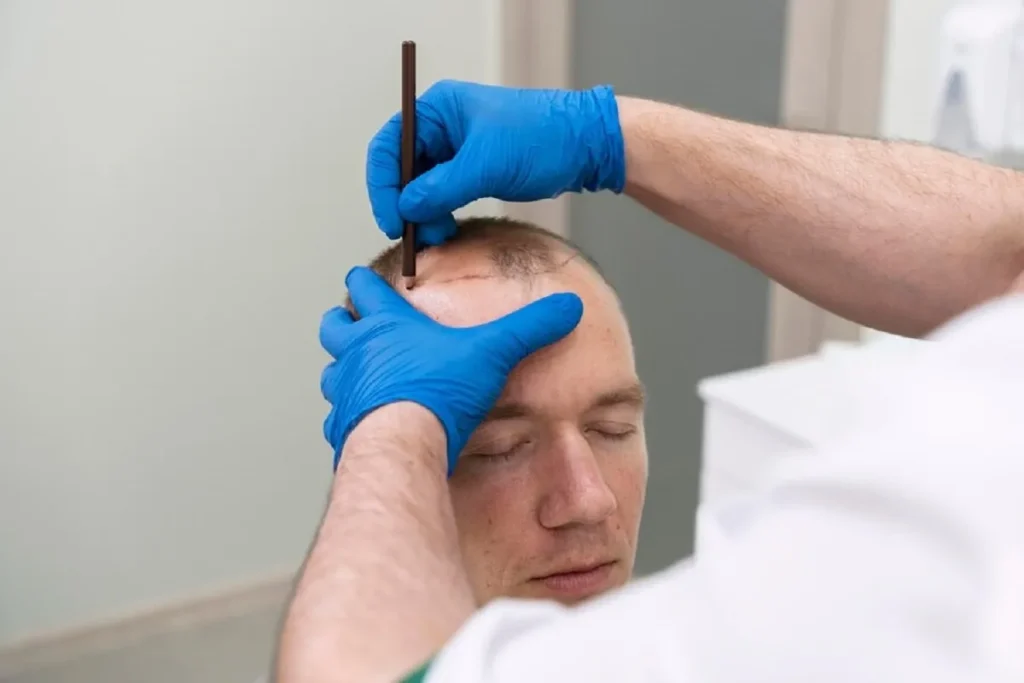
Learning how to manage and remove scabs after hair transplant surgery is key. It helps protect your investment and ensures the best results from your procedure.
Removing post hair transplant scabs safely is vital. Use our best method to ensure a fast, painless recovery and amazing new hair growth.
Many patients worry about scabs after surgery. They wonder if they’re normal or a sign of trouble. The truth is, scabs are a natural part of your scalp’s healing process.
Knowing when and how to safely remove them is important for your recovery. Gentle washing and proper care are vital. They help avoid complications and ensure a smooth healing process.
Key Takeaways
Scabs form within 24-48 hours after surgery.
Scabs typically shed between days 7-14.
Gentle washing is key for scab care.
Picking scabs can lead to complications and affect results.
Proper scab care is essential for a smooth recovery.
Understanding Post Hair Transplant Scabs

Scabs after a hair transplant are not just a byproduct of the procedure; they play a key role in healing. These scabs cover the grafts, protecting them from damage and infection during the healing stages.
What Are Hair Transplant Scabs and Why Do They Form?
Hair transplant scabs form as a natural response to the minor trauma from the transplant. They are made of blood, platelets, and other debris that clot over the graft sites. This creates a protective barrier.
This barrier is vital as it keeps the delicate grafts safe from infection and physical harm. It allows the body to start the healing process.
The Natural Timeline of Scab Formation and Shedding
Scabs start forming right after the procedure, becoming more noticeable in the first few days. They usually fall off naturally between 7 to 10 days after the transplant.
The shedding of scabs is a gradual process. It depends on the individual’s healing rate and post-operative care.
Shock Loss: What to Expect When Scabs Fall Off
Many patients worry about “shock loss,” where hair falls out with the scab. This can be scary, but it’s common.
It’s important to know that shock loss is usually temporary. The hair usually grows back. Seeing scabs fall off with hair can be worrying, but it’s part of the healing and growth process.
Understanding scab formation and shedding can help ease worries. It prepares patients for their recovery journey.
Safe Techniques for Removing Post Hair Transplant Scabs

Removing scabs after a hair transplant needs careful steps. The healing time is important, and removing scabs right is key for the best results.
Days 1-6: Proper Care Before Scab Removal
In the first days after a hair transplant, gentle care is vital. Wash your scalp with lukewarm water and mild shampoo to keep it clean without hurting the scabs.
Gently wash your scalp with lukewarm water.
Use a mild shampoo your surgeon suggests.
Avoid harsh scrubbing or rubbing.
Days 7-9: Beginning the Gentle Removal Process
When scabs start to come off, you can begin to remove them gently. Be patient and don’t force the scabs off, as this can cause problems.
Soak your scalp with lukewarm water to loosen the scabs.
Gently massage the area with your fingertips to help remove the scabs.
Rinse thoroughly with lukewarm water.
Days 10-14: Advanced Techniques for Stubborn Scabs
If scabs last longer than a week, you might need more advanced methods. Using a saline solution to soften the scabs can work well.
What to Do If Scabs Aren’t Falling Off Naturally
If scabs don’t come off on their own, talk to your surgeon. They can give you advice based on your healing.
By following these steps and being patient, you can safely remove scabs. This helps your hair transplant heal well and look great.
Conclusion
Proper care and patience are key for the best healing and results after hair transplant surgery. Knowing how to handle post hair transplant scabs is important for a smooth recovery.
It’s vital to follow your surgeon’s instructions to ensure hair transplant scabs fall off naturally. This helps avoid damaging the transplanted hair follicles. Many wonder if they should remove the scabs, but it’s usually best to let them fall off on their own.
The time it takes for how long should scabs last can vary. But, they should start falling off in 7-10 days. If they don’t, it’s important to talk to your surgeon to figure out what to do next.
Being patient and following aftercare instructions can lead to the best results from your hair transplant surgery. You can unlock your full hair growth and enjoy a natural-looking hairline.
FAQ
What are hair transplant scabs and why do they form?
Hair transplant scabs are a natural part of healing after surgery. They act as a protective barrier over the grafts. This helps prevent infection and supports the growth of new hair.
How long do scabs last after a hair transplant?
Scabs usually last 7-10 days after a hair transplant. But, this time can vary based on how fast you heal and the surgery techniques used.
Should I remove scabs after a hair transplant?
It’s best to let scabs fall off naturally. Removing them can damage the grafts or cause infection. This could lead to shock loss or lower graft survival rates.
How to remove stubborn scabs after a hair transplant?
For stubborn scabs, try gently massaging the area with a saline solution or a medicated shampoo. Your surgeon might recommend this. Be patient and gentle to avoid harm.
What if scabs aren’t falling off after 14 days?
If scabs last more than 14 days, see your surgeon. They can suggest treatments or changes to your aftercare routine to help.
Can picking scabs cause shock loss?
Yes, picking or removing scabs can cause shock loss. This is when the transplanted hair falls out due to graft trauma. It’s important to avoid picking scabs to reduce this risk.
How to care for scabs after a hair transplant?
For scab care, wash gently with a mild shampoo. Avoid direct sun and follow your surgeon’s aftercare advice. This helps in a healthy recovery.
When can I start washing my hair after a hair transplant?
You can start washing your hair a few days after surgery, as your surgeon advises. Using the right washing techniques is key to prevent infection and aid healing.
References
National Center for Biotechnology Information. Evidence-Based Medical Insight. Retrieved from https://pubmed.ncbi.nlm.nih.gov/19845837/


