

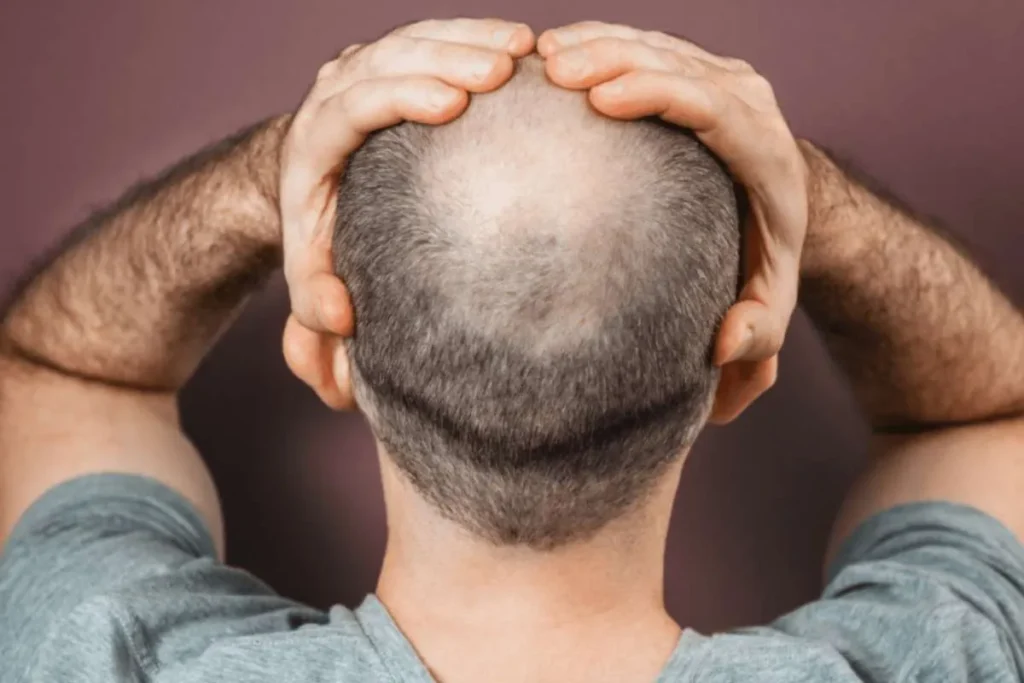
People taking prednisone often worry about hair loss. While it’s not a common side effect, studies and patient stories show a link. It’s something we should look into.
Dealing with prednisone hair loss? Discover shocking fixes and powerful ways to protect your hair while taking medication effectively.
Prednisone is used to fight inflammation and autoimmune diseases. But it can affect hair health too. Studies say it can lead to telogen effluvium, where you lose more hair than usual.
At GoldCity Center, we care about your health and how you feel. We focus on your medical needs and your quality of life, like hair loss. Our team gives you clear, backed-up advice and plans that fit you.
Key Takeaways
Prednisone may cause hair loss in some individuals.
Telogen effluvium is a common manifestation of hair loss associated with prednisone.
GoldCity Center offers personalized treatment protocols to address hair loss concerns.
Understanding the connection between prednisone and hair loss is key for managing it.
Evidence-based patient education is vital for improving your quality of life.
Understanding Prednisone and Its Effects on the Body

Prednisone is a steroid used for asthma, allergies, and autoimmune diseases. It lowers the immune system to reduce inflammation and ease symptoms.
What is Prednisone and Its Medical Uses
Prednisone is a man-made corticosteroid that acts like cortisol, a hormone from the adrenal gland. It’s used for its strong anti-inflammatory and immune-suppressing effects. This makes it good for treating many health problems, like:
Autoimmune diseases like lupus and rheumatoid arthritis
Severe allergies and allergic reactions
Asthma and other respiratory conditions
Skin conditions such as eczema and dermatitis
Prednisone reduces inflammation and weakens the immune system. This helps manage symptoms and prevent flare-ups in these conditions.
Common Side Effects of Corticosteroid Treatment
Prednisone is good for treating many conditions but can cause side effects. These are due to its effect on hormones and the immune system. Some common side effects are:
Weight gain from increased appetite and water retention
Mood changes, like anxiety, depression, or irritability
Sleep problems and insomnia
Higher risk of infections because it weakens the immune system
Hair loss or thinning, known as telogen effluvium
It’s important for patients to know about these side effects. They should talk to their doctor about any worries to manage them well.
Studies show that prednisone-induced hair loss often happens as telogen effluvium. This is a temporary hair shedding due to high cortisol levels. It’s key for patients on corticosteroids to understand how prednisone affects hair growth.
The Connection Between Prednisone Hair Loss and Hair Growth Cycles

It’s important to know how prednisone affects hair growth to avoid its side effects. Prednisone is a corticosteroid used to treat inflammation. But, it can affect hair growth cycles, causing hair thinning or shedding.
How Prednisone Disrupts Normal Hair Growth
Hair grows in cycles. Each hair follicle has a growth phase, a transitional phase, and a resting phase. Prednisone can disrupt this cycle by making more hairs rest and then shed.
This disruption is due to hormonal changes and stress from prednisone. Patients often see more shedding or hair thinning when they start treatment.
Telogen Effluvium: The Primary Mechanism
Telogen effluvium is when too many hair follicles stop growing and rest. This condition is often caused by stress, including from corticosteroids like prednisone.
About 30 percent of people on prednisone experience hair thinning or shedding. This shows how common telogen effluvium is in this group.
Prevalence and Clinical Evidence of Hair Thinning
Studies show a link between prednisone and hair loss. The risk of hair thinning is high, but it depends on the dose and how long you take it.
Knowing about this link helps manage expectations and find ways to prevent hair loss. Healthcare providers can help keep hair healthy during treatment.
Preventing and Managing Hair Loss While on Prednisone
Prednisone can cause hair loss, but there are ways to reduce this risk. Knowing these strategies can help you manage your hair health during treatment.
Nutritional Support and Supplements
Eating a balanced diet is key for healthy hair. Nutritional support is vital in preventing hair loss on prednisone. Foods like salmon, walnuts, oysters, beef, eggs, and nuts are great for hair growth.
Omega-3 fatty acids in salmon and walnuts nourish the scalp.
Zinc in oysters and beef supports hair follicles.
Biotin in eggs and nuts is essential for hair growth.
Some supplements can also help. But, always talk to your doctor before taking any new supplements.
Hair Care Practices During Treatment
Using gentle hair care practices can reduce hair loss. Mild shampoos, less heat styling, and avoiding harsh chemicals are good for your hair.
Choose a gentle, sulfate-free shampoo.
Reduce heat styling.
Be gentle when combing or brushing.
The Reversibility of Steroid-Induced Hair Loss
It’s good to know that hair loss from prednisone often goes away. When you stop or taper off the treatment, hair usually starts growing back. This knowledge can ease worries about permanent hair loss.
Prednisone for Treating Alopecia Areata: The Paradox
Prednisone is sometimes used to treat alopecia areata, a condition causing patchy hair loss. Prednisone pulse therapy can lead to hair regrowth in 30 to 47 percent of patients.
This shows how complex the relationship between corticosteroids and hair growth is. It highlights the importance of tailored treatment plans.
Does Prednisone Cause Hair Loss and How Can You Prevent It?
Are you worried that your prednisone treatment might make your hair thin or fall out? While prednisone isn’t always linked to hair loss, studies and patient stories show a connection. It’s something we should all understand.
GoldCity is committed to clear, science-backed patient education. We offer treatment plans that focus on your health and quality of life. This includes dealing with hair loss on prednisone.
Discover how this steroid, used for inflammatory and autoimmune diseases, impacts your hair. Find out what steps you can take to prevent or lessen any negative effects.
Key Takeaways
Prednisone may cause hair loss in some patients, manifesting as telogen effluvium.
Research indicates a connection between prednisone and hair loss.
Gold City provides personalized treatment protocols to address hair loss concerns.
Understanding the effects of prednisone on hair can help you take preventive measures.
Evidence-based patient education is key in addressing quality of life concerns.
Understanding Prednisone and Its Effects on the Body
Prednisone is a man-made version of cortisol, a hormone our bodies make. It’s used to treat many inflammatory and autoimmune diseases. It works by weakening the immune system, which helps reduce inflammation and ease symptoms.
What is Prednisone and Its Medical Uses
Prednisone is used for many health problems, like severe allergies and asthma. It’s good at fighting autoimmune diseases because it stops the immune system from attacking itself. This helps manage conditions that could cause a lot of pain or disability.
Medical Uses of Prednisone:
Treating inflammatory conditions such as arthritis
Managing severe allergic reactions
Controlling asthma and other respiratory issues
Addressing certain skin conditions like eczema or psoriasis
Common Side Effects of Corticosteroid Treatment
Prednisone can cause side effects because it affects the body’s hormones and immune system. Common issues include weight gain, mood swings, and high blood pressure. Some people might also lose hair or experience thinning due to high cortisol levels.
“The use of corticosteroids like prednisone can lead to significant changes in the body’s physiological state, including effects on hair growth,” a study on corticosteroid side effects says.
It’s important for patients to know about these side effects. This helps them manage their treatment better and avoid harm to their health and well-being.
What is Prednisone and Its Medical Uses
Prednisone is a versatile drug for treating many health issues. It’s effective against inflammatory and autoimmune diseases because it reduces inflammation and suppresses the immune system. It comes in tablets, liquid, and injections, making it easy to tailor treatment to each patient’s needs.
Common Side Effects of Corticosteroid Treatment
Taking corticosteroids like prednisone can lead to various side effects. These can include physical changes, mood swings, and hair loss. To manage these, doctors might adjust the dosage or use other treatments alongside prednisone.
The Connection Between Prednisone Hair Loss and Hair Growth Cycles
Prednisone can mess with hair growth patterns. It’s a corticosteroid that can upset the body’s hormonal balance. This leads to changes in how hair grows.
Disrupting Normal Hair Growth
Prednisone can push more hairs into the telogen phase. This is a resting stage before hair falls out. This can cause more hair loss, known as telogen effluvium. Hormonal changes and stress responses play a big role in this.
Telogen Effluvium: The Primary Mechanism
Telogen effluvium makes hair follicles shift suddenly into the telogen phase. This leads to a lot of hair shedding. Prednisone can cause this by changing the body’s hormonal balance. About 30 percent of patients experience hair thinning or shedding while on prednisone.
Prevalence and Clinical Evidence of Hair Thinning
Many studies show prednisone can cause hair loss. Clinical evidence supports this link. It points to hormonal changes and stress responses as key factors. Knowing about this can help manage the side effect better.
Revisiting the Impact on Hair Growth Cycles
Prednisone affects hair growth cycles in many ways. It changes hormonal balance and stress responses. Understanding this can help patients reduce this side effect. More research is needed to fully understand prednisone-induced hair loss.
Preventing and Managing Hair Loss While on Prednisone
To manage hair loss on prednisone, you need a few steps. These include eating right, taking care of your hair gently, and maybe using supplements. Knowing why prednisone causes hair loss and acting early can help a lot.
Nutritional Support and Supplements
Eating foods high in protein, iron, zinc, and vitamins is key for hair health. Foods like berries and leafy greens are good for hair growth. Omega-3 fatty acids can also help by reducing inflammation.
A balanced diet should include:
Protein-rich foods like chicken, fish, and eggs
Iron-rich foods like spinach, beans, and red meat
Zinc-rich foods like oysters, beef, and chicken
Vitamin-rich foods like citrus fruits, berries, and leafy greens
Also, talk to a healthcare professional before taking supplements. This ensures they are safe and work well.
Hair Care Practices During Treatment
During prednisone treatment, gentle hair care is important. Avoid harsh shampoos, too much heat styling, and tight hairstyles. Use gentle, sulfate-free shampoos and conditioners to keep your hair healthy.
The Reversibility of Steroid-Induced Hair Loss
Research shows that hair loss from steroids can often be reversed. Hair regrowth is possible with the right care. In some cases, hair may even return to its original state.
Prednisone for Treating Alopecia Areata: The Paradox
Prednisone is sometimes used to treat alopecia areata, a condition that causes hair loss. Prednisone pulse therapy has shown to be effective, with 30 to 47 percent of patients seeing significant hair regrowth.
Using prednisone for alopecia areata shows the complex relationship between the drug and hair growth. While it can cause hair loss, it can also be a good treatment for some hair loss conditions.
Conclusion
Prednisone is a medicine used for many inflammatory and autoimmune diseases. It works well but can cause hair loss in some people. It’s important to understand how prednisone affects hair.
To fight hair loss, you can try a few things. Eating right, being gentle with your hair, and using supplements can help. These steps can lessen the hair loss caused by prednisone.
Good news: hair loss from prednisone can often be reversed. By taking care of your hair, you can keep it healthy and looking great while you’re on treatment. Take control of your hair care to keep your hair looking its best.
FAQ
Does prednisone cause hair loss?
Yes, prednisone can cause hair loss as a side effect. It can disrupt normal hair growth cycles, leading to excessive hair shedding.
How does prednisone affect hair growth?
Prednisone can disrupt the normal hair growth cycle. This leads to a condition called telogen effluvium. It results in excessive hair shedding and thinning.
Can prednisone be used to treat hair loss conditions like alopecia areata?
Yes, prednisone can treat alopecia areata, a condition causing hair loss. Prednisone pulse therapy has been shown to promote significant hair regrowth.
How can I prevent hair loss while taking prednisone?
To prevent hair loss, eat a healthy diet rich in vitamins and minerals. Use gentle hair care products and avoid excessive heat styling. Nutritional support and supplements can also help.
Is hair loss caused by prednisone reversible?
Yes, hair loss from prednisone is often reversible. Once the medication is stopped or adjusted, hair regrowth is possible with proper care.
What are the common side effects of corticosteroid treatment like prednisone?
Common side effects include weight gain, mood changes, insomnia, and hair loss. Managing these side effects requires a holistic approach, including dietary changes and stress management.
Does steroid injections cause hair loss?
Steroid injections can cause hair loss in some cases, mainly if used excessively or improperly. The risk depends on the individual and the specific condition being treated.
Can I take supplements to prevent hair loss while on prednisone?
Yes, supplements like biotin, vitamin B, and omega-3 fatty acids can support hair health and reduce hair loss while on prednisone. Always consult with a healthcare professional before adding supplements.
How can I manage hair loss while on prednisone?
Manage hair loss by using gentle hair care products, avoiding excessive heat styling, and maintaining a healthy diet. Nutritional support and supplements can also promote hair health.
Will I go bald if I take prednisone?
Not everyone on prednisone will experience significant hair loss or go bald. Some may be more prone to hair loss due to the medication. The risk varies based on dosage and treatment duration.
References
National Center for Biotechnology Information. Evidence-Based Medical Insight. Retrieved from https://pubmed.ncbi.nlm.nih.gov/35357365/


