

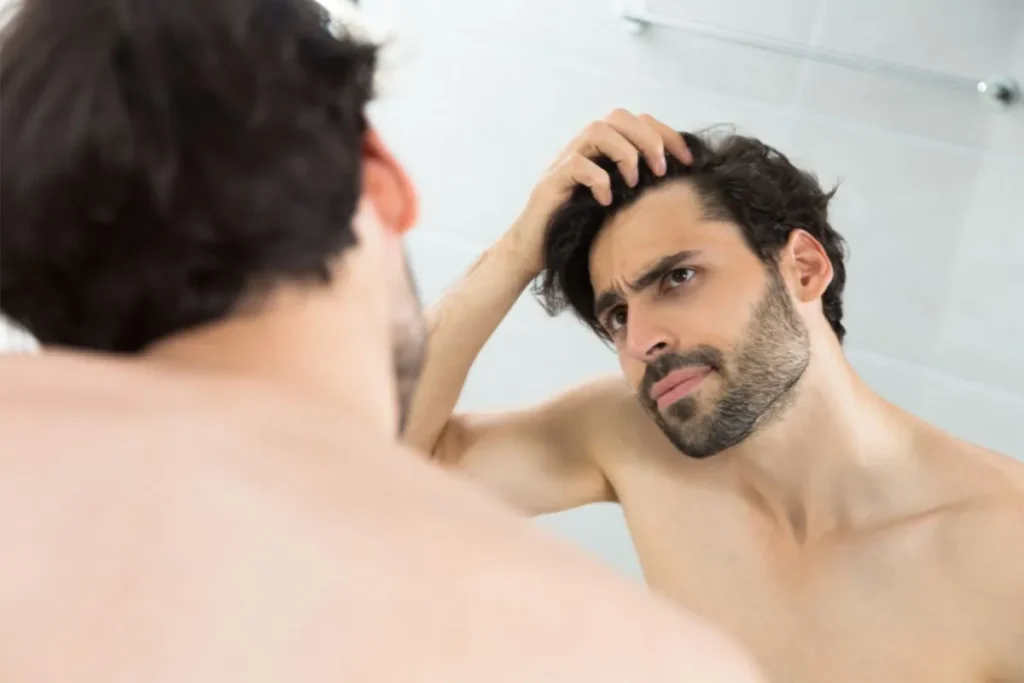
People taking prednisone for inflammation or autoimmune conditions might notice changes in hair quality or unexpected shedding. The link between prednisone and hair loss is complex. It involves hormonal changes and stress responses that affect the hair growth cycle. Knowing this is key to making smart treatment choices.
Stop prednisone thinning hair with these powerful tips. Learn amazing ways to maintain volume and keep your hair healthy during treatment.
In most cases, hair loss from prednisone is temporary. Hair usually grows back once the medication is stopped or its dose is lowered. GoldCity Center focuses on patient care that tackles both main medical issues and side effects like hair thinning.
Key Takeaways
Corticosteroids like prednisone can disrupt the hair growth cycle.
Hair loss on prednisone is often temporary and reversible.
Prednisone is used therapeutically to treat certain hair loss conditions.
Hormonal changes and stress responses contribute to hair loss.
Hair regrows once prednisone is discontinued or reduced.
Understanding Prednisone and Its Medical Uses

Prednisone is a corticosteroid used to treat many health issues. It’s like a man-made version of cortisol, which our bodies make. Knowing how it works helps patients make better choices about their treatment.
What Are Corticosteroids and Their Function
Corticosteroids are hormones that our bodies make or doctors create. Prednisone acts like cortisol, which helps control the immune system and lowers inflammation. This makes it good for treating many conditions, like autoimmune diseases and allergies.
Corticosteroids like prednisone do a lot. They fight inflammation and calm the immune system. But, they can also cause side effects. It’s important to weigh the good and bad of using prednisone.
Common Side Effects of Prednisone Treatment
Prednisone helps with many health problems but has side effects. These include weight gain, mood swings, high blood pressure, insomnia, acne, osteoporosis, and high blood sugar. Each side effect can affect people differently.
It’s key to know about these side effects to manage treatment well. Patients on prednisone need to be watched closely by their doctors to avoid bad effects.
Prednisone Thinning Hair: The Science Explained

Prednisone affects hair health by changing the normal hair growth cycle. It’s a corticosteroid used for its anti-inflammatory and immunosuppressive effects. This makes it useful for treating autoimmune diseases and severe allergies.
Disrupting the Hair Growth Cycle
Prednisone can lead to hair loss by altering the hair growth cycle. Hair grows in cycles, with most in the growth phase and a few in the resting phase. Prednisone can push more hairs into the resting phase, causing more hair shedding. This is known as telogen effluvium.
The disruption in hair growth is a big worry for those on prednisone. The sudden change in hair growth patterns can be alarming. It can cause noticeable hair thinning or loss.
Telogen Effluvium: The Primary Mechanism
Telogen effluvium is when you shed a lot of hair, often after stress or hormonal changes. With prednisone, the main issue is the hormonal imbalance caused by the corticosteroid. This imbalance can make more hair follicles stop growing and rest, leading to a lot of hair loss.
It’s important to know that while prednisone can cause hair loss, it’s also used to treat hair loss conditions like alopecia areata. Alopecia areata is an autoimmune condition that leads to patchy hair loss. Prednisone can help by reducing the immune system’s attack on hair follicles.
In summary, the science behind hair loss from prednisone is about disrupting the hair growth cycle. This leads to conditions like telogen effluvium. Understanding this is key to managing side effects and finding other treatments for hair loss.
Corticosteroids vs. Anabolic Steroids: Different Effects on Hair
It’s important to know the difference between corticosteroids and anabolic steroids. They both can cause hair loss, but in different ways. Corticosteroids and anabolic steroids affect the body differently.
Corticosteroids, like prednisone, are used to fight inflammation and suppress the immune system. They help with autoimmune diseases and severe allergies. Anabolic steroids, on the other hand, are made to build muscle. They are sometimes used wrongly for bodybuilding and to improve athletic performance.
DHT-Related Hair Loss from Anabolic Steroids
Anabolic steroids can lead to hair loss by raising dihydrotestosterone (DHT) levels. DHT causes hair follicles to shrink, leading to thinner, shorter hairs. This can result in permanent hair loss, mainly in those with male pattern baldness.
Using anabolic steroids can make hair loss worse, as they increase DHT. People with a family history of baldness should be careful. They should know about this risk.
Temporary Nature of Prednisone-Related Hair Loss
Hair loss from prednisone is usually temporary and reversible. It disrupts the hair growth cycle, causing more hairs to fall out. This is known as telogen effluvium.
It’s good to know that hair loss from prednisone is not permanent. Hair growth usually comes back once the treatment stops or the dose is lowered.
The Dual Role of Prednisone in Hair Health
Prednisone affects hair health in two ways. It can cause hair loss but also help with certain alopecia conditions. This shows how complex prednisone’s effects on hair growth and maintenance are.
Prednisone as a Treatment for Alopecia Areata
Prednisone is used to treat alopecia areata, a condition that causes patchy hair loss. Under medical guidance, it can lead to significant hair regrowth in many patients. A medical expert says, “Prednisone is a valuable treatment option for alopecia areata, giving hope to those with significant hair loss.”
Prednisone’s effectiveness in treating alopecia areata comes from its anti-inflammatory properties. These properties help reduce the autoimmune response that leads to hair loss.
Recovery Timeline After Discontinuing Prednisone
For those who lose hair due to prednisone, the good news is that hair regrowth usually happens a few months after stopping the medication. A clinical observation notes, “
” The time it takes can vary based on how long you were on prednisone and the dosage.
It’s important for patients to talk to their healthcare provider about treatment options and side effects. This helps manage hair health effectively. By understanding prednisone’s effects on hair, individuals can make better treatment choices.
Conclusion
Prednisone and hair health have a complex relationship. It can lead to hair thinning and loss, but this is usually temporary. Once you stop taking the medication, your hair should grow back.
If you’re taking prednisone, it’s important to know how it affects your hair. Talking to your doctor about any hair loss concerns is key. Prednisone can also help with hair loss conditions like alopecia areata, leading to hair regrowth for some.
Being informed and proactive can help you manage your hair health while on prednisone. This way, you can reduce the risk of hair loss and enjoy the benefits of the medication.
FAQ
Does prednisone cause hair loss?
Yes, prednisone can cause hair loss. This includes thinning and shedding. It affects the hair growth cycle, leading to telogen effluvium.
Is hair loss from prednisone permanent?
No, hair loss from prednisone is usually temporary. Hair regrowth happens a few months after stopping the medication.
How does prednisone affect the hair growth cycle?
Prednisone disrupts the hair growth cycle. It causes more hairs to enter the resting phase. This leads to significant hair shedding.
Can prednisone be used to treat hair loss conditions?
Yes, prednisone is used to treat hair loss conditions. It can lead to significant hair regrowth in many patients.
What is the difference between corticosteroids like prednisone and anabolic steroids in terms of hair loss?
Corticosteroids like prednisone cause hair loss through a different pathway. They lead to telogen effluvium, which is usually temporary. Anabolic steroids can increase DHT levels, causing permanent hair loss.
How long does it take for hair to regrow after stopping prednisone?
Hair regrowth happens a few months after stopping prednisone.
Can I prevent hair loss while taking prednisone?
You can’t completely prevent hair loss. But talking to a healthcare provider can help manage hair health during treatment.
Do steroid injections cause hair loss?
Corticosteroids like prednisone can cause hair loss, but it’s usually temporary. The effect of steroid injections on hair health varies. It’s best to consult a healthcare provider for specific concerns.
Is prednisone used to treat alopecia areata?
Yes, prednisone is used to treat alopecia areata. It’s an autoimmune condition causing patchy hair loss. It can lead to significant hair regrowth in many patients.
Do steroids make you bald?
Anabolic steroids can contribute to male pattern baldness and permanent hair loss. Corticosteroids like prednisone usually cause temporary hair loss. The effect of steroids on hair health depends on the type and individual factors.
References
National Center for Biotechnology Information. Evidence-Based Medical Insight. Retrieved from https://pubmed.ncbi.nlm.nih.gov/35357365/


