
About 50% of women worldwide face hair thinning. This is often because of not getting enough nutrients. Studies show that not having enough nutrients can lead to telogen effluvium. This is when you shed a lot of hair.
At GoldCity Center, we know that treating hair loss starts with finding the right cause. We teach patients how important nutrition is for healthy hair. By changing their diet and adding special nutrients, women can make their hair strong again. This improves their life quality too.
Protein hair loss in females is reversible. Use this fast fix guide to find powerful dietary secrets for amazing, thick, and healthy hair.
Key Takeaways
A balanced diet rich in essential nutrients is key for healthy hair growth.
Nutritional deficiencies can cause hair thinning and loss.
Adding specific nutrients can help make hair healthy again.
A good diet can make hair healthier and reduce shedding.
Special nutrition plans can help women feel better about themselves.
Understanding Protein Hair Loss in Females

The connection between protein and hair health is complex. Nutritional deficiencies play a big role in hair loss in women. Many females worldwide face hair loss due to not getting enough nutrients.
The Prevalence of Nutritional Hair Loss
Nutritional hair loss is common and often caused by not eating enough. Malnutrition and hair loss are closely related. Lack of protein, iron, and zinc can make hair thin and fall out.
Many women with hair loss have nutritional deficiencies. It’s important to eat well to keep hair healthy.
How Protein Deficiency Triggers Hair Shedding
Protein is key for hair health. Without enough, the body uses it for other important things, not hair growth. This leads to telogen effluvium, where a lot of hair falls out.
Protein is vital for making keratin, a protein in hair. Without enough, hair grows slower and falls out more.
Telogen Effluvium: The Science Behind Protein-Related Hair Loss
Telogen effluvium makes many hair follicles stop growing and rest. Protein deficiency can cause this, breaking the hair growth cycle.
Knowing about telogen effluvium helps fight protein-related hair loss. Women can prevent or lessen hair loss by changing their diet.
Key Nutritional Deficiencies That Worsen Hair Loss

Fixing hair loss starts with finding and fixing nutritional gaps. Hair health ties closely to our diet. Not getting enough of certain nutrients can make hair loss worse.
Iron Deficiency and Serum Ferritin Levels
Iron is key for hair health, more so for women. Low serum ferritin levels link to hair falling out. Getting enough iron can help stop hair loss.
Eat iron-rich foods like red meat, spinach, and cereals. Also, add vitamin C foods to boost iron absorption.
Protein-Energy Malnutrition Effects on Hair
Protein-energy malnutrition (PEM) badly affects hair, causing telogen effluvium. This is when hair falls out too much. PEM happens when we don’t get enough protein and calories.
Not enough protein messes up hair growth.
Not enough calories means hair growth gets less priority.
It’s key to eat enough protein and calories for healthy hair.
Micronutrient Imbalances That Damage Hair Follicles
Not getting the right vitamins and minerals hurts hair follicles. Zinc and biotin are important for hair health.
Eating a balanced diet with whole foods helps avoid nutrient gaps. Sometimes, supplements are needed, but only with a doctor’s advice.
7 Best Dietary Fixes for Protein Hair Loss in Females
Transform your tresses with these top dietary fixes for protein hair loss, tailored for women. A well-balanced diet rich in essential nutrients is key for healthy hair. Protein is vital for hair growth, and not enough can cause hair shedding.
Lean Animal Proteins for Essential Amino Acids
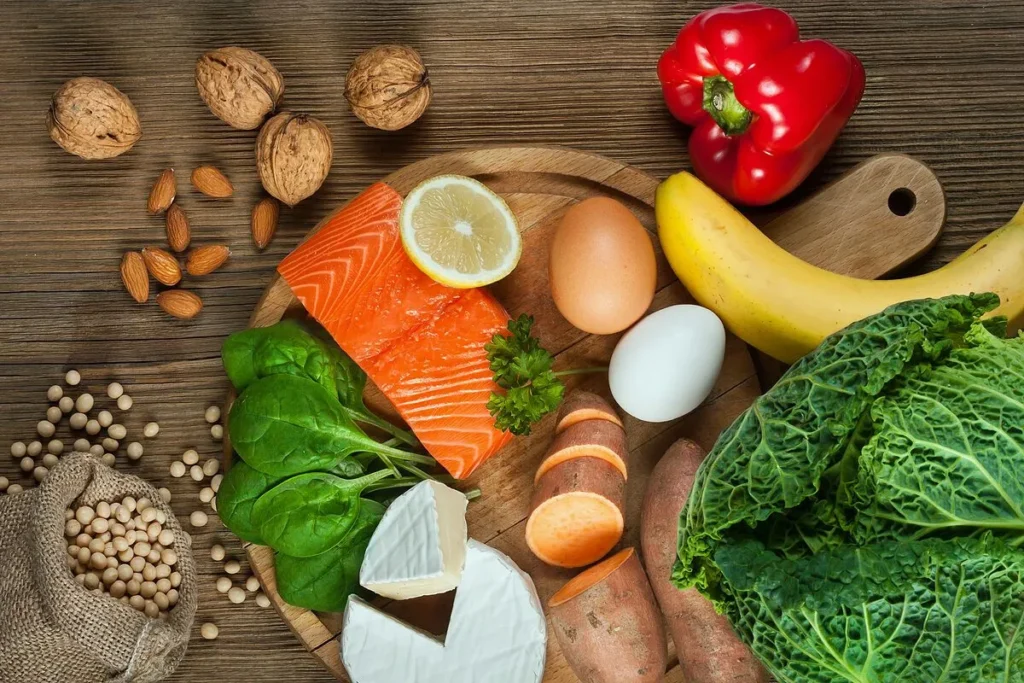
Eating lean animal proteins is great for hair growth. Foods like chicken, turkey, and fish are full of essential amino acids. These acids help strengthen hair follicles.
Chicken breast: rich in protein and low in fat
Salmon: high in omega-3 fatty acids and protein
Turkey: excellent source of protein and zinc
Plant-Based Protein Combinations for Vegetarians
Vegetarians can get all essential amino acids by mixing different plant-based proteins. Legumes, beans, and lentils with whole grains like brown rice and quinoa make a complete protein.
Lentil soup with whole grain bread
Chickpea salad with quinoa
Black bean tacos with brown rice
Iron-Rich Foods to Boost Ferritin Levels
Iron deficiency is a common cause of hair loss in women. Eating iron-rich foods like red meat, spinach, and fortified cereals boosts ferritin levels. This promotes hair growth.
Red meat: rich in iron and protein
Spinach: high in iron and antioxidants
Fortified cereals: convenient source of iron
Omega-3 Fatty Acids for Scalp Health
Omega-3 fatty acids are vital for a healthy scalp. Foods like salmon, walnuts, and chia seeds nourish the scalp. They help promote hair growth.
Salmon: rich in omega-3 fatty acids
Walnuts: excellent source of omega-3s and antioxidants
Chia seeds: rich in omega-3s and fiber
By adding these dietary fixes to your daily routine, you can fight protein hair loss. You’ll get healthier, more vibrant hair.
Conclusion: Implementing a Hair-Healthy Diet Plan
A healthy diet for hair loss is real and achievable. By choosing the right foods, you can start a journey to healthier hair. Understanding the connection between diet and hair loss is the first step.
Malnourished hair loss can be a big problem. But, eating a balanced diet with key nutrients can help. Adding lean proteins, iron, and omega-3s to your meals can make a big difference.
Adopting a hair-healthy diet plan can help you shine from the inside out. It’s time to improve your routine and start your glow-up journey. A diet that nourishes your hair is the key.
FAQ
What is protein hair loss, and how does it affect females?
Protein hair loss happens when the body doesn’t get enough protein for hair growth. This leads to a lot of shedding and thinning. Women are more likely to experience this due to hormonal changes, diet, and other factors.
How does protein deficiency trigger hair shedding?
Without enough protein, the body focuses on vital organs over hair. This makes hair follicles stop growing, causing a lot of shedding.
What is telogen effluvium, and how is it related to protein hair loss?
Telogen effluvium is when stress, lack of nutrients, or hormonal changes make hair stop growing. This leads to a lot of hair falling out. Protein deficiency is a big reason for this.
Can iron deficiency worsen hair loss?
Yes, iron deficiency can make hair loss worse. It lowers serum ferritin levels, which are key for hair growth. Eating iron-rich foods can help.
What are some effective dietary fixes for protein hair loss?
Eating lean proteins, iron-rich foods, omega-3 fatty acids, and other nutrients can help hair grow. This reduces shedding too.
Are there any specific foods that can help boost hair growth?
Yes, foods like lean meats, fish, eggs, and legumes are good for hair. So are iron-rich foods like spinach and beans. Omega-3s in salmon and walnuts also help scalp health.
Can a vegetarian diet provide enough protein for healthy hair growth?
Yes, a vegetarian diet with plant-based proteins like legumes and tofu can give enough protein for hair growth.
How long does it take to see results from a hair-healthy diet plan?
You might see hair growth and less shedding in a few months with a balanced diet. But results can vary based on nutritional needs and health.
Can malnutrition cause hair loss?
Yes, malnutrition can cause hair loss because it lacks nutrients for hair growth. Getting enough nutrients is key for healthy hair.
References
National Center for Biotechnology Information. Evidence-Based Medical Insight. Retrieved from https://pmc.ncbi.nlm.nih.gov/articles/PMC5315033/


