

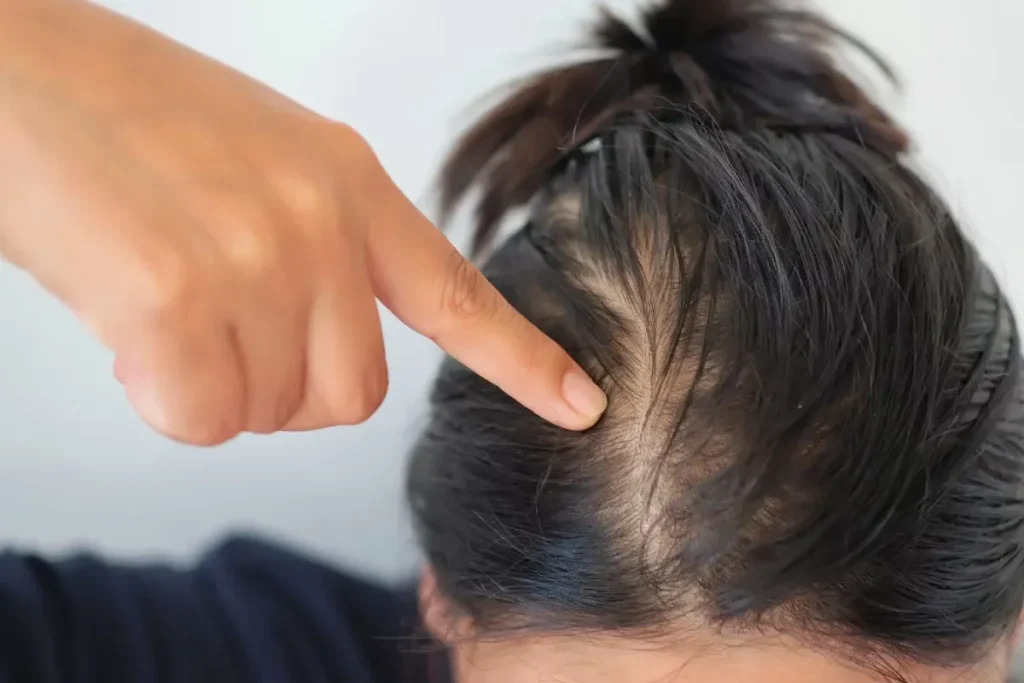
Discovering your hairline is receding at a young age can be unsettling, but you’re not alone. Research shows that about one in four men notice the first signs of hair loss before age 21.
Experiencing a receding hairline during your teenage years can be overwhelming. It affects your confidence and self-image. At GoldCity Center, we understand the emotional impact. We offer world-class, patient-centered dermatological care to address your specific hair loss concerns.
Our expert team uses evidence-based protocols and innovative solutions. We are dedicated to helping you regain your confidence. We aim to help you achieve a radiant appearance.
A receding hairline at 18 is tough, but this powerful fix will help. Discover amazing ways to stop early loss and keep your hair forever.
Key Takeaways
Approximately 25% of men experience hair loss before age 21.
A receding hairline can significantly impact self-confidence.
GoldCity Center offers expert dermatological care for hair loss.
Evidence-based protocols are used to address hair loss concerns.
Innovative solutions help achieve a radiant appearance.
Mature vs. Receding Hairline at 18

It’s important to know the difference between a mature and receding hairline, even at a young age. A mature hairline is just part of growing up. But, a receding hairline might mean you’re losing hair too soon.
What a Mature Hairline Looks Like
A mature hairline at 18 usually settles by the mid-to-late twenties. It looks stable and symmetrical, with a slight curve at the temples. This doesn’t mean you’re going bald.
Here’s what makes a mature hairline:
A stable hairline with little recession
Symmetry around the face
No big thinning or hair loss
Signs of Male Pattern Baldness
Male pattern baldness, or androgenetic alopecia, often starts with a receding hairline. Signs include thinning hair above the temples, forming an “M” or “V” shape, and a zigzag pattern along the hairline. Unlike a mature hairline, male pattern baldness shows clear hair loss.
The signs are:
Thinning hair around the temples
An “M” or “V” shaped hairline
A zigzag or irregular hairline
It’s key for young men to understand these differences. A mature hairline is normal, but a receding hairline might need attention to stop more hair loss.
Causes of a Receding Hairline at 18

A receding hairline at 18 often comes from androgenetic alopecia. This is due to genetics and hormonal sensitivity. It’s the main reason for hair loss in young men.
Genetics and Hereditary Factors
Genetics are key in a receding hairline. If your dad or granddad lost their hair early, you might too. Hereditary factors can also affect when and how much hair you lose.
Knowing your family’s health history helps understand your risks. You can’t change your genes, but knowing them helps you take action sooner.
Secondary Causes
Other things can also cause a receding hairline at 18. Hormonal changes can slow down hair growth. Stress, both physical and emotional, can make hair fall out.
Nutritional deficiencies: Not getting enough iron, zinc, and vitamins can harm your hair.
Medical conditions: Issues like thyroid problems or autoimmune diseases can cause hair loss.
Styling habits: Using too much heat or tight hairstyles can damage your hair and make it recede.
To fight these causes, you need to make some changes. Eat better, manage stress, and be gentler with your hair.
Effective Treatment Options for Early Hair Loss
Early hair loss can be upsetting, but there are many effective treatments. With the right treatment and lifestyle changes, hair growth can improve a lot.
Clinically Proven Medications
Minoxidil and finasteride are two common medications for hair loss. Minoxidil is applied to the scalp to stimulate hair growth. Finasteride is taken orally to lower dihydrotestosterone (DHT), a hormone that causes hair loss.
These medications have been clinically proven to help hair grow and stop further loss. Always talk to a healthcare professional before starting any medication. They can help you understand any side effects and find the best treatment.
Natural and Lifestyle Approaches
There are also natural and lifestyle ways to manage hair loss. Eating foods rich in biotin, vitamin D, and iron can help. These nutrients are good for hair health.
Managing stress is also key, as stress can lead to hair loss. Activities like meditation, yoga, and regular exercise can help reduce stress. They promote overall well-being.
PRP therapy is another treatment that involves injecting platelet-rich plasma (PRP) into the scalp. It’s known for its ability to stimulate hair growth and increase hair density.
By using these treatments and making healthy lifestyle choices, you can actively manage early hair loss. This approach promotes hair health.
Conclusion
Understanding why hair recedes at 18 is key to managing it. Knowing the causes helps find treatments to slow or stop hair loss.
Early action and care are vital in fighting hair loss. Seeing a dermatologist is a first step. They can find the cause and suggest the best treatment. This way, you can feel confident and look radiant.
Fixing a receding hairline requires both medical treatments and natural methods. By being proactive and getting expert advice, you can shine from within. Start your journey to beauty and watch your routine transform into a luxury experience.
FAQ
What is a normal hairline for a male?
A normal male hairline is a gentle, symmetrical curve. It sits just above the forehead. Hairlines can vary, like being high or round, but should be even and not too thin.
How can I tell if my hairline is receding or just maturing?
A maturing hairline might slightly recede but doesn’t cause much thinning. A receding hairline, though, shows more hair loss, mainly around the temples. It’s a sign of male pattern baldness.
Can stress cause a receding hairline at 18?
Stress doesn’t directly cause a receding hairline. But, it can lead to hair loss by raising cortisol levels. Reducing stress and living healthily can help.
Are there any effective treatments for a receding hairline at 18?
Yes, treatments like minoxidil and finasteride can slow or stop hair loss. Changing your diet, managing stress, and using gentle hair care can also help.
Can a jagged hairline be a sign of a receding hairline?
A jagged hairline might just be a normal shape. But, if it’s thinning or losing a lot of hair, it could be receding. A dermatologist can help figure out why.
How does genetics play a role in a receding hairline at 18?
Genetics play a big part in male pattern baldness. If your family loses hair early, you might too. Knowing your genetic risk can help you act early.
What lifestyle changes can help prevent or slow down a receding hairline?
Eating well, reducing stress, and gentle hair care promote hair growth. Avoid harsh styling and use gentle products to help your hair stay healthy.
Is a black receding hairline more noticeable than other hair types?
The visibility of a receding hairline depends on hair texture and color. A black receding hairline might stand out more. But, focus on hair health, not just color.
Can a long hair style hide a receding hairline?
Long hair can sometimes hide a receding hairline. But, it’s not a lasting fix. A stylist can help find a style that hides hair loss well.
References
Adil, A., & Godwin, M. (2017). The effectiveness of treatments for androgenetic alopecia: A systematic review and meta-analysis. Journal of the American Academy of Dermatology, 77(3), 491–501. https://pubmed.ncbi.nlm.nih.gov/28396101/


