

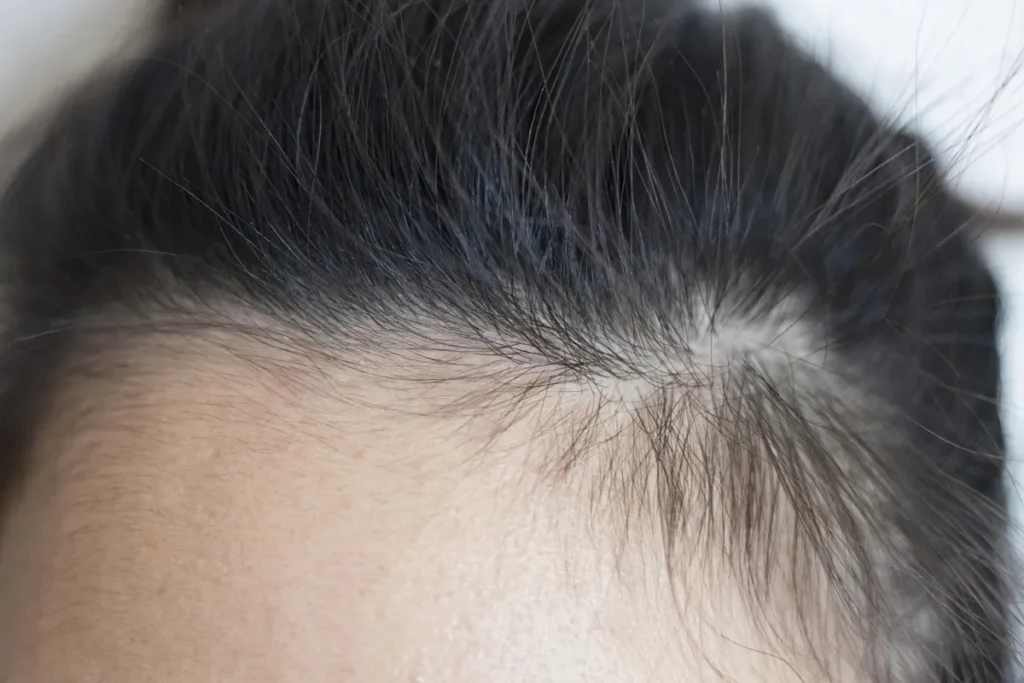
Millions of men worldwide face male pattern baldness. This condition affects not just their looks but also their self-esteem and confidence. The good news is that there are now proven treatments and new solutions to stop a receding hairline and promote hair regrowth.
Thanks to trusted medical advice and care focused on the patient, treatments like minoxidil and finasteride work well. These are FDA-approved for hair loss and can help restore a natural-looking hairline. Knowing the causes of hair loss and the treatments available can help people take charge of their hair regrowth journey.
Regrow hairline issues with these incredible success secrets. Learn powerful, proven methods to restore your edges and look amazing again fast.
Key Takeaways
Proven treatments exist to help stop a receding hairline
Minoxidil and finasteride are FDA-approved for hair loss
Patient-centered care is key for effective hair regrowth
Understanding hair loss causes is vital for treatment
Restoring a natural-looking hairline is possible with the right treatment
Understanding Hair Loss and Receding Hairlines

It’s important to know why hair loss happens to fix receding hairlines. About 85% of men will lose some hair in their lives. Androgenetic alopecia is the main reason for hairline receding and thinning.
Hair loss can really upset you, affecting how you look and feel. Knowing the science behind it helps find good solutions.
The Science Behind Male Pattern Baldness
Male pattern baldness, or androgenetic alopecia, shows up as a specific hair loss pattern. It starts with a receding hairline. Genetics and hormones play big roles in this.
It starts when testosterone turns into dihydrotestosterone (DHT). DHT binds to receptors in hair follicles. This makes follicles shrink, leading to thinner, shorter hairs and stopping hair growth.
Why Hairlines Recede: DHT and Follicle Sensitivity
Hair follicles’ sensitivity to DHT is key in male pattern baldness. Follicles on the scalp can be more or less sensitive to DHT. This decides the hair loss pattern and how much hair you lose.
Knowing how DHT affects hair loss is key for treatments. By fighting DHT and its effects, you can slow down or stop hairline recession.
By knowing these factors and their role in hairline recession, you can choose the right treatment.
Proven Treatments to Regrow Hairline

Effective hairline restoration is within reach, thanks to clinically proven treatments. To regrow a receding hairline, you need to know your options. Then, pick the best one for you.
FDA-Approved Pharmaceutical Solutions
The most reliable treatments for regrowing a hairline are FDA-approved pharmaceutical solutions. Finasteride and minoxidil are top choices. Finasteride can lead to about 65% hair regrowth rates after five years.
Finasteride stops the production of dihydrotestosterone (DHT), a hormone that causes hair loss. By lowering DHT, it slows hair loss and boosts regrowth. Minoxidil, applied topically, stimulates hair growth and strengthens follicles.
Additional Options for Hairline Restoration
Other treatments for hairline restoration include hair supplements, low-level laser therapy (LLLT), and platelet-rich plasma (PRP) therapy. Supplements nourish hair follicles for growth. LLLT uses lasers to stimulate hair growth.
When picking a treatment, think about your needs and hair loss causes. A healthcare professional or dermatologist can guide you. With the right treatment, you can regrow your receding hairline and get a fuller, healthier head of hair.
Conclusion: Taking Action Against Hairline Thinning
Regrowing your hairline is a journey that needs patience, dedication, and the right guidance. Understanding hair loss causes and exploring proven treatments is the first step. This helps restore your hairline and confidence.
To stop a receding hairline, seeing a doctor first is key. They can guide you on the best treatment for your condition. This could be for a balding or thinning hairline.
With the right treatment, you can grow your hairline back. Taking proactive steps and getting professional advice is important. This unlocks the secrets to a fuller, healthier hairline. Start your journey to a more confident you.
Embracing your natural beauty and controlling hair loss can be life-changing. Choosing the right treatments and living a healthy lifestyle is essential. This way, you can enjoy a radiant, youthful look that shows your inner glow.
FAQ
What causes a receding hairline?
A receding hairline often comes from male pattern baldness. This is when hair follicles become sensitive to DHT. This sensitivity leads to hair thinning and loss.
How can I stop my hairline from receding?
To stop your hairline from receding, try FDA-approved treatments. Finasteride and minoxidil can slow hair loss and help hair grow back.
What are the best treatments for regrowing a receding hairline?
For a receding hairline, proven treatments include finasteride, minoxidil, low-level laser therapy, and hair supplements. A professional can help pick the best treatment for you.
Can I regrow my hairline naturally?
There’s no surefire natural way to regrow a hairline. But, some supplements and lifestyle changes might help. Always talk to a professional for advice.
How long does it take to regrow a receding hairline?
The time to regrow a receding hairline varies. It depends on the treatment and your body. With regular treatment, you might see results in months to a year or more.
Are there any side effects to hair regrowth treatments?
Some treatments, like finasteride, might have side effects. Always talk to a healthcare professional. They can help weigh the risks and benefits of each treatment.
Can I prevent a receding hairline?
Preventing a receding hairline is hard, but early treatment can help. Finasteride and minoxidil can slow hair loss and maybe even help hair grow back.
How do I choose the best treatment for my receding hairline?
To find the best treatment, see a healthcare professional or dermatologist. They can figure out why you’re losing hair. Then, they can suggest the best treatment for you.
References
National Center for Biotechnology Information. Evidence-Based Medical Insight. Retrieved from https://pubmed.ncbi.nlm.nih.gov/12005576/


