

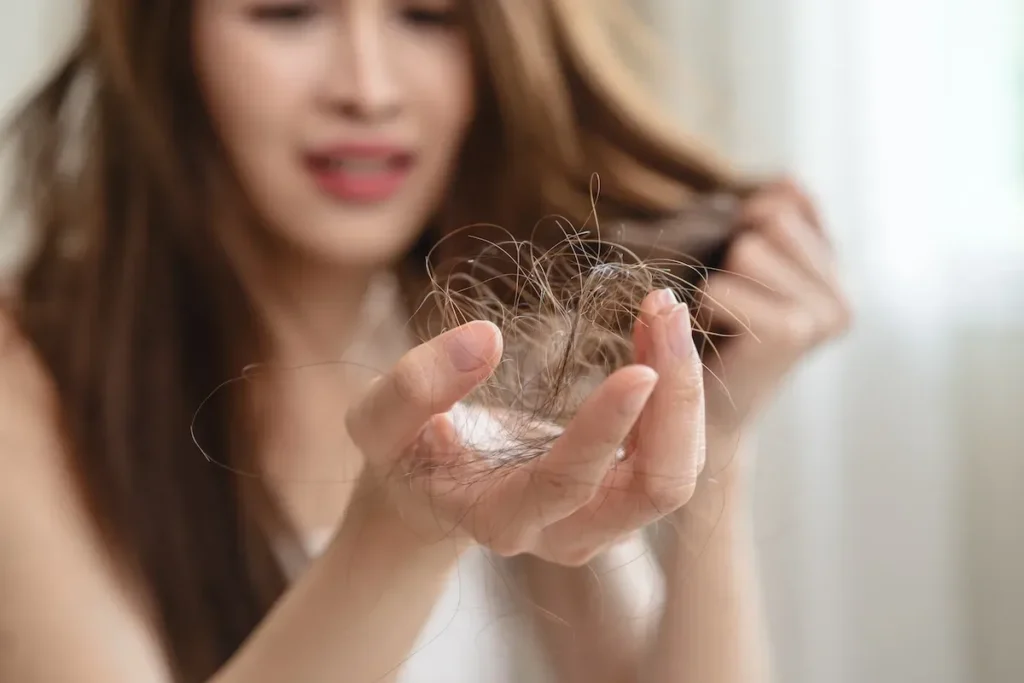
Reclaiming a full head of hair is no longer a distant dream. Hair loss affects millions worldwide, impacting self-confidence and overall well-being. Recent breakthroughs in hair growth research have brought new hope to those affected.
Leading institutions like UCLA, University of Virginia, and Taiwan University are pioneering cutting-edge treatments that target the root causes of hair thinning. By harnessing the power of stem cell biology and AI-designed therapeutics, these innovative approaches aim to regrow hair follicles and restore a natural, healthy head of hair.
The quest for effective treatments has led to significant advancements in reversing hair loss. With multiple approaches now emerging, the conversation is shifting from acceptance to restoration.
Reverse hair loss today with these incredible new methods. Use our powerful guide to stop thinning and achieve amazing regrowth naturally.
Key Takeaways
Groundbreaking research in 2025 is changing the conversation around hair loss.
Leading institutions are developing revolutionary methods to reverse baldness.
Stem cell biology and AI-designed therapeutics are at the forefront of hair loss treatment.
New approaches aim to reactivate dormant hair follicles and promote regrowth.
The focus is shifting from acceptance to restoration of a natural, healthy head of hair.
Understanding Hair Loss: Causes and Impact

Hair loss, or alopecia, is more than a cosmetic issue. It can deeply affect a person’s life. It involves genetics, hormones, and the environment. Knowing about hair loss helps find better treatments.
Common Types of Hair Loss
Hair loss comes in different forms, each with its own causes. Androgenetic alopecia, or male/female pattern baldness, is common. It’s linked to genetics and hormones.
Alopecia areata is an autoimmune condition causing patchy hair loss. Telogen effluvium leads to a lot of hair falling out due to stress or hormonal changes. Knowing these types helps find the right treatment.
Prevalence and Psychological Impact
Hair loss affects millions globally, causing big emotional problems. It can hurt self-esteem and overall happiness. People with hair loss often feel anxious and depressed.
The need to look young adds to these feelings. It’s key to see hair loss as a physical and mental issue.
The Biology of Hair Follicles and Growth Cycles
Hair grows in cycles. Each follicle has a growth, transitional, and resting phase. Knowing about hair follicles is vital for treating hair loss.
New hair loss research aims to grow new hair follicles. It explores how to make hair grow healthily. This research could help reverse balding and see if hair thinning is reversible.
Breakthrough Research to Reverse Hair Loss in 2025

In 2025, scientists have made big steps in fighting hair loss. They are using stem cells and new molecules to help. This research is changing how we think about growing hair back.
Stem Cell Reactivation Studies at UVA
At the University of Virginia, researchers are working hard. They want to wake up hair follicles that are sleeping. This could help people grow hair again.
Taiwan University’s Fatty Acid Research
A team in Taiwan found something important about hair. They learned that fatty acids can make hair grow more. This could lead to new treatments for hair loss.
UCLA’s PP405 Molecule Discovery
At UCLA, scientists found a special molecule called PP405. It helps hair grow by making stem cells work better. This is a big win in the fight against hair loss.
AI-Designed Treatments: Absci’s ABS-201 Injectable
Absci made a new treatment called ABS-201. It was designed with AI to fight hair loss. This treatment could change how we treat hair loss forever.
These new discoveries are exciting for people with hair loss. Scientists are always finding new ways to help. Soon, there will be better treatments to grow hair back.
Proven Methods to Reverse Hair Loss Today
There are many ways to stop hair loss that people can try today. These include medical treatments and changes in lifestyle. They offer choices for those losing their hair.
FDA-Approved Medications
FDA-approved medications are common treatments for hair loss. Minoxidil and Finasteride are well-known. Minoxidil is applied to the scalp to stimulate hair growth. Finasteride is taken by mouth to block a hormone that causes hair loss.
Clinical trials show these drugs can help hair grow and stop loss. Always talk to a doctor before starting any treatment. They can help with side effects and find the best treatment.
Advanced Hair Restoration Procedures
For more advanced solutions, hair restoration procedures are popular. Platelet-rich plasma (PRP) therapy is one. It involves injecting PRP from the patient’s blood into the scalp. PRP has growth factors that help hair grow.
Other prcedures include hair transplantation and low-level laser therapy (LLLT). Hair transplantation moves healthy follicles to bald spots. LLLT uses lasers to stimulate hair growth.
Lifestyle and Nutritional Approaches
Changing your lifestyle and diet can also help hair health. Eating foods rich in vitamins and minerals is key. Biotin, vitamin D, and iron are good for hair growth.
Reducing stress and avoiding heat styling can also help. These actions promote a healthier scalp and hair growth.
By using these methods together, you can fight hair loss and improve your hair’s health and look.
Conclusion: When Will We Cure Baldness?
Research is moving fast, making a hair cure seem closer. Scientists are diving into stem cell research, finding new molecules, and using AI for treatments. This makes the future of hair loss treatment look very promising.
Recent studies, like those at UVA and UCLA, are leading to new ways to stop hair loss. These breakthroughs are exciting steps towards finding solutions.
The outlook for reversing hair loss is good. Research and new technologies are on the rise. By learning more about hair growth, scientists can create better treatments.
Now, we have FDA-approved drugs, advanced hair restoration, and lifestyle changes to fight hair loss. These options are getting better, bringing us closer to a cure for baldness.
FAQs
What are the main causes of hair loss?
Hair loss comes from genetics, hormones, and the environment. Knowing these causes helps us find the right solutions.
Are there any proven methods to reverse hair loss?
Yes, proven methods include FDA-approved drugs like minoxidil and finasteride. Also, treatments like platelet-rich plasma (PRP) therapy and healthy lifestyle choices can help.
What are the latest breakthroughs in hair loss research?
New discoveries include stem cell studies at UVA and fatty acid research in Taiwan. UCLA found a molecule called PP405. AI treatments like Absci’s ABS-201 injectable are also being explored.
How does stem cell reactivation help in reversing hair loss?
Stem cell reactivation wakes up dormant hair follicles, leading to new hair growth. UVA’s research shows promise for new treatments.
Can lifestyle changes help in reversing hair loss?
Yes, a healthy diet, less stress, and good hair care can help. These choices support hair health and may reverse loss.
When can we expect a cure for baldness?
Finding a cure for baldness is hard to predict. But, ongoing research in stem cells, molecule discoveries, and AI treatments is bringing us closer.
Are AI-designed treatments for hair loss available now?
AI treatments, like Absci’s ABS-201 injectable, are in research. They’re not yet widely available but show great promise.
How effective are FDA-approved medications for hair loss?
FDA-approved drugs like minoxidil and finasteride work well for many. They help grow hair and stop further loss.
What is platelet-rich plasma (PRP) therapy, and how does it help?
PRP therapy uses the patient’s own blood to stimulate hair growth. It’s injected into the scalp to improve hair density.
Is hair cloning a viable treatment for hair loss?
Hair cloning, or replicating hair follicles, is being researched. It’s not yet available but could be a future solution.
References
National Center for Biotechnology Information. Evidence-Based Medical Insight. Retrieved from https://pmc.ncbi.nlm.nih.gov/articles/PMC7508456/


