

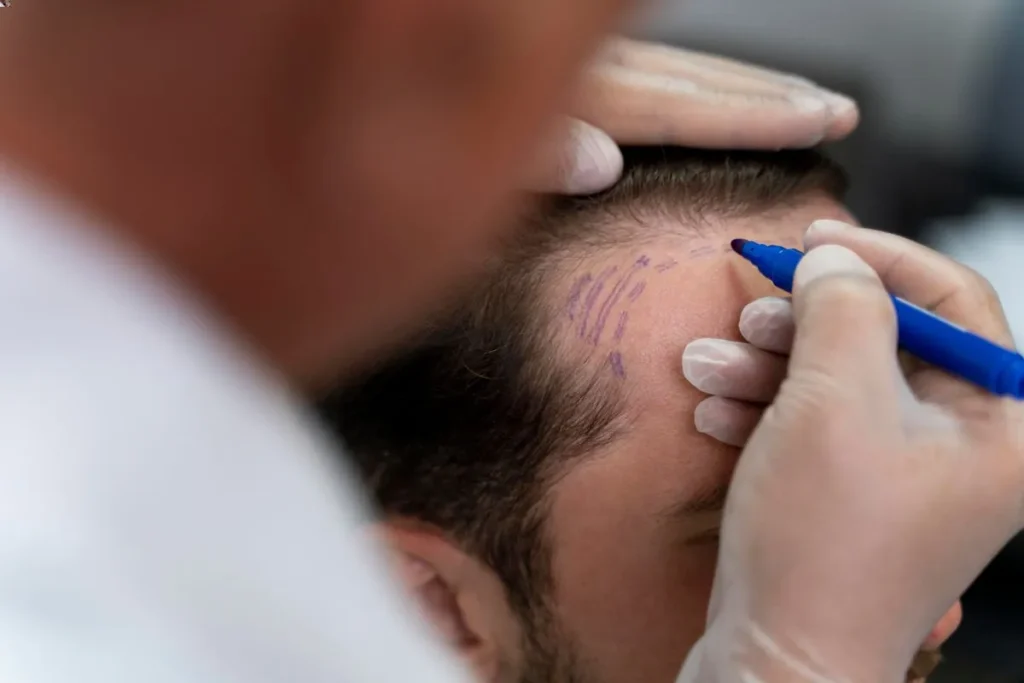
Thinking about a hair restoration journey is a big step. Timing is key for the best results. At GoldCity Center, we know the perfect time for a hair transplant varies. It depends on your situation and when your hair loss stops.
Our experts don’t just look at age. They focus on hair loss stabilization for natural-looking results. Usually, people between 30 and 45 have more stable hair loss. This makes it the best time for a successful transplant.
Is it the right age for hair transplant surgery? Get expert tips and the amazing truth about the best time to restore your hair permanently.
Key Takeaways
The optimal time for a hair transplant is not defined by a single age, but by individual hair loss patterns.
Hair loss stabilization is critical to prevent uneven results.
Consulting a qualified specialist is essential to determine the best time for a hair transplant.
Typically, individuals between 30 and 45 years old experience more stable hair loss patterns.
A thorough evaluation is needed to find the ideal time for a hair transplant.
Understanding Hair Loss Patterns and Timing
Hair loss patterns and timing are key to the success of hair restoration. To get the best results from a hair transplant, it’s important to know the causes and how hair loss progresses.
The Science Behind Male Pattern Baldness
Male pattern baldness, or androgenetic alopecia, is common in men. It causes hair to thin gradually, mainly on the top and front of the scalp. This happens because of a hormone called dihydrotestosterone (DHT), which shrinks hair follicles. Knowing this helps figure out the best time for a hair transplant.
Genetics, hormonal balance, and age all play a role in male pattern baldness. The start and speed of hair loss can differ a lot between people. Spotting early signs and taking steps to prevent hair loss can help slow it down.
Why Hair Loss Stabilization Is Critical for Success
Stabilizing hair loss is key for a successful hair transplant. Without it, hair loss can keep going, leading to uneven or patchy results. Waiting until after 25 helps hair follicles settle, making the transplant look more natural.
Using finasteride or minoxidil can stop hair loss before surgery, making the transplant more effective. Talking to a hair restoration specialist can help find the right plan for you.
The Right Age for Hair Transplant: Medical Consensus

Finding the best age for a hair transplant is key for good results. Doctors have looked into this a lot. They agree on an age that’s both legal and wise.
Legal Minimum vs. Doctor Recommendations
The law says you must be 18 to get a hair transplant. But doctors often suggest waiting until you’re 25. They think hair loss patterns change until then. Starting too early might not give the best results.
Why Waiting Matters
Waiting until hair loss stops changing helps doctors plan better. They can make a hairline that looks natural. This makes the transplant more successful.
Statistical Trends: Why Most Patients Are 30-49
Studies show 60 percent of men getting hair transplants are 30 to 49 years old. The best time for a transplant is between 30 and 40. Most people in this age group get transplants.
Most people getting hair transplants are 30 to 49 years old. This age is best because hair loss stops changing. It also leads to the most natural-looking results.
Knowing these trends helps people make smart choices about their hair restoration.
Age-Specific Considerations for Hair Restoration

When it comes to hair restoration, age matters a lot. It affects how well the procedure works. Hair loss patterns and how stable they are change a lot with age.
Under 25: Why Waiting Is Usually Recommended
People under 25 with early hair loss might start with non-surgical treatments first. This is because hair loss in younger people can change a lot. It’s hard to know the best time for a transplant.
It’s important to check how fast hair is falling out and if it’s stable. Starting too early can mean less than perfect results because hair loss keeps changing in young people.
Late 20s to 30s: The Ideal Window Explained
People in their late 20s to 30s are often the best for hair transplants. At this age, hair loss patterns are usually steady. This makes for better transplant results.
This age group has lost enough hair but not so much that there’s not enough donor hair. Talking to a specialist helps figure out the best plan for each person.
40s and Beyond: Special Planning Considerations
For those in their 40s and older, hair restoration needs special planning. At this age, hair loss patterns are clear. This helps plan treatments better.
But, health, how much hair is lost, and donor hair quality must be checked. Every person needs a plan that fits their unique situation for the best results.
Conclusion: Making Your Personal Hair Transplant Decision
Choosing to get a hair transplant is a big decision. It depends on your personal situation and how much hair you’ve lost. If you’re thinking about it, talking to a hair transplant expert is key.
Getting a hair transplant at 25 might not be right for everyone. The best age for it varies. Things like how much hair you’ve lost, how fast it’s falling out, and your health matter a lot.
Knowing what affects hair transplants helps you make a smart choice. A hair expert can look at your hair loss and suggest the best way to restore it. This way, you can get a natural-looking hair makeover.
Deciding on a hair transplant should be after careful thought. With the right advice, you can feel more confident and radiant.
FAQs
What is the best age for a hair transplant?
The legal age is 18, but experts say wait until at least 25. The best time is between 30 and 40.
Why is hair loss stabilization important for a hair transplant?
Stopping hair loss is key to avoid bad results. Waiting until after 25 makes the transplant more likely to succeed.
What is the ideal age range for a hair transplant?
Most people get transplants between 30 and 49. The best time is between 30 and 40.
Can I get a hair transplant under 25?
It’s possible, but waiting is often better. Talking to a specialist can help decide the best time.
What are the considerations for a hair transplant in my 40s and beyond?
Getting a transplant in your 40s needs special planning. A specialist can guide you based on your situation.
How do I know if I’m a good candidate for a hair transplant?
Seeing a qualified specialist is key. They can tell you when it’s the right time for a natural-looking transplant.
What role do medications play in hair loss prevention?
Medications can stop hair loss. A specialist can recommend the best treatment for you.
When should I consider getting a hair transplant?
Knowing when is right depends on your situation and stopping hair loss. A specialist can help decide the best time.
References
National Center for Biotechnology Information. Evidence-Based Medical Insight. Retrieved from https://pubmed.ncbi.nlm.nih.gov/19836714/


