

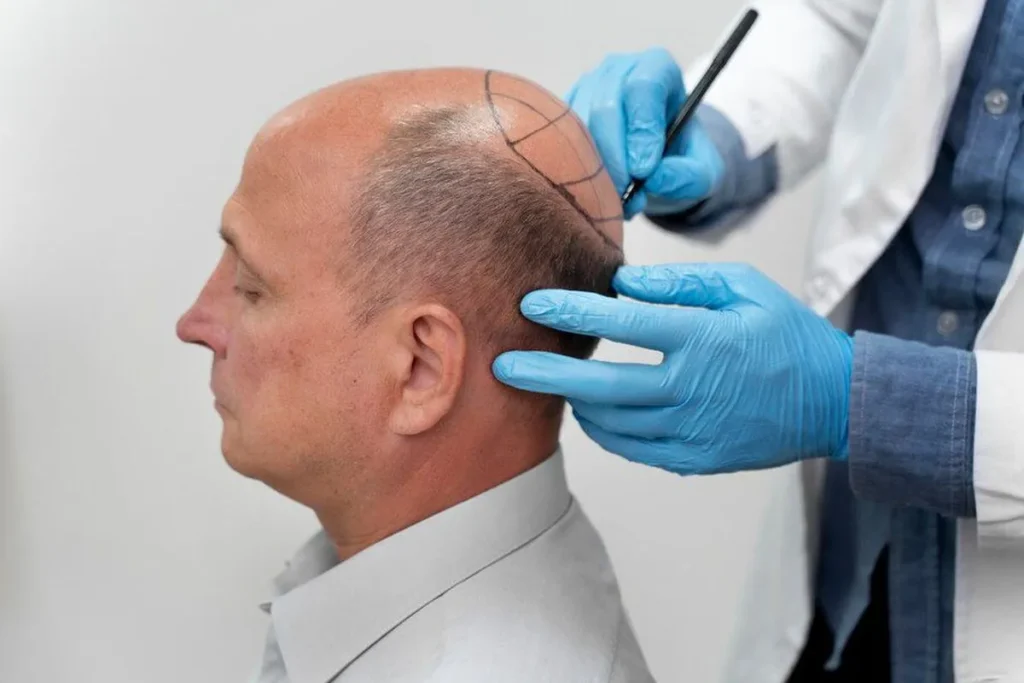
Robotic hair restoration technology has changed the game in hair transplantation. It offers a luxury transformation for those looking for natural results. The global hair transplant market is expected to grow from 153,101 procedures in 2020 to 231,720 in 2027. This shows the growing need for better hair restoration solutions.
Systems like ARTAS, which is FDA-approved, are leading the way. It’s important to know the differences in precision, cost, and results. The ARTAS robotic hair transplant system has raised the bar. But, new options are also catching people’s attention.
Robotic hair replacement offers powerful results for balding. Discover the amazing benefits of this high-tech, precise way to restore hair.
Key Takeaways
The global hair transplant market is growing rapidly, driven by advancements in robotic technology.
Robotic hair replacement systems offer enhanced precision and minimal follicle damage.
The cost of robotic hair transplant procedures varies depending on the system used.
Understanding the clinical outcomes of different robotic systems is essential for making informed decisions.
GoldCity Center‘s commitment to implementing up-to-date academic research highlights the importance of staying current with the latest developments in robotic hair transplantation.
The Growing Market of Robotic Hair Replacement Technology

The hair transplant industry is changing fast. This is thanks to artificial intelligence and robotics. Now, procedures are more precise and efficient.
The ARTAS robotic hair transplant system is a big step forward. It’s been FDA-approved for over a decade. It uses FUE, AI, and robotics for better hair restoration.
Current Market Trends and Growth Projections
The demand for robotic hair replacement tech is growing fast. This is because more people want hair restoration and the tech is getting better. The global market for robotic hair transplants is expected to grow a lot in the next few years.
More clinics are starting to use robotic hair transplant systems. This trend is likely to keep going. More people and clinics are seeing the benefits of robotic hair transplantation.
Evolution from Manual to Robotic FUE Procedures
The move from manual to robotic FUE procedures is a big step. Systems like ARTAS make FUE procedures more accurate and efficient. This reduces the chance of mistakes and improves results for patients.
Robotic FUE transplant procedures use AI and robotics to find and move healthy hair follicles. This makes the hairline look more natural and recovery time shorter.
Impact of AI and Robotics on Hair Restoration Results
AI and robotics have changed hair restoration for the better. They offer unmatched precision and consistency. The ARTAS system, for example, picks the best hair follicles for transplanting, leading to great results.
Robotic technology in hair transplantation has also improved patient outcomes. There’s less scarring and recovery is faster. As the tech gets better, we’ll see even more effective hair restoration solutions.
Hair restoration specialists can now give patients better and more pleasing results. This boosts patient satisfaction and confidence.
Essential Technical Features to Evaluate

To get the best results from a robotic hair transplant, it’s key to know the technical features. The success of the procedure depends on the system’s skills and accuracy.
Transection Rates: Why Lower is Better
Looking at a robotic hair transplant system’s transection rate is very important. Transection happens when a hair follicle gets damaged during the extraction. This can lead to fewer grafts surviving.
Robotic FUE systems can have transection rates as low as 2-5 percent. This is much lower than the 5-15 percent seen with manual FUE. A lower rate means the extraction is more precise and gentle. This leads to better hair growth and more natural-looking results.
Imaging Resolution and Real-time Analysis Capabilities
The ARTAS iX system uses a 44-micron resolution imaging system. It checks each follicular unit at a rate of 60 times per second. This high-resolution imaging, along with artificial intelligence algorithms, lets the system pick and extract hair grafts with great precision.
The ability to analyze in real-time means the system can make adjustments during the procedure. This ensures the best graft quality and survival.
Harvesting Speed and Precision Metrics
When looking at a robotic hair transplant system, speed and precision are key. A system that can quickly and accurately extract grafts is important. It helps keep the procedure short and makes the patient more comfortable.
The robotic hair transplant technology has improved a lot. Systems like the ARTAS iX offer high precision. This makes the procedure more efficient and effective.
The success of a hair implant FUE procedure depends on the robotic system’s technical abilities. Knowing and evaluating these features helps patients and practitioners make the right choice.
Evaluate the system’s transection rate for better graft survival.
Consider the imaging resolution and real-time analysis capabilities for precision.
Assess the harvesting speed and precision metrics for efficiency.
By focusing on these key technical features, people can get the most out of robotic hair transplant technology. This leads to more natural and satisfying results.
Comparing ARTAS and Other Robotic Hair Transplant Systems
Robotic systems like ARTAS are changing hair transplantation. The ARTAS iX is known for its one-room solution. This makes the process more efficient and comfortable for patients.
ARTAS iX System Specifications and Advantages
The ARTAS iX has features that make it stand out. It has high imaging resolution and real-time analysis. This means it can harvest grafts more precisely.
It also works in one room, making procedures simpler and cheaper. This setup improves patient comfort and shortens the procedure time.
Cost Analysis and Long-term Value Assessment
Looking at the cost of ARTAS systems, we must think about long-term benefits. The initial cost is higher, but the system’s precision and efficiency can lead to better results. This might mean fewer follow-up procedures.
Clinical Study Results and Patient Outcomes
Studies show robotic hair transplant technology is effective. The ARTAS system might have higher graft survival rates than manual methods. Patients often report being very satisfied with the results.
The ARTAS system uses advanced robotics and AI for hair restoration. As technology improves, we can expect even better treatments in the future.
Conclusion
The real value of hair transplantation is in lasting results and happiness. Robot hair transplant systems have changed the game with new tech. ARTAS robotic FUE leads the way, giving natural looks and less scarring.
ARTAS 9x and iX systems work great in skilled hands. They make sure you get a look that’s both natural and youthful. This is thanks to their precision and accuracy.
Choosing the right robotic hair transplant system can change your life. It boosts your confidence and brings out your inner beauty. Keep up with the latest tech and studies to choose wisely for your hair journey.
FAQs
What is a robotic hair transplant system?
A robotic hair transplant system is a high-tech tool for hair restoration. It uses artificial intelligence and robotics to make hair transplant procedures more precise and efficient.
How does the ARTAS robotic hair transplant system work?
The ARTAS system uses advanced imaging and AI to pick the best hair follicles for transplant. It then carefully harvests and plants them, reducing damage and improving survival rates.
What are the benefits of using a robotic hair transplant system?
Robotic systems offer better precision, lower damage rates, and higher graft survival. They also make the process more efficient, leading to more natural and lasting results.
How much does a robotic hair transplant cost?
The cost of a robotic hair transplant depends on several factors. These include the technology, the doctor’s expertise, and the location. It’s generally more expensive due to its advanced tech and better results.
What is the difference between ARTAS and other robotic hair transplant systems?
ARTAS stands out with its high-resolution imaging, real-time analysis, and precise harvesting. These features make it unique and provide superior results compared to other systems.
Are robotic hair transplants more effective than manual FUE procedures?
Yes, robotic hair transplants are more effective than manual FUE. This is because they use advanced technology and AI for better precision and graft survival.
Can robotic hair transplant systems be used for all types of hair loss?
Robotic systems can treat many types of hair loss, including male and female pattern baldness. They work well for those with fine or damaged hair.
How do I choose the right robotic hair transplant system for my needs?
To pick the right system, look at its precision, imaging quality, and speed. Also, consider the doctor’s skill and the cost. This ensures you get the best results for your hair.


