

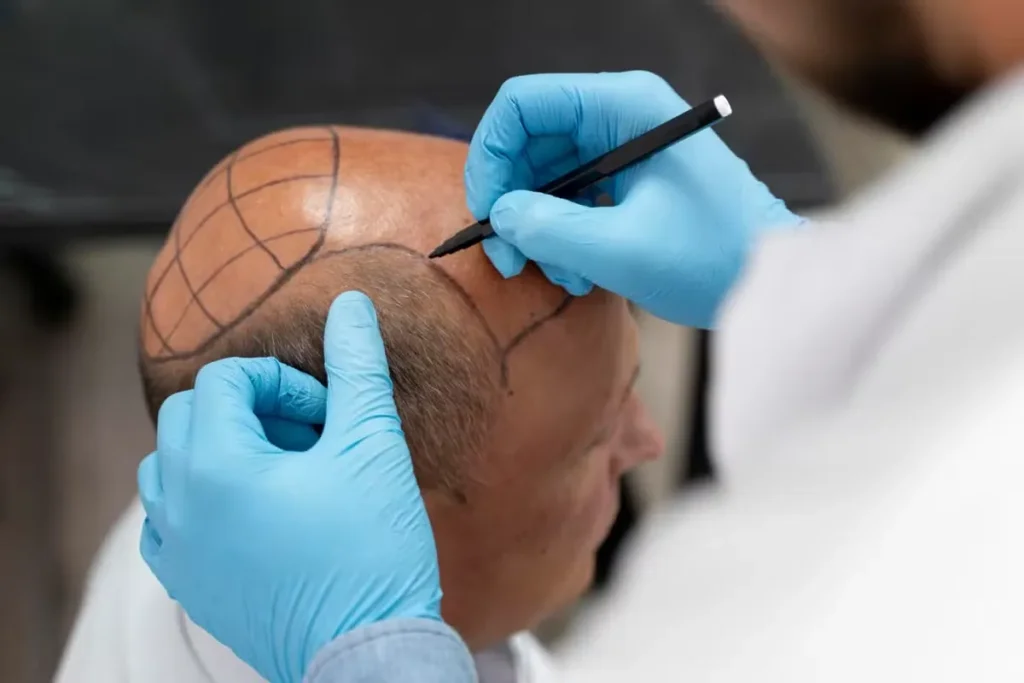
Robotic hair transplantation is a big step forward in hair restoration technology. It uses artificial intelligence, computer vision, and robotics. This makes it very precise and effective.
The ARTAS robotic system and the newer HARRTS FUEsion-X 5.0 system are at the top. The ARTAS does 3D scalp scans and harvests grafts with 0.1mm accuracy. This cuts down human mistakes by 99 percent.
When picking the best robotic hair transplant, it’s key to know the tech behind it. This advanced tech promises high accuracy and natural-looking outcomes.
Explore robotic hair surgery for incredible success. Learn how this powerful technology ensures amazing, natural-looking hair restoration.
Key Takeaways
Understand the technology used in robotic hair transplantation
Consider the precision and success rates of different robotic systems
Look for clinics with expertise in robotic hair restoration
Evaluate the benefits of different robotic systems, such as ARTAS and HARRTS FUEsion-X 5.0
Ensure the clinic uses the latest advancements in robotic technology
Understanding Robotic Hair Surgery Technology

Robotic hair surgery has changed the game in hair transplantation. It brings unparalleled accuracy and reduced human error. This technology has made hair restoration more precise and efficient
The Revolution in Hair Restoration Technology
Robotic systems have transformed hair transplantation. They make procedures more precise and less invasive. For example, the ARTAS robotic system scans the scalp in 3D and harvests grafts with 0.1mm precision. This cuts down human error by 99 percent.
AI and Computer Vision Integration
AI and computer vision have changed robotic hair surgery. Systems like ARTAS use cameras and image processing. They help identify and harvest follicular units, making the process faster and more accurate.
Leading Systems: ARTAS and HARRTS FUEsion-X 5.0
ARTAS and HARRTS FUEsion-X 5.0 are top robotic hair transplant systems. NeoGraft is a manual FUE procedure, but ARTAS uses robotic precision to automate the extraction. This makes it more advanced.
Key Benefits of Robotic Hair Transplantation
Robotic hair transplantation is a game-changer in hair restoration. It reduces human mistakes and boosts graft survival rates. This tech uses AI-powered cameras and robotic-assisted devices for precise and consistent results.
99% Reduction in Human Error
Robotic hair transplant cuts down human mistakes by a lot. Robotic systems pick the best grafts with a smart algorithm. This careful selection means less damage and better results.
Enhanced precision in graft selection
Reduced risk of human error during extraction
Improved consistency in the transplantation process
Increased Graft Survival Rates
Robotic hair transplant aims to keep more grafts alive. The robotic-assisted devices take follicles gently. This leads to better success rates and natural-looking hair.
89% Accuracy in Follicle Detection
The AI-powered cameras in these systems spot follicles 89% accurately. This means the right follicles are chosen for transplant. It boosts the procedure’s success.
50x Magnification with AI-Powered Cameras
The AI-powered cameras can zoom in 50x. This lets them see the scalp and follicles up close. AI helps the system make exact calculations for the transplant.
Choosing robotic hair transplantation means getting a top-notch solution. It offers precision, accuracy, and consistency. As it gets better, it will be key in hair restoration.
Essential Factors to Consider When Choosing Robotic Hair Surgery

Robotic hair surgery is becoming more popular. It’s important to know the key factors involved. By 2025, robotic hair surgery is widely used in advanced clinics around the world. It offers a modern solution for hair loss.
Evaluating Clinic Technology Standards
Choosing a clinic for robotic hair surgery requires checking their technology. Systems like ARTAS and NeoGraft FUE differ in precision and consistency. ARTAS focuses on uniform extraction quality, leading to better graft survival and natural results.
Key considerations include:
The type of robotic system used
The level of precision and consistency achieved
The integration of AI and computer vision technology
Surgeon Experience with Robotic Systems
The surgeon’s experience with robotic systems is key. A skilled surgeon can greatly improve the procedure’s success. They can handle the technology’s complexities and make necessary adjustments for the best results.
Comparing Robotic FUE vs. Traditional Methods
It’s important to compare robotic FUE with traditional methods. Robotic FUE has higher graft survival rates and less human error. This makes it a good choice for many patients.
Cost Analysis and Insurance Considerations
Understanding the cost and insurance is vital. The cost of robotic hair surgery varies by clinic, location, and procedure extent. Check with your insurance to see if it covers any part of the procedure.
“The cost of robotic hair surgery is an investment in your confidence and self-esteem.”
Conclusion
Robotic hair transplantation is a big step forward in hair care. It brings new levels of precision and success. The International Society of Hair Restoration Surgery says hair is key to our health and happiness.
AI and computer vision have changed hair surgery for the better. Systems like ARTAS and HARRTS FUEsion-X 5.0 make hair restoration top-notch. They give people the look they want, making them feel more confident and unique.
More people want robotic hair transplants, so it’s important to know what to look for. Look for clinics with the latest tech, skilled surgeons, and fair prices. This way, you can find a clinic that helps you shine and feel beautiful.
Robotic fue hair transplant and other robotic surgeries are now the top choice for hair loss. The hair transplant robot is making hair restoration even better. The future of hair care is looking very bright.
FAQs
What is robotic hair transplantation?
Robotic hair transplantation uses advanced technology for precise hair restoration. It combines artificial intelligence, computer vision, and robotics. This ensures natural-looking results.
How does the ARTAS robotic system work?
The ARTAS system scans your scalp in 3D. It then harvests grafts with little human error. Cameras and image processing help identify and extract follicular units.
What are the benefits of robotic hair transplantation?
Robotic hair transplantation has many benefits. It reduces human error and boosts graft survival rates. AI-powered cameras with 50x magnification ensure high accuracy in follicle detection.
What factors should I consider when choosing robotic hair surgery?
When choosing robotic hair surgery, consider several factors. Look at the clinic’s technology standards and the surgeon’s robotic experience. Compare robotic FUE with traditional methods. Also, understand the cost and insurance considerations.
How accurate is follicle detection in robotic hair transplantation?
Robotic hair transplantation is very accurate. Some systems can detect follicles with up to 89% accuracy.
What is the difference between robotic FUE and traditional methods?
Robotic FUE uses technology to extract follicular units. This reduces human error and speeds up the process. Traditional methods rely on manual extraction.
Is robotic hair transplantation covered by insurance?
Insurance coverage for robotic hair transplantation varies. It’s important to understand the cost and insurance considerations before making a decision.
What are the latest advancements in robotic hair restoration technology?
Recent advancements include systems like ARTAS and HARRTS FUEsion-X 5.0. These systems offer unparalleled precision and natural-looking results.
How do I find a qualified surgeon for robotic hair transplantation?
To find a qualified surgeon, look at their robotic experience and the clinic’s technology standards. Review their before-after results to ensure they meet your expectations.
References
National Center for Biotechnology Information. Evidence-Based Medical Insight. Retrieved from https://pmc.ncbi.nlm.nih.gov/articles/PMC10755542/[8


