

Imagine getting a hair restoration procedure that’s as precise as a surgeon’s hand. The newest hair implant technology has changed the game. It now has a 97% success rate with little harm to hair follicles.
Robotic hair transplant tech, like ARTAS and HARRTS FUEsion X 3.0, is a big leap in hair restoration. It uses follicular unit extraction (FUE). This new method is a big deal for those looking into hair restoration.
If you’re dealing with male pattern baldness or just want the latest in hair transplant technology, knowing about robotic hair transplant is key.
This robotic hair transplant amazing guide explains the powerful benefits of ARTAS. See how technology can give you perfect hair results.
Key Takeaways
Robotic systems like ARTAS and HARRTS FUEsion X 3.0 enhance precision in hair restoration.
Follicular unit extraction (FUE) is a key technique used in robotic hair transplants.
Success rates of up to 97% can be achieved with minimal damage to follicles.
Understanding the technology is key for making informed choices.
The latest advancements offer a game-changing approach for hair restoration.
Understanding Robotic Hair Transplant Technology

The latest in hair restoration is robotic hair transplant tech. It uses robotics, digital imaging, and AI for better results. This tech has changed hair transplantation, making it more precise, efficient, and less invasive.
What is Robotic Follicular Unit Extraction (FUE)?
Robotic Follicular Unit Extraction (FUE) uses robots to take hair follicles from the donor area. The ARTAS Robotic Hair Transplant system is a top example. It combines robotics, digital imaging, and AI for better surgery.
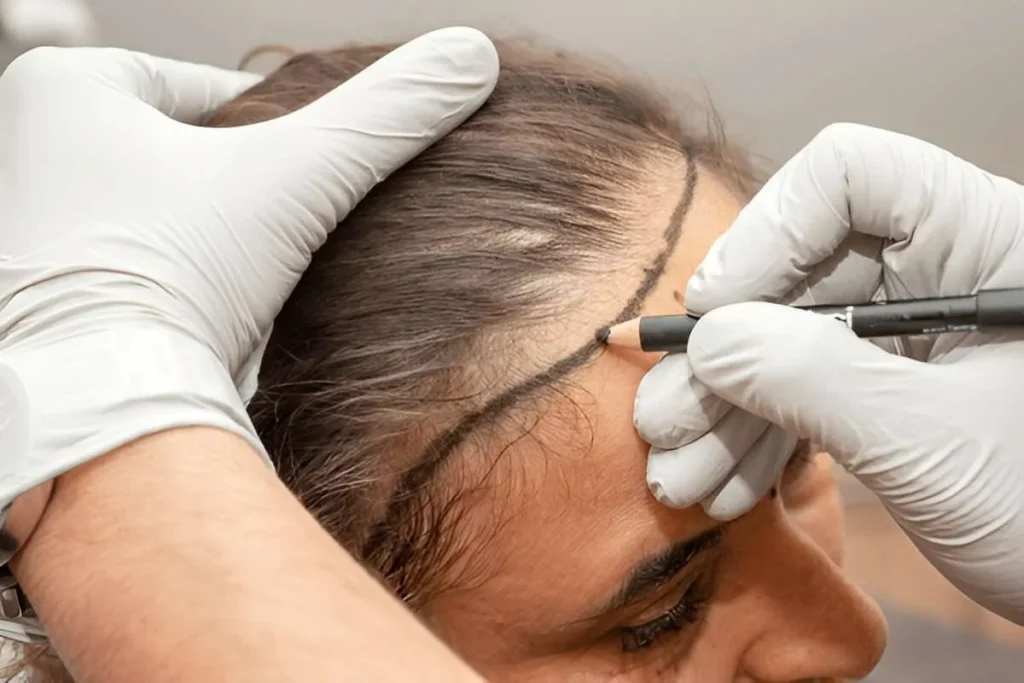
The surgery starts with a 3D scalp model. This model helps the surgeon design a custom hairline. The robotic system then finds and cuts follicular units accurately. This reduces damage and promotes healthier grafts.
Leading Robotic Systems in Hair Restoration
The ARTAS system leads in robotic hair restoration. It’s known for improving the surgeon’s skills, allowing for more detailed work.
Other systems are also coming up, each with its own advancements. They keep getting better, aiming to improve patient results and what’s possible in robotic hair transplantation.
Benefits of Robotic Hair Transplant Procedures

Robotic hair transplant procedures have changed the game in hair restoration. They offer many benefits for those looking for a natural and lasting fix for hair loss. These advanced robotic systems provide a precise and reliable way to restore hair and boost confidence.
Precision and Reduced Transection Rates
Robotic hair transplant procedures are known for their high precision and low transection rates. Studies show that robotic FUE has a transection rate as low as 2-5%. This is much lower than the 5-15% rate for manual FUE. This precision means more hair follicles are saved, leading to better transplant results.
Faster Procedure Times and Recovery
Robotic hair transplant procedures are also faster and have quicker recovery times. The robotic system works quickly and precisely, cutting down the procedure time. Plus, the minimally invasive nature of robotic FUE causes less scalp trauma. This leads to faster healing and recovery for patients.
Success Rates and Patient Satisfaction
The success rates of robotic hair transplant procedures are impressive, with a 97% success rate. Patient satisfaction is also high, with 90-95% of patients happy with the results. These numbers highlight the effectiveness and reliability of robotic hair transplant technology.
In summary, robotic hair transplant procedures offer many benefits. They include precision, faster procedure times, and high success rates. These make them a great choice for those looking for a reliable and effective solution to hair loss.
How to Prepare for Your Robotic Hair Transplant
Getting ready for a robotic hair transplant is key to its success. Knowing what to do can make a big difference. It’s important to be well-informed and ready for the process.
Finding a Qualified Provider
Finding a good provider is the first step. Look for clinics and surgeons who use the ARTAS robotic system. This is a top technology in hair restoration.
When choosing a provider, check their reputation and patient reviews. Also, look at their before-and-after photos. A consultation is a chance to see if they’re right for you and ask about the cost of robotic hair transplants.
Initial Consultation and Planning
In the first meeting, your provider will check your hair loss and talk about your goals. They’ll use software to show you what the transplant might look like. This planning is key to figure out how many grafts you’ll need and the cost of the procedure.
The cost of an ARTAS robotic hair transplant can be from $7,000 to $15,000. This depends on how many grafts you need and where the clinic is. Knowing these costs is important for planning.
Cost Considerations and Insurance
Talk about cost considerations with your provider. Most insurance doesn’t cover hair transplants because they’re seen as cosmetic. But, some clinics offer financing to help.
When looking into robotic hair transplants NYC or nearby, ask about extra costs. This includes follow-up visits and care after the transplant. Knowing the total cost helps you make a better choice.
By preparing well for your robotic hair transplant, you can get great results. This includes finding a good provider and understanding the costs. This way, you can enjoy the benefits of new hair implant technology.
Conclusion
Robotic hair transplantation has changed the game in hair restoration. It offers a modern and effective way to bring back your hair. With the latest tech, these robots give you precise results, quick recovery, and amazing looks.
The perks of robotic hair transplants are clear. They use advanced tech for a more precise and gentle procedure. This means faster healing and a hairline that looks natural. As more people want this, it’s clear robotic hair restoration is the future.
Learning about robotic hair transplantation and finding a good provider can unlock its full benefits. Whether you’re thinking about a robot hair transplant or just looking into options, the latest in robotic hair restoration is impressive. It combines precision, efficiency, and natural looks, making it a game-changer in hair restoration.
FAQs
What is robotic hair transplantation?
Robotic hair transplantation uses advanced technology like ARTAS and HARRTS FUEsion X 3.0. It helps in hair restoration procedures. This method offers precision and reduces damage to hair.
How does robotic FUE work?
Robotic FUE uses a robotic system to carefully remove hair follicles. This makes hair transplantation precise and less invasive.
What are the benefits of robotic hair transplants?
Robotic hair transplants are precise and quick. They also reduce damage to hair. This results in a natural-looking hair restoration.
Is robotic hair transplant a safe procedure?
Yes, robotic hair transplant is safe. It’s performed by skilled providers using advanced technology like ARTAS and HARRTS FUEsion X 3.0.
How do I find a qualified provider for robotic hair transplant?
Look for experienced surgeons who specialize in robotic hair transplantation. Check their reviews, before-and-after photos, and credentials.
What is the cost of robotic hair transplant?
The cost varies based on the procedure’s extent, provider’s fees, and location. It’s best to get a personalized quote from a qualified provider.
Does insurance cover robotic hair transplant?
Insurance usually doesn’t cover hair transplantation, including robotic hair transplants. It’s considered cosmetic. Check with your insurance provider for details.
What is the recovery time for robotic hair transplant?
Recovery time is faster than traditional methods. Most patients can return to normal activities within a few days.
Are robotic hair transplants effective?
Yes, they are effective in achieving natural-looking hair restoration. Patients are often very satisfied with the results.
Can robotic hair transplants be used for everyone?
Many people can benefit from robotic hair transplants. But, a consultation with a qualified provider is needed to determine the best treatment.
References
National Center for Biotechnology Information. Evidence-Based Medical Insight. Retrieved from https://pmc.ncbi.nlm.nih.gov/articles/PMC11930656/


