

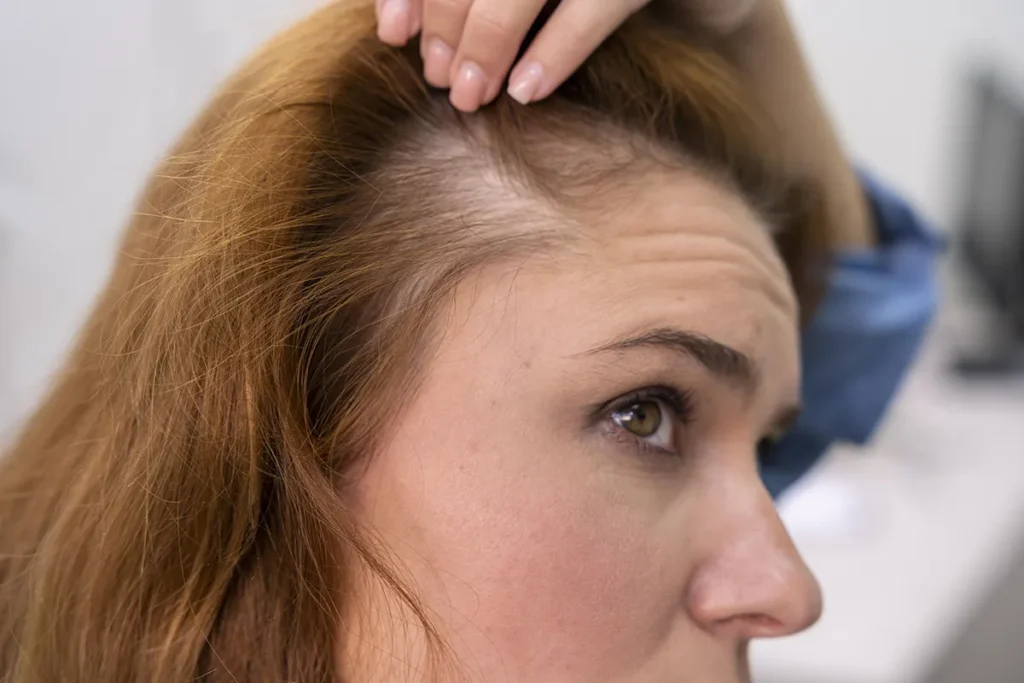
It’s important to know the side effects of Rogaine and minoxidil before you start treatment for hair loss. Minoxidil is used for high blood pressure and hair loss. It’s available as a generic and over-the-counter as a liquid or foam.
Topical minoxidil is safe and works well for both men and women. But, almost half of users face at least one adverse effect. This could be scalp irritation or unwanted facial hair. Knowing these side effects helps you make better choices for your hair loss treatment.
Understand rogaine adverse effects before you start. Read the essential truth about safety and discover amazing ways to regrow hair safely.
Key Takeaways
Understand the possible side effects of Rogaine and minoxidil before starting treatment.
Minoxidil is used for treating high blood pressure and pattern hair loss.
Topical minoxidil is generally safe but can cause adverse effects in some users.
Nearly half of users experience at least one side effect.
Being informed helps you make empowered decisions about your hair loss treatment.
Understanding Minoxidil and Rogaine

Topical minoxidil, known as Rogaine, is a big step forward in fighting hair loss. It’s widely used and it’s key to know how it works, how common it is, and its possible side effects.
What is Topical Minoxidil?
Topical minoxidil is a treatment applied to the scalp to boost hair growth and slow down hair loss. It was first made for high blood pressure but was found to help hair grow. This led to changing it for use on the scalp.
The exact way minoxidil helps hair grow isn’t fully known. But it’s thought to make hair follicles wider and extend the growth phase of hair.
Prevalence of Use for Hair Loss
Minoxidil is a key treatment for androgenetic alopecia, or male and female pattern baldness. It’s popular because it’s safe and works well for hair growth. Common side effects include:
Scalp irritation (13.8%)
Unwanted facial hair growth (12.3%)
Temporary hair shedding (9.8%)
Seborrhea exacerbation (9.5%)
Even though it’s mostly safe, knowing these side effects is important. It helps users make smart choices about their treatment.
Common Rogaine Adverse Effects

Rogaine is used to treat hair loss and can cause several side effects. It’s generally safe but can lead to mild scalp irritation or more serious issues in rare cases. Knowing these side effects is key for those thinking about using Rogaine.
Scalp Irritation and Dermatological Issues
Scalp irritation is a common side effect of Rogaine. It can cause itching, redness, dryness, scaling, or flaking. In some cases, it can lead to more serious skin problems like contact dermatitis. It’s important to watch how your scalp reacts to Rogaine and adjust your treatment if needed.
Temporary Hair Shedding
When starting Rogaine, some people may notice temporary hair shedding. This is often a sign that the treatment is working, as it means the hair follicles are being stimulated. But, if the shedding doesn’t stop, it’s best to talk to a healthcare professional.
Unwanted Hair Growth
Rogaine can cause unwanted hair growth in some people, more so with oral minoxidil. This is because the product can spread to other areas of the skin. Be careful when applying Rogaine to avoid unwanted hair growth in other areas.
Concentration-Related Side Effects (2% vs 5%)
The amount of minoxidil in Rogaine affects the side effects. Studies show that only 1.4% of topical minoxidil is absorbed, with no systemic side effects like low blood pressure or abnormal heart rate. The table below shows the common side effects for different Rogaine concentrations.
Understanding the side effects of Rogaine and how they relate to minoxidil concentration helps users make better choices. Always talk to a healthcare professional if side effects get worse or don’t go away.
Conclusion
Remember, knowing about Rogaine and minoxidil is key to treating hair loss well. Understanding side effects like scalp irritation and unwanted hair growth helps you manage your hair loss journey.
Many patients stop using topical minoxidil, with 86.3% doing so. But, many stop for reasons not related to side effects. Always follow your healthcare provider’s advice and don’t stop using minoxidil without their say-so.
Rogaine for men and its side effects are something to consider. Knowing about these can help you choose the right treatment. Understanding the different side effects of topical rogaine is important for the best results.
Being aware of minoxidil and Rogaine’s side effects helps you make smart choices for your hair loss treatment. This can lead to a more confident you.
FAQs
Is topical minoxidil safe to use for hair loss treatment?
Topical minoxidil is usually safe when used correctly. But, it’s important to know about possible side effects. These can include scalp irritation and unwanted hair growth.
What are the common side effects of Rogaine?
Rogaine can cause scalp irritation and temporary hair shedding. It might also lead to unwanted hair growth. The 2% or 5% solution can have different side effects.
Does Rogaine cause hair loss?
Rogaine can make hair fall out, but this is often a sign it’s working. Hair growth should start again after a while.
What is the difference between 2% and 5% minoxidil?
The main difference is the concentration of minoxidil. The 5% solution is stronger and might work better for some. But, it can also lead to more side effects.
Can I use Rogaine if I have sensitive skin?
If your skin is sensitive, use Rogaine with caution. Start with a small test area to see if you react badly. You might want to talk to a dermatologist for advice.
How long does it take to see results from Rogaine?
Results from Rogaine can vary. But, most people see improvements in 3-6 months. Be patient and keep using it as directed, as hair growth takes time.
Can I use Rogaine with other hair loss treatments?
It’s best to talk to a dermatologist before mixing Rogaine with other treatments. They can help find the best treatment for you.
Are there any long-term side effects of using Rogaine?
Long-term use of Rogaine is usually safe. But, some might experience ongoing side effects like scalp irritation or unwanted hair. If you’re worried, see a dermatologist for advice.
References
National Center for Biotechnology Information. Evidence-Based Medical Insight. Retrieved from https://pmc.ncbi.nlm.nih.gov/articles/PMC6691938/[7


