

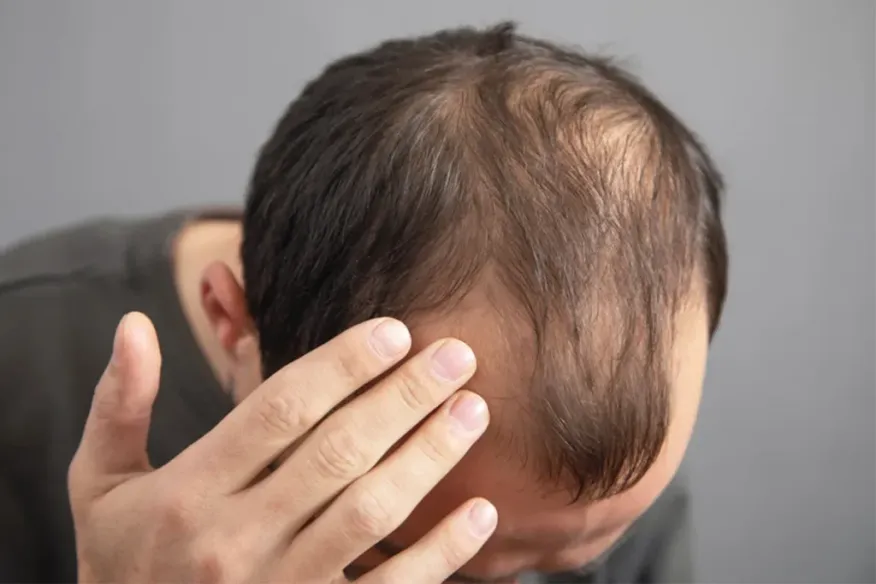
Hair loss is a big worry for millions around the world. It can make people feel sad and lower their quality of life. Knowing about the different hair loss types and what causes them is key to finding the right treatment.
Dermatologist Brian Abittan, MD, says some people get really upset by even a little hair follicle falling out. Others might not mind a lot of thinning or balding. Androgenetic alopecia is the main reason for hair loss in men, affecting about 95% of them.
Identify scalp disorders that cause hair loss with this powerful guide. Find amazing treatments to heal your scalp and stop thinning fast.
Key Takeaways
Understanding the different types of hair loss is key to finding the right treatment.
Androgenetic alopecia is the most common cause of hair loss in men.
Hair loss can be caused by many things, like genes and medical conditions.
Finding out what specific condition you have is the first step to managing it.
GoldCity Center is dedicated to providing top-notch treatment for hair loss.
The Science Behind Hair Loss and Follicle Disruption

Hair loss affects millions worldwide. It’s linked to how hair grows and how follicles are disrupted. Knowing the types of hair loss starts with understanding the science.
Hair Growth Cycle Basics
The scalp has about 100,000-150,000 hair follicles. Hair grows in cycles. There are three phases: anagen, where hair grows; catagen, a short transition; and telogen, where hair falls out.
It’s normal to lose up to 100 hairs a day. But, disruptions can cause noticeable hair loss. Genetics, hormonal changes, and medical conditions can affect hair growth, leading to types of baldness.
Global Statistics and Prevalence
By age 35, about two-thirds of men in the U.S. experience hair loss. This number jumps to 85% by age 50. The most common type of hair loss, androgenetic alopecia, is caused by genetics and hormones.
Knowing the science behind hair loss helps people understand their condition. It’s key to finding the right treatment. Whether it’s hair loss names or the causes, knowledge is powerful in fighting this common issue.
Common Scalp Disorders That Cause Hair Loss
Scalp issues often lead to hair loss. The scalp is a complex area, and problems here can harm hair health. Knowing about these issues helps find the right treatment and get a full head of hair back.
Androgenetic Alopecia (Male and Female Pattern Baldness)
Androgenetic alopecia, or male and female pattern baldness, is a genetic condition. It affects both men and women. Men may start losing hair in their teens or early 20s. Women usually see thinning in their 40s or later.
Prevalence: This condition is very common, affecting millions. It’s a big reason for hair loss worldwide.
Telogen Effluvium
Telogen effluvium is a condition where hair falls out due to stress, illness, or hormonal changes. It happens when more hair follicles than usual stop growing. This can be caused by major surgery, severe illness, or big weight loss.
Statistics: It affects about 40-70% of people with hair loss. This makes it a major cause of hair loss.
Seborrheic Dermatitis
Seborrheic dermatitis is an inflammatory skin condition. It affects the scalp, causing redness, itching, and flaking. If not treated, it can lead to hair loss. It’s linked to stress, hormonal changes, and genetics.
Treatment: Treating it involves medicated shampoos, creams, and lifestyle changes. These help manage stress and improve skin health.
Knowing about these scalp disorders is key to fighting hair loss. By finding the cause, people can get the right treatment. This helps restore their hair’s health and shine.
Autoimmune and Traumatic Hair Loss Conditions

It’s important to know about different hair loss types for effective treatment. This is true for autoimmune and traumatic conditions. Hair loss can come from immune system problems and physical stress on hair follicles.
Alopecia Areata
Alopecia areata is an autoimmune condition. It happens when the immune system attacks hair follicles, causing sudden patchy hair loss. It affects about 2 per 1,000 people in the UK. This condition can cause a lot of emotional distress because of its unpredictable nature and visible symptoms.
Key characteristics of alopecia areata include:
Patchy hair loss on the scalp or body
Nail changes, such as pitting or brittleness
Potential for spontaneous regrowth, though recurrence is common
Scarring Alopecias
Scarring alopecias are rare disorders that cause permanent hair loss. They happen when the scalp gets inflamed and scarred. This destroys hair follicles and replaces them with scar tissue, leading to permanent hair loss if not treated quickly.
Traction Alopecia
Traction alopecia is caused by tight hairstyles like braids, buns, or ponytails. It’s common among those who wear their hair in styles that pull on the hair follicles. This leads to hair loss along the hairline or areas of tension.
Prevention is key. Changing hairstyles to reduce tension can help prevent further hair loss.
Trichotillomania
Trichotillomania is a psychological disorder where people have an urge to pull out their own hair. This often results in noticeable hair loss. It’s linked to stress, anxiety, or other emotional factors. Treatment usually involves psychological therapy and behavioral interventions.
Treatment approaches for trichotillomania may include:
Cognitive-behavioral therapy (CBT) to address underlying emotional issues
Habit reversal training to reduce the urge to pull hair
Support groups for individuals experiencing similar challenges
Conclusion: Diagnosis and Treatment Approaches
Diagnosing hair loss is a detailed process. It includes a physical exam, looking at your medical history, and sometimes a scalp biopsy or blood tests. Knowing the different hair fall types and their causes is key to treating it well.
Treatment for hair follicle hair loss varies based on the cause. It might involve medications like minoxidil and finasteride, or lifestyle changes. In some cases, hair transplant surgery is needed. A dermatologist can figure out the cause of scalp diseases hair loss and suggest the best treatment.
By finding the cause of hair loss, people can explore many treatment options. With the right treatment, you can look radiant and feel confident again. Getting the right treatment for hair loss means getting a plan that’s just for you. With a dermatologist’s help, you can take control of your beauty and improve your daily routine.
FAQs
What are the most common types of hair loss?
The most common hair loss types are androgenetic alopecia, telogen effluvium, and alopecia areata. Androgenetic alopecia, also known as male or female pattern baldness, is the most common. It affects about 95% of men with hair loss.
What is the difference between androgenetic alopecia and alopecia areata?
Androgenetic alopecia is a genetic condition that causes hair to thin gradually. Alopecia areata is an autoimmune condition where the immune system attacks hair follicles. This leads to patchy hair loss.
Can scalp disorders cause hair loss?
Yes, scalp disorders like seborrheic dermatitis and scarring alopecias can cause hair loss. Seborrheic dermatitis is an inflammatory skin condition that can lead to hair loss. Scarring alopecias result in permanent hair loss due to inflammation and scarring.
How is hair loss diagnosed?
Hair loss diagnosis involves a physical exam, medical history, and diagnostic tests. A dermatologist can help find the cause of hair loss.
What are the treatment options for hair loss?
Treatment options depend on the cause of hair loss. They can include medications, lifestyle changes, and surgery. A dermatologist can help choose the best treatment.
Can hair loss be prevented?
Some hair loss is unavoidable, but certain steps can help prevent or minimize it. Maintaining a healthy lifestyle, reducing stress, and avoiding tight hairstyles are important.
What is telogen effluvium?
Telogen effluvium is a condition where hair sheds temporarily due to stress, illness, or hormonal changes. It’s a common cause of hair loss and can be treated by addressing the cause.
What is trichotillomania?
Trichotillomania is a psychological disorder where people compulsively pull their hair. It’s a traumatic hair loss condition that needs professional treatment.
Can hair loss be a sign of an underlying medical condition?
Yes, hair loss can signal an underlying medical condition, such as a thyroid disorder or autoimmune disease. It’s important to see a dermatologist to find the cause of hair loss.
References
National Center for Biotechnology Information. Evidence-Based Medical Insight. Retrieved from https://pmc.ncbi.nlm.nih.gov/articles/PMC2938575/


