

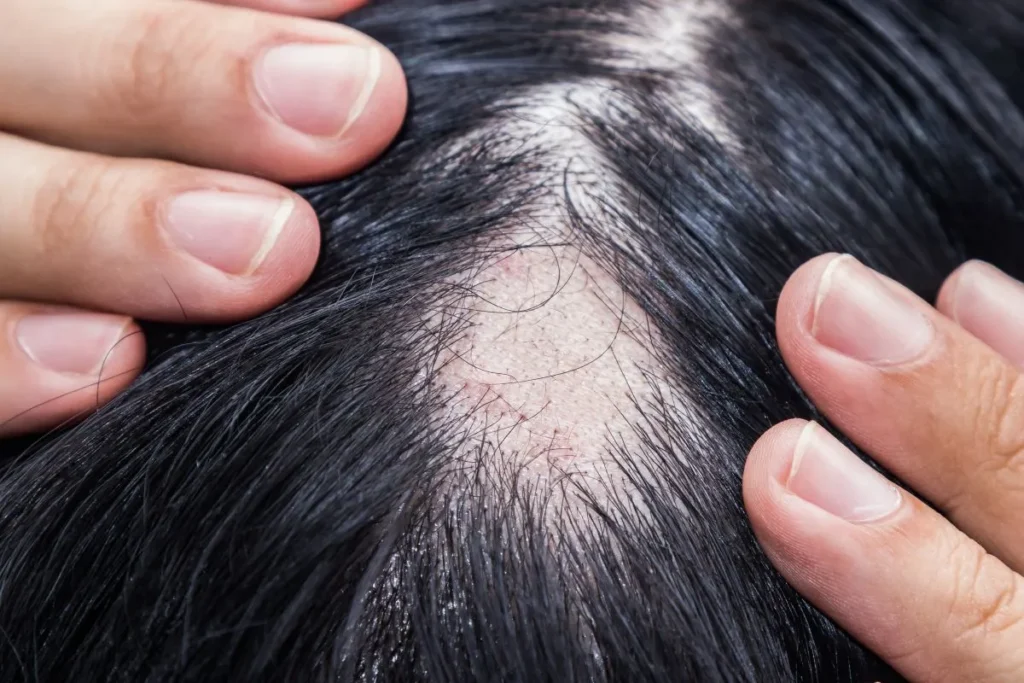
Ever had sudden, sharp tender scalp pain when combing your hair? If you’re over 50, it might be Giant Cell Arteritis. This serious autoimmune disease affects thousands every year.
This condition causes blood vessel inflammation in your scalp and temples. It’s a big deal and needs quick medical help to avoid vision loss. Knowing about autoimmune diseases and scalp pain is key for the right treatment.
Scalp pain autoimmune issues can be scary. Discover incredible secrets and powerful ways to manage tender scalp and stop hair loss today.
Key Takeaways
Giant Cell Arteritis (GCA) is a primary autoimmune disease causing tender scalp pain.
GCA is characterized by inflammation in the blood vessels, mainly in the head and scalp.
Scalp tenderness is a classic symptom of GCA, often reported as pain when combing or brushing hair.
Prompt medical attention is necessary to prevent complications like permanent vision loss.
GCA is the most common form of vasculitis in individuals over 50 years old.
Giant Cell Arteritis: The Primary Scalp Pain Autoimmune Condition

Giant Cell Arteritis (GCA), also known as temporal arteritis, is a serious autoimmune condition. It causes inflammation in the blood vessels, leading to tender scalp pain. This condition greatly affects the quality of life, mainly in older adults.
What is Giant Cell Arteritis?
Giant Cell Arteritis is a form of vasculitis that affects the large and medium-sized arteries in the head, scalp, neck, and upper body. The inflammation caused by GCA can lead to various symptoms, including headaches, jaw pain, visual disturbances, and scalp tenderness. Understanding the nature of GCA is key for early diagnosis and effective treatment.
The condition causes swelling and irritation in the lining of blood vessels, often affecting the arteries in the temples. This can result in a range of symptoms that significantly impact daily life.
How GCA Affects Blood Vessels in the Scalp
GCA’s impact on blood vessels in the scalp is a critical aspect of the condition. The inflammation caused by GCA can lead to reduced blood flow, resulting in pain and tenderness in the scalp. This can be problematic, as it may lead to severe complications if left untreated, such as vision loss.
It’s essential to recognize the symptoms of GCA early on to prevent long-term damage. By understanding how GCA affects the blood vessels in the scalp, healthcare providers can offer targeted treatments. These treatments aim to alleviate symptoms and improve the quality of life for those affected.
Recognizing Symptoms and Risk Factors of GCA

It’s important to know the symptoms and risk factors of Giant Cell Arteritis (GCA) for early treatment. This condition causes blood vessel inflammation, mainly in the scalp. It leads to symptoms that can really affect your life.
Classic Symptoms: Headaches, Jaw Pain, and Visual Disturbances
The main symptoms of GCA are headaches, jaw pain when chewing, and visual disturbances. These happen because the blood vessels in the head and scalp get inflamed.
Visual problems can be serious, from double vision to losing vision in one or both eyes. Seeing a doctor quickly is key to avoid lasting damage.
Scalp Tenderness and Hair-Brushing Pain
Scalp tenderness is a big sign of GCA. It’s so bad that even brushing your hair can hurt. This pain comes from the arteries in the scalp getting inflamed.
Age, Gender, and Other Risk Factors
GCA often hits people over 50, with most cases happening around 72 years old. Women get it two to three times more than men. This shows a big difference in who gets GCA.
Knowing these symptoms and risk factors helps spot who might get GCA. This makes it easier to catch it early and treat it right.
Diagnosis and Treatment Options
To diagnose GCA, doctors use many tests and exams. They look at the patient’s history, do physical checks, and run specific tests. This helps them figure out if someone has Giant Cell Arteritis.
Diagnostic Tests and Procedures
There are key tests for diagnosing GCA. These include:
Blood Tests: To check for inflammation markers like ESR and CRP.
Biopsy: A biopsy of the temporal artery is the best way to confirm GCA. It checks for inflammation in the artery.
Imaging Tests: Ultrasound, MRI, or PET scans help see how much inflammation is in the arteries.
“Early diagnosis is critical to prevent complications such as vision loss.”
Corticosteroid Therapy and Other Treatments
After diagnosis, the main treatment for GCA is corticosteroid therapy. It aims to lower inflammation and stop further problems. Doctors start with high doses of corticosteroids right away to control symptoms and protect vision.
A medical expert says,
Other treatments might be used to help manage symptoms and prevent relapse. These include:
Low-dose Aspirin: To lower the chance of heart problems.
Alternative Therapies: Like methotrexate or tocilizumab for those who can’t take corticosteroids or need more help.
Managing GCA well needs a detailed treatment plan. It’s important to keep up with follow-up care. This helps doctors adjust treatments as needed.
Conclusion
Giant Cell Arteritis is a serious autoimmune condition that causes tender scalp pain. It’s important to get medical help right away. Knowing the symptoms like headaches, jaw pain, and vision problems is key to early diagnosis and treatment.
Temporal arteritis is another name for Giant Cell Arteritis, showing its effect on the temporal arteries. The pain from GCA can really hurt your life quality. Starting corticosteroid therapy early can greatly improve your health.
Knowing about GCA and its effects helps people get medical help sooner. This can stop serious problems from happening. By understanding the risks and symptoms, you can take steps to get diagnosed and treated. This can greatly improve your health and well-being.
FAQs
What is Giant Cell Arteritis?
Giant Cell Arteritis (GCA) is a condition where the body’s immune system attacks healthy blood vessels. This causes inflammation and symptoms like tender scalp pain.
What are the classic symptoms of Giant Cell Arteritis?
Symptoms of GCA include headaches, jaw pain, and visual disturbances. People often feel pain when combing or brushing their hair.
What are the risk factors for developing Giant Cell Arteritis?
GCA mainly affects people over 50. Women are more likely to get it than men. Other factors can also increase the risk.
How is Giant Cell Arteritis diagnosed?
Doctors diagnose GCA by looking at symptoms, medical history, and doing tests. These steps help confirm the condition and plan treatment.
What is the treatment for Giant Cell Arteritis?
Treatment for GCA includes corticosteroids to reduce inflammation. Starting treatment early is key to preventing serious problems.
Can Giant Cell Arteritis cause vision loss?
Yes, if not treated, GCA can cause vision loss. Quick medical care is essential to avoid this.
Is Giant Cell Arteritis a common condition?
GCA is the most common vasculitis in people over 50. It’s a big health issue for this age group.
How does Giant Cell Arteritis affect the scalp?
GCA causes inflammation in scalp blood vessels. This leads to tender scalp pain, worse when combing or brushing hair.
What is the role of corticosteroids in treating Giant Cell Arteritis?
Corticosteroids are the main treatment for GCA. They reduce inflammation and prevent serious problems. Starting treatment early is very important.
Are there other autoimmune diseases that cause tender scalp pain?
Many autoimmune diseases can cause scalp pain. But Giant Cell Arteritis is the main one linked to tender scalp pain.
References
National Center for Biotechnology Information. Evidence-Based Medical Insight. Retrieved from https://pmc.ncbi.nlm.nih.gov/articles/PMC4173245/


