

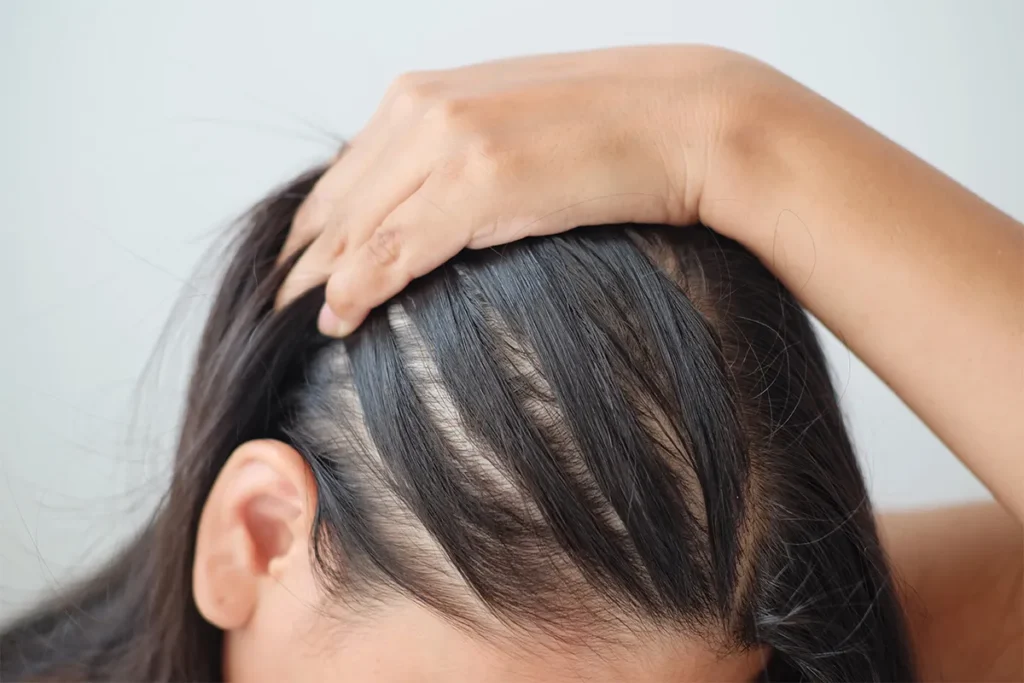
Scalp pain and hair loss can really upset you, affecting your comfort and mood. It’s more common than you think. About 32% of people with hair loss also have scalp sensitivity. Women are hit harder than men.
Scalp irritation can cause discomfort, flaking, and hair loss. This is due to dry skin, dandruff, allergies, and conditions like alopecia areata. The interconnection between scalp pain and hair loss shows we need good diagnosis and treatment.
At GoldCity Center, we use international medical knowledge and new treatments. We aim to help you feel better and restore your confidence.
Scalp pain female hair loss solutions that work. Use these power tips to stop the discomfort and achieve amazing regrowth for your hair.
Key Takeaways
Scalp pain and hair loss are interconnected conditions that significantly impact quality of life.
32% of patients with hair loss experience scalp sensitivity.
Women are more likely to be affected by scalp pain and hair loss.
Effective diagnosis and treatment are key for relief.
GoldCity Center offers innovative solutions for scalp pain and hair loss.
Understanding Scalp Pain and Female Hair Loss

Scalp pain and hair loss are more than just looks. They can signal serious health problems that affect women’s lives. About 32% of those with hair loss also have a sensitive scalp, with most being women.
Trichodynia, or burning scalp syndrome, often goes hand in hand with hair loss in women. Its exact cause is unknown, but it’s linked to hair loss conditions like androgenetic alopecia or telogen effluvium.
The Prevalence of Trichodynia in Women
Research shows trichodynia is common in women, mainly those losing hair. It can feel like burning, tenderness, or pain on the scalp. This can really lower a person’s quality of life.
The exact reason for trichodynia is not known. But it’s thought to be caused by hormonal changes, stress, and hairstyles that put pressure on the scalp.
How Neurogenic Inflammation Connects Pain and Hair Loss
Neurogenic inflammation links scalp pain and hair loss. It happens when neurotransmitters cause blood vessels to widen and mast cells to release, leading to inflammation and pain.
Knowing how neurogenic inflammation plays a part in trichodynia helps in finding treatments. These treatments aim to reduce pain and address the hair loss issue.
By seeing the connection between scalp pain and hair loss, doctors can give better care. This care tackles both symptoms and the root causes, helping women feel better overall.
5 Effective Solutions for Managing Scalp Pain and Hair Loss

If you’re dealing with a sore scalp and hair loss, there are ways to feel better and grow new hair. To tackle scalp pain and hair loss, you need a mix of treatments and lifestyle changes.
1. Anti-Inflammatory Treatments for Sensitive Scalps
Anti-inflammatory treatments are key for scalp pain, like trichodynia. Topical corticosteroids and anti-inflammatory medications can cut down inflammation and ease pain.
Corticosteroid creams or ointments applied directly to the scalp can reduce inflammation.
Nonsteroidal anti-inflammatory drugs (NSAIDs) may be recommended for managing pain and inflammation.
2. Gentle Hair Care Practices to Minimize Irritation
Using gentle hair care practices is vital for a healthy scalp. Choose mild shampoos, use less heat styling, and avoid harsh chemicals.
3. Nutritional Support for Scalp Health and Hair Growth
Not getting enough vitamins and minerals can lead to hair thinning and loss. Make sure you get enough iron, zinc, and biotin for a healthy scalp and hair.
4. Stress Reduction Techniques to Alleviate Trichodynia
Stress can make trichodynia and hair loss worse. Try stress reduction techniques like meditation, yoga, or deep breathing to help.
Meditation and mindfulness practices can reduce stress.
Regular exercise can help manage stress levels.
By adding these solutions to your daily life, you can manage scalp pain and hair loss. This leads to a healthier and more vibrant scalp.
Conclusion
Fixing tender scalp and hair loss needs a full plan. This plan should include good hair care and effective solutions. Knowing how scalp pain and hair thinning are connected is the first step to a healthier scalp and fuller hair.
Scalp sensitivity and thinning hair often come from issues like neurogenic inflammation. Using anti-inflammatory treatments and reducing stress can help. This can ease sore scalp alopecia and help hair grow.
Keeping the scalp healthy is key to avoiding painful hair loss. Mixing gentle hair care with good nutrition can bring out a radiant glow. This approach can lead to a beauty transformation that shines from within.
By focusing on scalp health and solving problems like alopecia scalp pain, you can start a journey to healthier, fuller hair. Using natural luxury and potent ingredients can lead to a beauty evolution. This leaves you with a confident, radiant glow.
FAQs
What is the connection between scalp pain and hair loss?
Scalp pain and hair loss are linked. Conditions like trichodynia can cause discomfort and hair shedding. Neurogenic inflammation plays a role in both.
How common is scalp sensitivity and hair loss in women?
Scalp sensitivity and hair loss are common in women. Trichodynia affects many. Hormonal changes, stress, and genetics are factors.
Can anti-inflammatory treatments help alleviate scalp pain and hair loss?
Yes, anti-inflammatory treatments can reduce scalp pain and support hair growth. They are proven to manage these issues.
What gentle hair care practices can help minimize scalp irritation?
Gentle hair care is key. Use sulfate-free shampoos and avoid heat styling. Be gentle when combing or brushing to reduce irritation.
How does stress contribute to scalp pain and hair loss?
Stress can worsen scalp pain and hair loss. It triggers inflammation and disrupts hair growth. Reducing stress through meditation and yoga can help.
What nutritional supplements can support scalp health and hair growth?
Supplements like biotin, vitamin B, and omega-3 fatty acids support scalp health and hair growth. A balanced diet is also important for healthy hair.
Can scalp pain be a sign of an underlying medical condition?
Yes, scalp pain can signal a medical issue like a scalp infection or autoimmune disorder. It’s important to see a healthcare professional to rule out conditions.
How can I reduce scalp pain associated with hair loss?
To reduce scalp pain and hair loss, use gentle hair care, anti-inflammatory treatments, and stress reduction. Nutritional support is also key. A healthcare professional can guide the best treatment.
References
National Center for Biotechnology Information. Evidence-Based Medical Insight. Retrieved from https://pubmed.ncbi.nlm.nih.gov/12451381/


