
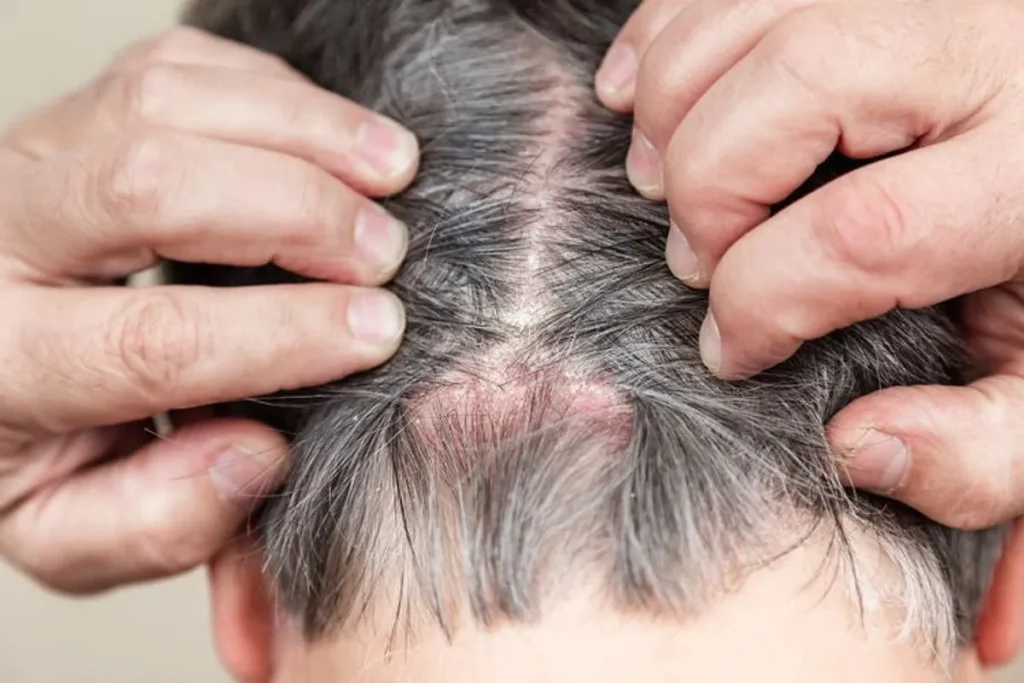
Scalp pain and hair loss together can be really tough. Studies reveal millions face this issue, hitting about 32 percent of hair loss cases.
It’s important to see how scalp sensitivity affects hair health. At GoldCity Center, they treat both scalp pain and hair loss. This helps people feel better and more confident again.
Key Takeaways
Scalp pain and hair loss are interconnected conditions.
A significant percentage of hair loss patients experience scalp sensitivity.
Understanding the root cause is key for effective treatment.
GoldCity Center offers expert care for scalp pain and hair loss.
Addressing both conditions together is key to regaining comfort and confidence.
Understanding the Connection Between Scalp Pain and Hair Loss

It’s important to know how scalp pain and hair loss are connected. Trichodynia, or scalp pain, is more common in women. About 20 percent of women experience it, compared to 9 percent of men. This shows we need to look into the causes and effects of trichodynia.
What is Trichodynia?
Trichodynia is caused by neurogenic inflammation. This happens when neurotransmitters like substance P and calcitonin gene-related peptide are released. These chemicals cause blood vessels to widen and affect nerve endings in the scalp, leading to pain and sensitivity.
Stress and environmental factors can trigger the release of these neurotransmitters. This can lead to hair loss because the inflammation and sensitivity harm the hair follicles.
How Scalp Sensitivity Affects Hair Follicles
Scalp sensitivity, a key feature of trichodynia, can harm hair follicles. The inflammation from neurogenic factors can weaken hair follicles. This can cause hair loss.
Looking closely at how scalp sensitivity affects hair follicles shows a complex mix of neurological and dermatological factors. The table below highlights the main points of this relationship.
By understanding the link between scalp pain and hair loss, we can find better treatments for both.
Common Causes of Scalp Pain Hair Loss
Scalp pain and hair loss can be scary. But knowing what causes them can help. Many things can lead to these problems, from health issues to things outside our bodies.
Medical Conditions
Some health problems can make your scalp hurt and hair fall out. Telogen effluvium and alopecia areata are two common ones. Telogen effluvium makes you lose a lot of hair, often because of stress or changes in hormones. Alopecia areata causes hair loss in patches and can make your scalp sore.
Other health issues like scalp psoriasis, seborrheic dermatitis, and occipital neuralgia can also cause pain. Scalp psoriasis makes your scalp red and scaly. Seborrheic dermatitis causes flaky, itchy skin. Occipital neuralgia is when nerves in your scalp get inflamed, leading to sharp pains.
It’s important to know about these conditions to find the right treatment. For example, treatments for alopecia areata might include corticosteroid shots or special creams.
External Factors
Things outside our bodies can also hurt our scalp and make hair fall out. Using harsh hair products or styling with too much heat can damage hair follicles. Tight hairstyles, like braids or ponytails, can cause hair loss too.
Environmental factors and our lifestyle choices can also affect our scalp. Stress and not eating well can make scalp problems worse. Eating foods that help hair grow, like biotin and vitamin E, is important.
Eating right is just one part of keeping your scalp healthy. Reducing stress and being gentle with your hair can also help prevent scalp pain and hair loss.
5 Effective Solutions to Relieve Scalp Pain and Prevent Hair Loss

To fight tender scalp and hair loss, a complete plan is needed. This plan should include gentle care and specific treatments. Knowing why scalp pain and hair loss happen is the first step to feeling better.
Gentle Hair Care Routine
Using a gentle hair care routine is key to easing scalp pain. Choose mild shampoos and avoid too much heat styling. Harsh chemicals and too much heat can make scalp pain worse, causing more hair loss.
When picking hair care products, look for ones that help the scalp. Natural ingredients like aloe vera and coconut oil can calm and moisturize the scalp, helping hair grow.
Anti-Inflammatory Treatments
Anti-inflammatory treatments can help if you have scalp pain and hair loss. These treatments aim to reduce scalp sensitivity, helping it heal.
There are many treatments, including over-the-counter and prescription meds, and natural options like tea tree oil. It’s important to talk to a dermatologist to find the right treatment for you.
Scalp Massage and Stress Management
Stress management and scalp massage can help with sore scalp and hair loss. Scalp massage boosts blood flow, helping hair grow and easing tension.
Techniques like meditation and yoga can also lower stress. This can help ease scalp pain.
Nutritional Support
Good nutrition is key for healthy hair follicles and preventing loss. Eating a balanced diet with vitamins and minerals, like biotin and vitamin D, is important.
Biotin: Promotes hair growth and strengthens hair follicles
Vitamin D: Essential for overall hair health
Omega-3 Fatty Acids: Nourishes the scalp and promotes healthy hair
By using these five solutions every day, you can feel better from scalp pain and help your hair grow. It’s about caring for your scalp in a holistic way, tackling symptoms and causes.
Conclusion
Dealing with scalp pain and hair loss needs a mix of understanding causes, finding good solutions, and keeping the scalp healthy. Knowing how scalp health and hair loss are linked is the first step to feeling better.
Using gentle hair care, anti-inflammatory treatments, scalp massage, and eating right can help a lot. This way, people can feel more confident about their hair, bringing out a natural glow and timeless beauty.
By focusing on scalp health, people can beat scalp pain and hair loss. This makes their beauty routine better and starts a journey to luxury and modern style.
FAQ
What is trichodynia and how is it related to hair loss?
Trichodynia, or scalp pain, is linked to hair loss. Studies show many people with hair loss also have sensitive scalps.
Can harsh hair care practices cause scalp pain and hair loss?
Yes, rough hair care and tight hairstyles can hurt your scalp and cause hair loss. Being gentle and avoiding heat styling can help.
How can I relieve scalp pain and promote hair growth?
Use a soft hair care routine and anti-inflammatory treatments. Also, try scalp massage, manage stress, and eat well to help your scalp and hair.
What medical conditions are associated with scalp pain and hair loss?
Conditions like telogen effluvium and alopecia areata can cause scalp pain and hair loss. Knowing your condition helps find the right treatment.
How does stress affect scalp health and hair loss?
Stress can make your scalp tense and inflamed, leading to hair loss. Stress-reducing activities like meditation can help your scalp and hair.
What role does nutrition play in maintaining healthy hair follicles?
Eating well is key for healthy hair follicles. A diet full of vitamins and minerals supports hair growth and eases scalp pain.
Can scalp massage help alleviate scalp pain and promote hair growth?
Yes, scalp massage can reduce tension and improve blood flow. This helps ease pain and encourages hair growth.
How can I manage scalp sensitivity and hair loss together?
Understanding the link between scalp health and hair loss is important. Use gentle hair care, anti-inflammatory treatments, and massage. Also, manage stress and eat well for overall scalp and hair health.
References
National Center for Biotechnology Information. Evidence-Based Medical Insight. Retrieved from https://pmc.ncbi.nlm.nih.gov/articles/PMC9527678/


