

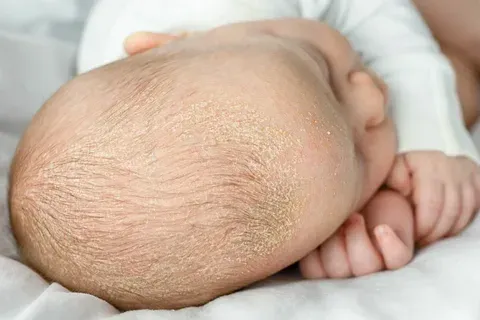
Seeing a bald spot on your child’s head can be scary. But, it’s usually something that can be fixed and isn’t permanent. Hair loss, also known as alopecia, can result from various factors. This includes autoimmune disorders, fungal infections, tight hairstyles, or stress.
Seeing a small bald spot on scalp child? Get fast help and discover amazing, gentle ways to treat pediatric hair loss safely today.
At GoldCity Center, our team of pediatric dermatologists is here to help. We focus on finding out why your child is losing hair. We’ll look into the possible reasons for toddler bald spot and help you find the right treatment.
Key Takeaways
Childhood hair loss can be caused by various medical conditions.
Alopecia areata is a common autoimmune disorder that can lead to hair loss.
Traction alopecia is caused by tight hairstyles that pull on the hair.
Telogen effluvium is a condition that can cause excessive hair shedding.
A prompt evaluation by a qualified healthcare provider is essential for addressing the issue.
Common Causes of Childhood Hair Loss
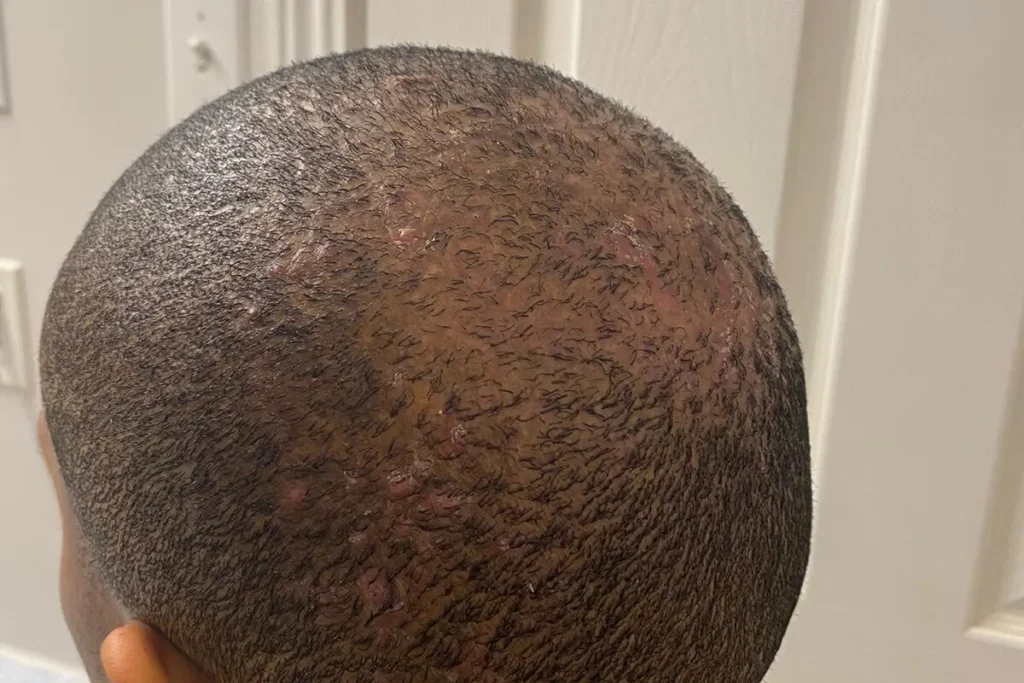
Hair loss in kids can come from many reasons. It can be normal shedding or serious health issues. Knowing the causes helps parents find the right solution for their child.
Normal Hair Loss vs. Concerning Patterns
It’s key to tell normal hair loss from signs of a bigger problem. Normal hair shedding happens when kids lose hair like adults do. But, concerning patterns show up as too much shedding, bald spots, or hair loss with redness or scaling.
Normal hair loss spreads out evenly on the scalp.
Patterns that worry you show up as clear bald spots or uneven hair loss.
Physical and Environmental Factors
Physical and environmental factors greatly affect hair loss in kids. Tight hairstyles, like braids or ponytails, can cause traction alopecia. This is when constant pulling on the hair leads to loss. Also, tinea capitis, a scalp fungus, can make kids lose hair.
Preventing traction alopecia means avoiding tight hairstyles.
Tinea capitis needs treatment with antifungal meds.
Risk Factors for Developing Bald Spots
Some factors make kids more likely to get bald spots. These include genetic predispositions, certain medical conditions, and nutritional deficiencies. Knowing these can help spot and manage hair loss early.
Having a family history of autoimmune diseases like alopecia areata raises risk.
Thyroid disorders or skin conditions can also lead to hair loss.
Lacking essential nutrients like iron or zinc can harm hair health.
Understanding Small Bald Spot on Scalp Child Conditions

When a child gets a small bald spot on their scalp, parents worry. They wonder what might be causing it. Several medical conditions can cause hair loss in kids. Knowing about these conditions helps find the right treatment.
Alopecia Areata: The Autoimmune Connection
Alopecia areata is an autoimmune disease. It makes the immune system attack hair follicles, causing hair loss. This can lead to small, round bald spots on the scalp. It’s important to know that alopecia areata is not contagious and can be treated.
The exact cause of alopecia areata is not fully understood. But research points to a mix of genetics and environment. Common symptoms include:
Smooth, round bald spots on the scalp
Hair loss on other parts of the body
Nail changes, such as brittleness or pitting
Tinea Capitis: Fungal Infections of the Scalp
Tinea capitis, or ringworm of the scalp, is a fungal infection. It causes hair loss and scalp irritation. This condition is contagious and can spread through contact with an infected person or objects. Prompt treatment with antifungal medications is key to prevent further issues.
Signs of tinea capitis include:
Red, itchy patches on the scalp
Brittle or broken hair
Swollen lymph nodes
Traction Alopecia: Damage from Tight Hairstyles
Traction alopecia happens when hair is pulled too tight. This damages the hair follicles. It’s often seen in tight hairstyles like braids, ponytails, or cornrows. To avoid traction alopecia, choose hairstyles that don’t pull too hard on the hair.
Telogen Effluvium: Stress-Induced Hair Loss
Telogen effluvium is caused by stress, leading to a lot of hair shedding. It can be triggered by physical or emotional stress, hormonal changes, or certain medications. Understanding the cause is key to managing telogen effluvium and helping hair grow back.
Common symptoms of telogen effluvium include:
Excessive hair shedding
Hair loss on the scalp
Changes in hair texture or growth patterns
Diagnosis and Treatment Approaches
Diagnosing and treating bald spots in kids starts with finding the cause. Early checks by a doctor are key to finding the right treatment.
When to Seek Medical Evaluation
If your child has a bald spot, see a doctor right away. A dermatologist will check your child’s scalp, ask about their health, and might do tests. Don’t wait to get medical help if you see unusual hair loss or other signs.
Keep an eye on your child’s hair. If the bald spot has redness, scaling, or swelling, get help fast.
Diagnostic Methods for Pediatric Hair Loss
A dermatologist uses different ways to find the cause of hair loss, like:
Looking at the scalp
Asking about health history
Doing skin scrapings or biopsies
Treatment Options for Different Conditions
Treatments change based on the cause. For fungal infections, antifungal meds might be used. For alopecia areata, corticosteroids or immunotherapy could be options.
Each treatment is chosen based on the diagnosis to help your child the most.
Prognosis and Recovery Timeline
Knowing what to expect helps parents support their kids. The outcome depends on the cause and treatment.
In some cases, hair grows back naturally. In others, treatment is needed to help it grow. A dermatologist can guide you on what to expect and how to help your child recover.
Conclusion: Supporting Your Child Through Hair Loss
Seeing a bald spot on your child’s head can worry you. But, most hair loss in kids is not permanent. With the right care, your child can get their hair back and feel confident again.
You are key in helping your child through hair loss. Working with doctors, you can find the best treatment. Many kids see their hair grow back in months to a year with the right help.
Supporting your child means being patient and understanding. Being open and honest helps them feel better. If your child has a bald spot or thinning hair, get them checked by a doctor. This way, you can find out why and how to fix it.
FAQ
What causes bald spots on a child’s scalp?
Bald spots can come from many things. This includes autoimmune disorders like alopecia areata. Also, fungal infections like tinea capitis can cause it. Tight hairstyles and stress can also lead to hair loss.
Is hair loss in children permanent?
Most of the time, hair loss in kids isn’t permanent. With the right treatment, they can get their hair back.
How is the underlying cause of a child’s bald spot diagnosed?
A dermatologist uses a few ways to find out why a child lost hair. They look at the scalp, ask about the child’s health, and might do tests.
What is alopecia areata, and how does it affect children?
Alopecia areata is when the immune system attacks hair follicles. This leads to hair loss. It can happen to kids, causing bald spots.
Can tight hairstyles cause hair loss in children?
Yes, tight hairstyles can damage hair follicles. This is called traction alopecia and can cause hair loss.
How can stress cause hair loss in children?
Stress can make kids shed more hair. This is called telogen effluvium. It can lead to hair loss.
What are the treatment options for bald spots on a child’s scalp?
Treatment depends on why the hair loss happened. A dermatologist will suggest the best treatment. This could be medicine, changing how the child lives, or other steps.
How can I support my child through hair loss?
As a parent, you’re key in helping your child with hair loss. Work with doctors, offer emotional support, and help them through the recovery.
Can a fungal infection cause bald spots on a child’s scalp?
Yes, tinea capitis, or ringworm, is a fungal infection. It can cause hair loss and scalp irritation, leading to bald spots.
Why is my 3-year-old’s hair falling out?
Hair loss in a 3-year-old can be from many things. This includes autoimmune disorders, fungal infections, tight hairstyles, or stress. It’s important to see a dermatologist to find out why.
References
National Center for Biotechnology Information. Evidence-Based Medical Insight. Retrieved from https://pubmed.ncbi.nlm.nih.gov/31195774/


