

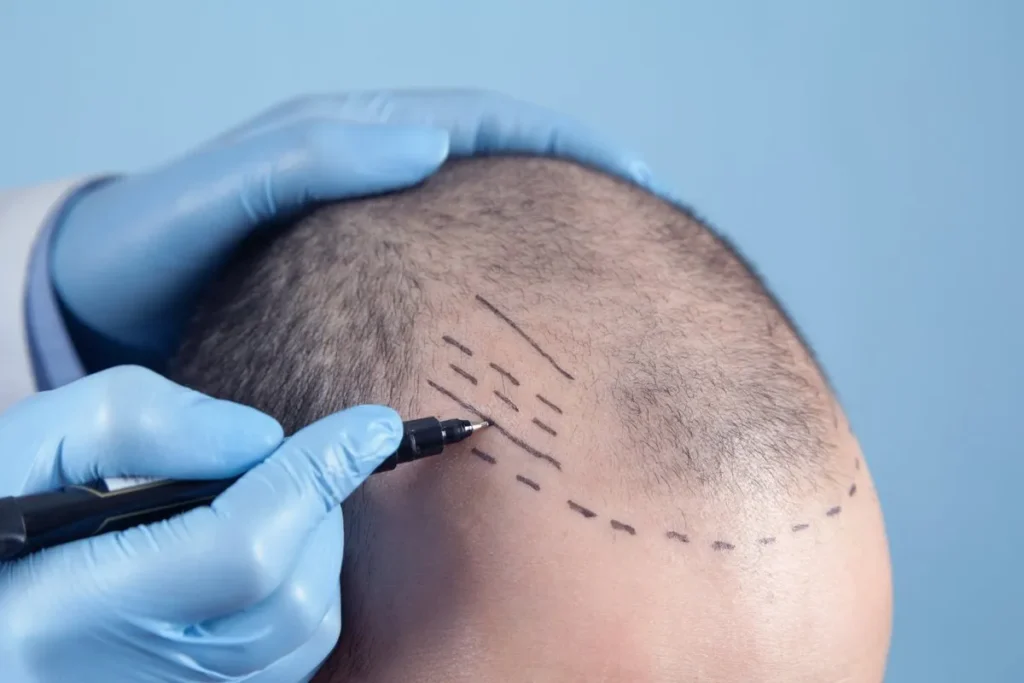
Frontal Fibrosing Alopecia (FFA) affects millions globally, leading to hair loss in the front and eyebrows, mainly in postmenopausal women. Early diagnosis and treatment are key to avoid permanent hair loss and keep the scalp healthy.
Discover solutions for frontal hair loss that offer amazing results. Use these powerful treatments to stop recession and regrow your hair.
At GoldCity Center, our dermatology team is dedicated to diagnosing and treating FFA with the latest methods. We focus on quality, ethical care and frontal fibrosing alopecia treatments that aim for your long-term health.
Key Takeaways
Frontal Fibrosing Alopecia is a common condition in older women, characterized by a receding hairline.
Early treatment can help slow or stop hair loss.
Proper diagnosis is essential for effective treatment.
GoldCity Center offers cutting-edge treatments for FFA.
A personalized approach ensures the best possible outcomes.
Understanding Frontal Fibrosing Alopecia

It’s important to understand Frontal Fibrosing Alopecia to find the right treatments. This condition, known as FFA, is a common hair loss issue, mainly seen in women after menopause.
What is Frontal Fibrosing Alopecia?
FFA is a type of hair loss that affects the front hairline. It’s caused by inflammation and fibrosis of the scalp. If not treated, it can permanently damage hair follicles. This leads to a receding hairline and often, the loss of eyebrows.
Who is Affected?
FFA mainly hits post-menopausal women. But it can also affect pre-menopausal women and men. The exact cause is unknown, but hormonal changes and genetics are thought to play a role.
Signs and Progression
The signs of FFA include a receding hairline and eyebrow loss. It progresses slowly, and its severity varies. Catching it early is key to managing it well.
Effective Solutions for Frontal Hair Loss

Starting to treat frontal fibrosing alopecia begins with early diagnosis. This is a key step in managing the condition effectively. Early detection leads to timely treatment, which can greatly improve the outcome.
Importance of Early Diagnosis
Frontal fibrosing alopecia needs quick attention. Experts say, “Early diagnosis is key to managing frontal fibrosing alopecia effectively.” Recognizing the signs and understanding the condition’s progression helps create a tailored treatment plan.
Medication-Based Treatments
There are several medication-based treatments for frontal fibrosing alopecia. These include:
Steroid Creams or Shots: They reduce inflammation and slow hair loss.
Minoxidil: A topical solution that promotes hair growth.
Finasteride: An oral medication that reduces hair loss.
Hydroxychloroquine: An anti-malarial drug that may treat frontal fibrosing alopecia.
Combination Therapy Approaches
Combining treatments often gives the best results. Combining therapies like steroid creams with minoxidil or finasteride can make treatment more effective. A leading dermatologist notes, “Combination therapy can be very beneficial for managing frontal fibrosing alopecia.”
Lifestyle and Symptom Management
Managing frontal fibrosing alopecia involves more than just medical treatments. Lifestyle adjustments are also key. Eating well, reducing stress, and avoiding harsh hair care products can help manage symptoms and slow the condition’s progression.
By using a complete approach that includes early diagnosis, medication, combination therapy, and lifestyle changes, people can manage frontal fibrosing alopecia better. This can improve their quality of life.
Conclusion
Frontal Fibrosing Alopecia (FFA) is a complex condition that needs a detailed treatment plan. There’s no single cure, but different treatments can slow or stop hair loss. Knowing the signs and how it progresses is key for early diagnosis and treatment.
People with FFA can explore treatments like medications and combination therapies. Resources from places like DermNet offer important information on managing the condition. By staying informed and getting the right medical care, individuals can manage FFA better and improve their quality of life.
Effectively dealing with FFA requires a mix of medical treatment, lifestyle changes, and managing symptoms. Understanding the condition and the available treatments is the first step towards regaining hair health and confidence.
FAQ
What is Frontal Fibrosing Alopecia (FFA)?
Frontal Fibrosing Alopecia (FFA) is a condition that causes hair loss. It mainly affects the hairline, mostly in women after menopause.
What are the signs and symptoms of FFA?
Signs of FFA include a receding hairline and scarring. These can lead to permanent hair loss if not treated.
Who is most affected by Frontal Fibrosing Alopecia?
Women after menopause are most affected by FFA. But it can also happen to men and women before menopause.
What is the importance of early diagnosis in treating FFA?
Early diagnosis is key in treating FFA. It allows for timely treatment. This can stop or slow the condition and prevent more hair loss.
What are the available treatments for Frontal Fibrosing Alopecia?
Treatments for FFA include medications like corticosteroids. Combination therapy, which includes several medications and lifestyle changes, is also used.
Can lifestyle changes help manage FFA symptoms?
Yes, lifestyle changes can help manage FFA symptoms. Eating well, reducing stress, and avoiding harsh hair products can slow the condition’s progression.
Is there a cure for Frontal Fibrosing Alopecia?
There’s no cure for FFA, but treatments can control it. They can reduce symptoms and prevent more hair loss.
What is the role of combination therapy in treating FFA?
Combination therapy is effective in treating FFA. It allows for a personalized approach to manage the condition’s complexity and individual needs.
How can I manage frontal hair loss caused by FFA?
Managing frontal hair loss from FFA requires medical treatments and lifestyle changes. Hair care modifications can also help minimize loss and promote scalp health.
References
National Center for Biotechnology Information. Evidence-Based Medical Insight. Retrieved from https://pubmed.ncbi.nlm.nih.gov/26979382/


