

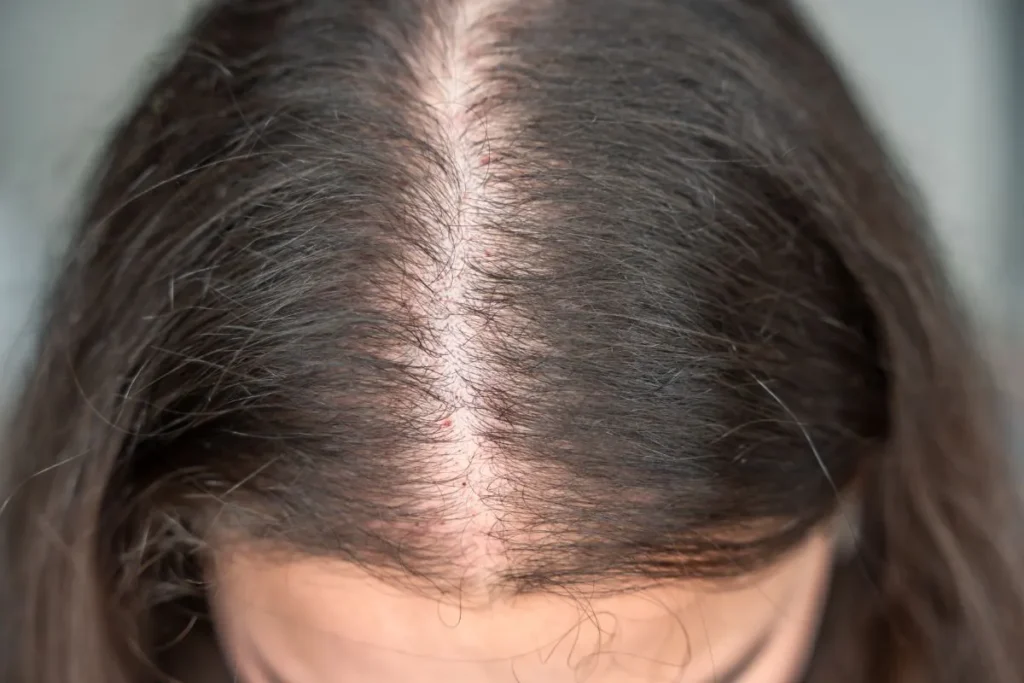
Feeling worried about hair loss and a sore scalp is normal. Knowing what causes it is the first step to feeling better. Sore scalp alopecia is a big problem, affecting millions. Studies show that about 32 percent of people with hair loss also have a sensitive scalp.
Hair loss is a common issue for both men and women. Finding hair in your pillow or hairbrush can be scary. It’s important to tackle scalp sensitivity to feel better and keep your scalp healthy.
Understanding the connection between sensitive scalp and hair loss is the first step to feeling better. There are effective remedies and professional advice to help. They can help you feel more confident and have a healthier scalp.
Key Takeaways
Approximately 32 percent of hair loss patients experience scalp sensitivity.
Hair loss can be caused by various factors, including autoimmune conditions and stress.
Addressing scalp sensitivity is key to feeling better.
Effective remedies and professional advice can improve scalp health.
Knowing the link between scalp sensitivity and hair loss is essential for relief.
Understanding Sore Scalp Alopecia and Its Prevalence

Trichodynia, a condition of scalp sensitivity, is more common than you might think. Research shows that sensitive scalp issues often happen with different types of alopecia. This makes it a big worry for those losing their hair.
The Science Behind Trichodynia
The term trichodynia refers to pain or burning on the scalp, usually in areas losing hair. This condition can really affect a person’s life. It impacts not just their physical comfort but also their mental health.
Studies link trichodynia to various alopecia types, like alopecia areata and androgenetic alopecia. Knowing what causes trichodynia is key to finding good treatments.
Who Is Most Affected by Scalp Sensitivity
Women make up about 84 percent of those with both sensitive scalp and hair loss. This shows that hormones might play a part in trichodynia in women.
Also, stress or anxiety can make scalp sensitivity worse. To help, try relaxation methods and keep your scalp care routine healthy. This can ease symptoms.
Common Causes of Painful Scalp and Hair Loss

It’s important to know why a sore scalp and hair loss happen. Many things can cause these problems, like autoimmune diseases, hormonal issues, and genetics.
Autoimmune Factors in Alopecia Areata
Alopecia areata is when your immune system attacks hair follicles. This leads to hair loss and a sore scalp. It’s a condition that can cause a lot of stress because of its unpredictable nature and visible signs.
Key characteristics of alopecia areata include:
Patchy hair loss
Scalp inflammation
Autoimmune response
Studies on alopecia areata show it’s linked to other autoimmune diseases. This suggests a complex relationship between the immune system and hair loss.
Telogen Effluvium and Scalp Sensitivity
Telogen effluvium causes a lot of hair shedding. It’s often due to stress, hormonal changes, or not getting enough nutrients. This condition can make your scalp sensitive and is a common reason for hair loss.
Androgenetic Alopecia and Tender Scalp Connection
Androgenetic alopecia, or male/female pattern baldness, is a genetic condition. It causes hair to thin and fall out. The scalp becomes more sensitive because of hormonal effects on hair follicles.
Factors contributing to androgenetic alopecia:
Genetic predisposition
Hormonal influences (androgens)
Aging
Knowing about these conditions and how they affect scalp health is key. It helps in creating effective treatments that tackle both symptoms and underlying causes.
7 Effective Remedies for Sore Scalp Alopecia
Discover natural remedies to soothe sore scalp alopecia and promote hair growth. Managing sore scalp alopecia can be tough, but the right approach can help. These remedies aim to ease symptoms and support a healthy scalp.
Gentle Scalp Massage with Appropriate Techniques
Gentle scalp massage is a simple yet effective remedy. It boosts blood flow, reducing inflammation and promoting hair growth. Use your fingertips to massage your scalp in circular motions, focusing on sensitive areas. Regular massage can lead to significant improvements in scalp health.
Essential Oil Treatments for Inflammation Relief
Certain essential oils have anti-inflammatory properties. Oils like lavender, rosemary, and tea tree oil can calm a sore scalp. Always dilute essential oils with a carrier oil before applying them to the scalp to avoid irritation.
Anti-Inflammatory Topical Applications
Topical applications with anti-inflammatory ingredients can offer targeted relief. Ingredients like aloe vera, onion extract, and fenugreek seeds reduce inflammation and promote a healthy scalp. Look for products with these natural ingredients.
Dietary Adjustments to Support Scalp Health
A well-balanced diet is key for a healthy scalp. Foods rich in omega-3 fatty acids, zinc, and biotin help reduce inflammation and promote hair growth. Incorporate these nutrients into your diet to support scalp health.
By exploring these 7 effective remedies for sore scalp alopecia, you can find the right combination to alleviate your symptoms and promote a healthy, vibrant scalp.
Conclusion: When to Consult a Dermatologist
If you’re seeing sudden, severe hair loss or patchy bald spots, it’s time to see a dermatologist. Scalp irritation, redness, or scaling are also signs to look out for. Scalp pain or sensitivity could mean there’s an issue that needs a doctor’s help.
Scalp pain or tenderness when touched is a clear sign to get medical help. A dermatologist can find out what’s causing your scalp problems. This could be hair loss, sensitivity, or something else.
If your scalp is extremely tender or your skull hurts to touch, don’t wait. Seeing a dermatologist can help you find the right treatment. This way, you can get your scalp healthy and glowing again.
FAQ
What is sore scalp alopecia, and how is it related to hair loss?
Sore scalp alopecia is a condition where people feel scalp sensitivity and lose hair. It can be caused by autoimmune disorders, stress, and genetics. This leads to inflammation and discomfort, causing hair loss.
Why is my scalp sensitive to touch, and what are the possible causes?
Scalp sensitivity can stem from many things. This includes autoimmune disorders, telogen effluvium, and androgenetic alopecia. Tight hairstyles or harsh hair care products can also cause it. Knowing the cause is key to solving the problem.
Can scalp sensitivity be a sign of an underlying medical condition?
Yes, scalp sensitivity can signal an underlying medical issue. For example, alopecia areata, an autoimmune disorder, can cause hair loss. Other conditions like thyroid disorders or skin issues can also lead to sensitivity.
How can I alleviate scalp tenderness and promote hair health?
To ease scalp tenderness, try gentle scalp massage and essential oil treatments. Anti-inflammatory creams can also help. Eating more omega-3 fatty acids and vitamins supports scalp health and hair growth.
What are some home remedies for a sore scalp?
For a sore scalp, try gentle scalp massage and using coconut or olive oil. A warm compress can also reduce inflammation. Avoid harsh hair care products and manage stress to help.
When should I consult a dermatologist for scalp pain and hair loss?
See a dermatologist for persistent or severe scalp pain, significant hair loss, or signs of infection. This includes redness or pus. They can diagnose and treat the cause effectively.
Can dietary changes help alleviate scalp sensitivity and promote hair health?
Yes, changing your diet can help with scalp sensitivity and hair health. Increase omega-3 fatty acids, vitamins, and minerals. Also, reduce foods that cause inflammation to support scalp health.
Is scalp sensitivity a common symptom among individuals with hair loss?
Yes, scalp sensitivity is common in those with hair loss. This includes people with alopecia areata or androgenetic alopecia. Treating sensitivity is key to managing hair loss.
Can stress contribute to scalp sensitivity and hair loss?
Yes, stress can lead to scalp sensitivity and hair loss. High stress can cause inflammation and disrupt hair growth. Stress management through relaxation and self-care can help alleviate sensitivity.
References
New England Journal of Medicine. Evidence-Based Medical Insight. Retrieved from https://www.nejm.org/doi/full/10.1056/NEJMoa2110343


