

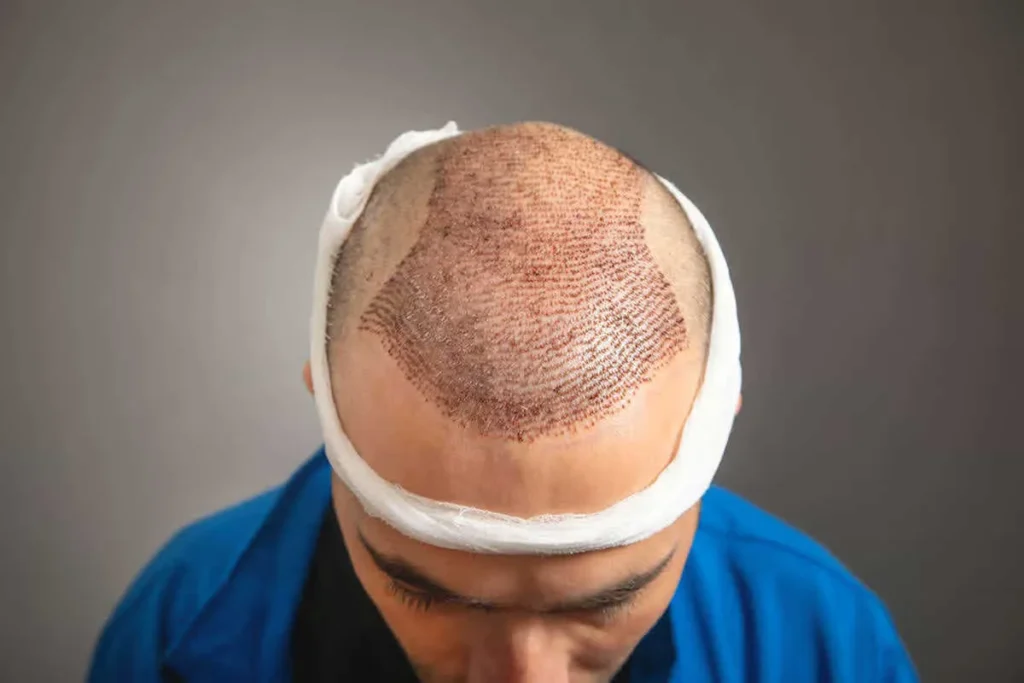
Using steroids can lead to an unexpected side effect: hair loss. This is true for both anabolic steroids and corticosteroids like prednisone. The big question is, can the lost hair grow back?
It’s important to understand how steroids cause hair loss. Anabolic steroids are synthetic versions of testosterone. They can increase dihydrotestosterone (DHT) levels. This leads to hair follicle miniaturization, causing thinner, shorter hairs and even balding.
Steroids and hair loss—get the shocking truth. Learn how to protect your hair with powerful tips and amazing restoration secrets now.
Key Takeaways
The relationship between steroid use and hair loss is complex.
Anabolic steroids can lead to increased DHT levels, causing hair follicle miniaturization.
The chance for hair to grow back after stopping steroid use varies.
Understanding the mechanisms behind steroid-induced hair loss is key.
Factors like the type and duration of steroid use affect recovery from hair loss.
Understanding Steroids and Hair Loss Mechanisms

Steroids can affect hair growth in different ways. This depends on the type of steroid and the person’s genes. Knowing how steroids impact hair loss is key.
Anabolic Steroids and DHT Conversion
Anabolic steroids are synthetic testosterone used to build muscle. They can raise dihydrotestosterone (DHT) levels in the body. DHT makes hair follicles shrink, leading to thinner, shorter hairs.
This is a big problem for people prone to baldness. The enzyme 5-alpha-reductase turns testosterone into DHT. Anabolic steroids boost this process, raising DHT levels and increasing hair loss risk. Those with a family history of baldness are at higher risk because their hair follicles are more sensitive to DHT.
Corticosteroids and Disruption of Hair Growth Cycle
Corticosteroids are anti-inflammatory drugs used for conditions like asthma and arthritis. They can cause hair loss, but their effect is different from anabolic steroids. Corticosteroids can upset the hair growth cycle by causing hormonal imbalances and stress.
Long-term use of corticosteroids, at high doses, can lead to hair loss. They can disrupt the body’s natural hormonal balance, affecting hair growth patterns. The risk of hair loss from corticosteroids is linked to long-term use, not short-term treatment.
Risk Factors for Steroid-Induced Hair Loss

Genetic predisposition, the type of steroid used, and individual health conditions all play a role in determining the risk of hair loss. Understanding these factors can help individuals make informed decisions about steroid use.
Genetic Predisposition and Family History
Your family history plays the most significant role in determining your susceptibility to steroid-induced hair loss. If male or female pattern baldness runs in your family, steroids may trigger or accelerate this genetic predisposition. According to a 2022 NCBI book chapter, even normal androgen levels can cause hair loss if genetic susceptibility exists.
Key factors to consider:
Family history of male or female pattern baldness
Genetic susceptibility to hair loss
Type of steroid used and its androgenic properties
Approximately 14% of men experience steroid-induced hair loss, with the risk dramatically increasing for those with a family history of baldness. In females, anabolic steroids may trigger diffuse scalp thinning, unlike the receding patterns seen in males.
Gender Differences in Steroid-Related Hair Loss
Gender differences also play a significant role in how steroids affect hair loss. Men are more likely to experience hair loss due to steroid use, mainly if they have a genetic predisposition to male pattern baldness. Women, on the other hand, may experience diffuse hair thinning across the scalp.
The impact of steroids on hair loss can vary significantly between genders. Understanding these differences is essential for managing and mitigating the risks associated with steroid use.
Gender-specific risks:
Men: Increased risk of male pattern baldness, specially with a family history.
Women: Diffuse hair thinning across the scalp.
By understanding the risk factors associated with steroid-induced hair loss, individuals can take proactive steps to minimize their risk. This includes being aware of their genetic predisposition, the type of steroid used, and how these factors interplay.
Steroids and Hair: Recovery and Regrowth Possibilities
Steroids can affect hair loss in complex ways. The chance of hair growing back depends on how much damage is done. If steroids cause hair to fall out temporarily, stopping them might help it grow back in a few months.
But, if steroids make hair loss worse, getting it to grow back might be harder. Knowing what affects hair growth can help people take steps to improve their hair health. Can steroids make you lose your hair permanently? It really depends on why you’re losing your hair.
Stopping steroid use is often the first step to recovery. Sometimes, steroids and hair loss are connected. Fixing the underlying issue can help your hair grow back. Do steroids make your hair fall out? Steroids can lead to hair loss, but it varies by person and the steroid type.
How much hair can grow back depends on the damage and treatment success. Understanding the link between steroids and hair loss helps people make better choices for their hair.
FAQ
Do steroids cause hair loss?
Yes, steroids, like anabolic steroids, can cause hair loss. They increase DHT, which shrinks hair follicles. Corticosteroids can also mess up the hair growth cycle, leading to hair loss.
Can hair loss from steroids be permanent?
Hair loss from steroids might not always be permanent. If it’s just temporary shedding, stopping steroids might help your hair grow back. But, if steroids make androgenetic alopecia worse, getting your hair back might be harder.
Are some people more prone to steroid-related hair loss?
Yes, some people are more likely to lose hair from steroids. This includes those with a family history of baldness or a genetic tendency to lose hair.
How do anabolic steroids affect hair growth?
Anabolic steroids raise DHT levels. This can shrink hair follicles, mainly in people who are already prone to balding.
Can corticosteroids cause hair loss?
Yes, corticosteroids can mess up the hair growth cycle. This might lead to hair loss.
Will my hair grow back after I stop taking steroids?
If you stop using steroids, your hair might grow back if the loss was temporary. But, it depends on how much damage was done to your hair follicles and other factors.
Do steroids cause hair loss in females?
Yes, females can also lose hair from steroids. This is more likely if they have a family history of female pattern baldness or are genetically predisposed to it.
Is hair loss from steroids reversible?
Whether hair loss from steroids is reversible depends on the damage to hair follicles and individual factors. In some cases, hair can grow back after stopping steroids or with the right treatment.
References
National Center for Biotechnology Information. Evidence-Based Medical Insight. Retrieved from https://pmc.ncbi.nlm.nih.gov/articles/PMC11931090/[5


