

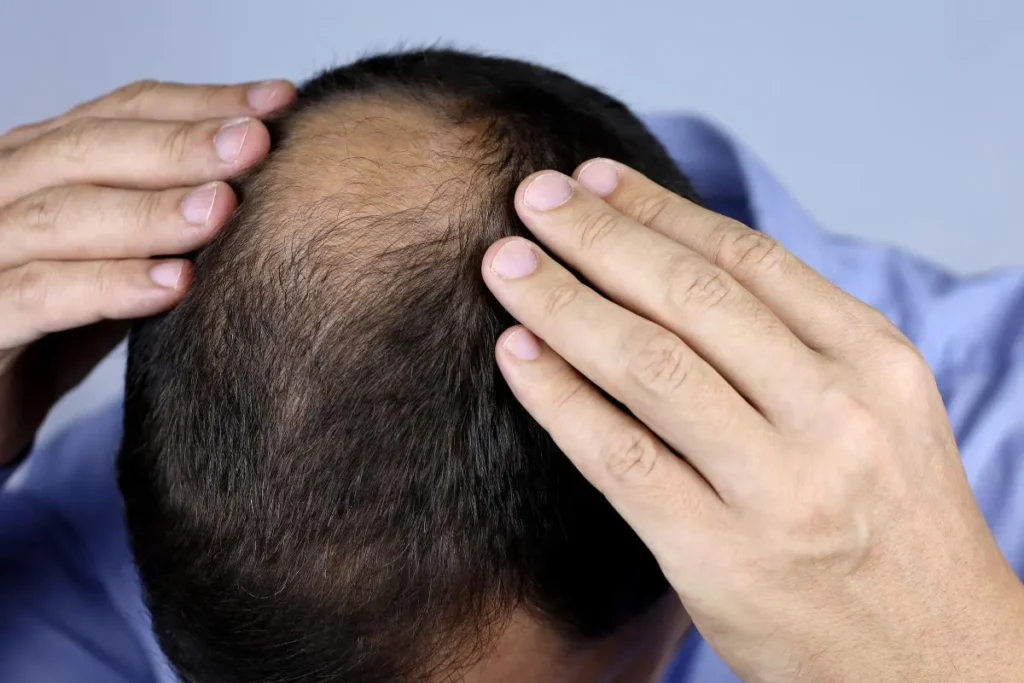
Testosterone vs finasteride structure explained. Get essential info on how these powerful chemicals affect your hair and amazing health.
It’s important to know how testosterone and finasteride differ. This knowledge helps in managing hormones and keeping the prostate healthy.
Testosterone is a hormone that helps men grow and have kids. Finasteride, made in a lab, stops the body from turning testosterone into DHT.
The main difference is in their makeup. Testosterone has a special bond, while finasteride has another. This bond affects how they work with enzymes in the body.
Key Takeaways
The structural differences between testosterone and finasteride impact their roles in the body.
Finasteride is designed to inhibit the 5-alpha reductase enzyme, reducing DHT production.
Understanding these differences is key for managing hormones and prostate health.
The chemical makeup of testosterone and finasteride changes how they interact with enzymes.
Knowing these differences helps in making smart health choices.
Biological Origins and Basic Molecular Structure

Testosterone and finasteride have different origins and structures. Testosterone is a natural hormone, while finasteride is a man-made drug. They work in different ways in our bodies.
Testosterone: Natural Steroid Hormone
Testosterone is made in the testicles of men and ovaries of women. It helps develop male traits and boosts sex drive. In women, it affects hair growth and libido.
Women with low testosterone might feel less energetic and less interested in sex. Female hair loss can also be a sign of low testosterone. This is why female testosterone replacement therapy is sometimes used.
Finasteride: Synthetic 4-Azasteroid Compound
Finasteride is a man-made drug for treating BPH and hair loss in men. It blocks the enzyme 5-alpha-reductase. This enzyme turns testosterone into DHT, which causes hair loss and prostate growth.
Testosterone and finasteride have different roles in our health. They affect hair loss and hormonal balance in different ways.
Testosterone vs Finasteride Structure: Critical Differences

Looking at the structure of testosterone and finasteride shows us how they work. Their molecular structures affect how they interact with the 5-alpha reductase enzyme. This is key to their use in medicine and how well they work.
Delta Bond Positioning: 4,5 vs 1,2 Bonds
The delta 4,5 bond in testosterone and the delta 1,2 bond in finasteride change how they bind to the 5-alpha reductase enzyme. This difference is important for understanding how these compounds stop testosterone from turning into dihydrotestosterone (DHT). DHT is a strong androgen hormone.
Testosterone naturally binds to the 5-alpha reductase enzyme. Finasteride, with its different bond, blocks this enzyme. This bond difference affects how they work.
Enzyme Binding Mechanisms
Testosterone and finasteride bind to the 5-alpha reductase enzyme in different ways. Finasteride’s structure lets it block the enzyme’s activity, lowering DHT levels.
Testosterone binds to the 5-alpha reductase enzyme, helping it turn into DHT.
Finasteride, by contrast, forms a stable complex with the enzyme, stopping DHT production.
This difference in how they bind is why testosterone and finasteride are used differently. This is true for hormone replacement therapy with testosterone for women and treating androgenetic alopecia.
Type II 5-Alpha Reductase Selectivity
Finasteride is much more selective for Type II 5-alpha reductase than Type I. This selectivity is key to its success in treating male pattern baldness and benign prostatic hyperplasia.
Finasteride’s selectivity for Type II 5-alpha reductase shows how important structure is in drug design. For women with testosterone hair loss, knowing these differences helps in making treatment choices.
In summary, the structural differences between testosterone and finasteride are vital. They affect how these compounds interact with the 5-alpha reductase enzyme. This is important for their roles in human health and their use in medicine. For those looking into testosterone injection for women or hormone replacement therapy with testosterone for women, these differences are key.
Clinical Implications of Structural Variations
Testosterone and finasteride have different structures. This affects how they work in the body, like their impact on hair loss and prostate issues.
DHT Conversion Inhibition Mechanisms
Finasteride stops testosterone from turning into DHT. It does this by blocking the 5-alpha-reductase enzyme. This is key for treating hair loss and prostate problems.
Impact on Hair Loss Treatment
Finasteride’s effect on DHT helps with hair loss. It slows down hair loss and can even help hair grow back. This makes it a good choice for treating male pattern baldness.
Relevance for Hormone Therapy in Women
Testosterone and finasteride’s differences also matter for women’s hormone therapy. Testosterone therapy is sometimes used for women with low libido or certain health issues. But, it’s important to think about how it might affect DHT levels and hair loss.
Women thinking about testosterone replacement therapy should consider the benefits and risks. This includes the risk of hair loss. Keeping an eye on DHT levels and watching for hair loss signs can help manage these risks.
Conclusion
Testosterone and finasteride are very different in structure. This affects how they work in our bodies and their uses in medicine. Testosterone is a natural hormone important for many body functions. Finasteride, on the other hand, is made to treat hair loss and an enlarged prostate.
It’s key to know these differences. This helps us understand how finasteride works and its role in hormone therapy for women. Women looking into testosterone therapy should understand the differences between these two.
Healthcare experts can create better treatments by knowing these differences. This opens up new ways to help people with hair loss, prostate issues, and more. As we learn more about testosterone and finasteride, understanding their differences will be even more important for good care and health.
FAQ
Does testosterone cause hair loss in women?
Testosterone is a hormone found in both men and women. An imbalance or sensitivity to it can lead to hair loss. But, the link between testosterone and hair loss in women is complex. It depends on many factors, like how testosterone turns into dihydrotestosterone (DHT).
Can testosterone therapy help with hair loss in women?
Testosterone therapy is not usually used to treat hair loss in women. Instead, treatments that fix the root causes of hair loss are more effective. Finasteride, a drug that stops DHT conversion, is sometimes used off-label for women with hair loss.
What is the role of testosterone in female hormone therapy?
Testosterone is important for women’s health. It affects libido, bone density, and overall well-being. Women might get testosterone therapy for low libido or energy. But, it’s important to talk to a healthcare professional about the risks and benefits.
How does finasteride work to treat hair loss?
Finasteride blocks the 5-alpha reductase enzyme. This enzyme turns testosterone into DHT. By lowering DHT levels, finasteride can slow or stop hair loss and even help hair grow back.
Is testosterone replacement therapy suitable for women with hair loss?
Testosterone therapy is not usually the first choice for treating hair loss in women. Instead, treatments like finasteride or other medications might be more effective.
Can hormone therapy with testosterone help women with low libido?
Testosterone is linked to female libido. Some women might benefit from testosterone therapy for low libido. But, it’s important to talk to a healthcare professional to find the best treatment and discuss risks and benefits.
What are the possible effects of testosterone injections on hair loss in women?
The effect of testosterone injections on hair loss in women can vary. It depends on the dose and how long you take it. Some women might experience hair loss, while others might not. It’s important to watch for hair loss and adjust treatment plans if needed.
How does testosterone affect breast tissue in women?
The relationship between testosterone and breast tissue is complex. Some studies suggest testosterone might be neutral or even good for breast tissue. But, other studies raise concerns. More research is needed to fully understand testosterone’s effects on breast tissue in women.
References
National Center for Biotechnology Information. Evidence-Based Medical Insight. Retrieved from https://pmc.ncbi.nlm.nih.gov/articles/PMC7373137/


