

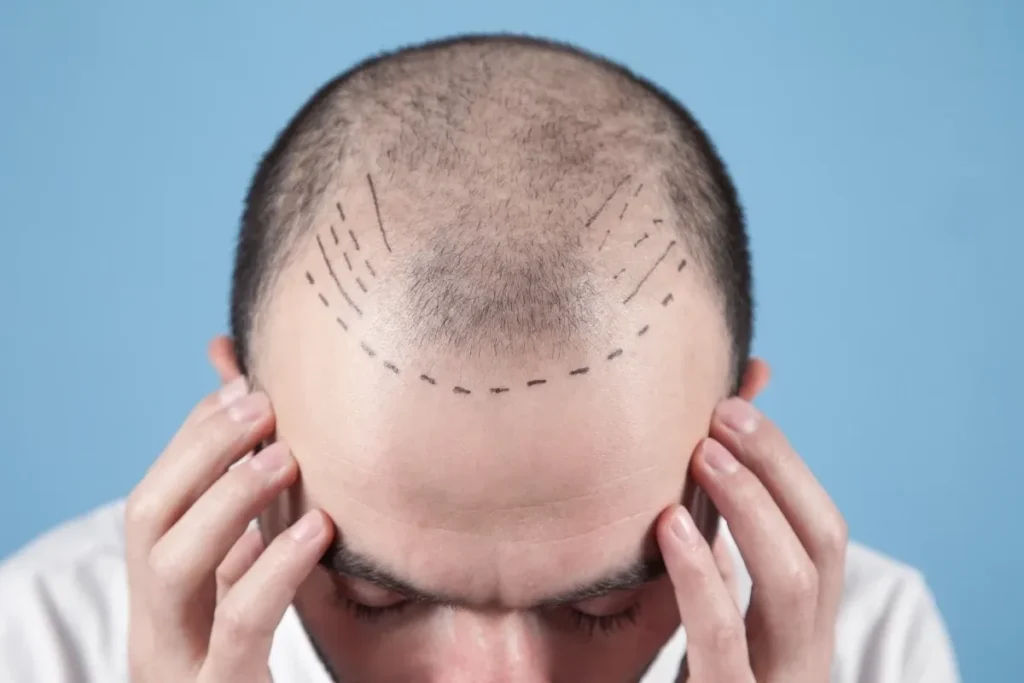
The complete loss of all body hair is known as alopecia universalis. Discover amazing facts and powerful ways to manage this condition.
Alopecia universalis, a condition that causes total hair loss, affects millions globally. It leaves patients searching for effective treatments. Knowing how hair works and the reasons behind severe alopecia is key to caring for them.
The word “trichos” means hair. Learning about it helps us understand hair loss causes. Alopecia universalis is a serious autoimmune disease. It leads to the loss of all scalp, facial, and body hair.
About 2% of people worldwide will face alopecia areata at some point in their lives.
Key Takeaways
Alopecia universalis is a severe form of alopecia areata, resulting in total hair loss.
It’s an autoimmune condition affecting approximately 2% of people worldwide.
Understanding hair structure is key to finding effective treatments.
GoldCity Center offers advanced diagnostic protocols and multidisciplinary expertise.
Compassionate, evidence-based care is vital for those dealing with hair loss.
The Complete Loss of All Body Hair is Known As Alopecia Universalis

Alopecia universalis is a severe condition where all body hair is lost. It’s linked to autoimmune disorders. This condition makes it hard for people to have hair on their scalp, face, and body.
Defining Alopecia Universalis
Alopecia universalis is the most severe form of alopecia areata. In this condition, the immune system attacks hair follicles, causing hair loss. Unlike alopecia areata, which causes patchy hair loss, alopecia universalis results in total hair loss on the scalp, face, and body.
This condition affects not just the scalp but also eyebrows, eyelashes, and other body hair. It greatly impacts a person’s appearance and self-esteem.
“Losing all body hair can be very distressing,” says a leading dermatologist. It affects not just how a person looks but also their mental health. This shows the need for full care and support for those with alopecia universalis.
Prevalence and Autoimmune Connections
Research shows alopecia universalis is linked to autoimmune disorders. The body’s immune system attacks its own tissues. This condition is rare but has a big impact because of the complete hair loss.
Understanding the connection between alopecia universalis and autoimmune factors is key to finding treatments. People with alopecia universalis often have other autoimmune diseases. This suggests a complex relationship between immune system problems and hair loss.
By studying alopecia universalis, researchers and doctors can work on better care for those with this condition.
Understanding Hair Structure and Composition

Healthy, vibrant hair starts with its makeup, mainly keratin. This strong protein gives hair its strength and bounce.
Hair is made up of layers, with the cuticle on the outside. Then comes the cortex, and the medulla inside. Knowing these parts is key to keeping hair healthy.
Trichos: The Foundation of Trichology
“Trichos” means hair in Greek. It’s the base of trichology, the study of hair and scalp health. Trichology looks at hair structure, growth, and problems.
Learning about trichology helps us see why nutritional requirements for hair are so important. Good food is vital for healthy hair.
Hair is Approximately 90 Percent Protein
Hair is mostly protein, with keratin being the main one. Keratin makes hair strong, flexible, and textured. The rest is water and other stuff.
This shows how important protein and other nutrients are for hair health.
Keratin and Nutritional Requirements for Healthy Hair
Keratin is vital for hair, and it needs the right food to grow. Not getting enough nutrients can cause hair loss and other issues.
Eating well with vitamins, minerals, and proteins is essential for hair growth. Important nutrients include:
Knowing what nutrients hair needs helps us choose better foods and hair care. This leads to healthy, shiny hair.
Conclusion: Treatments and Market Growth
The global alopecia market is now worth 9.48 billion dollars. New alopecia treatments and more awareness are driving this growth. People now have many hair loss solutions to choose from, helping them regain their hair and confidence.
The alopecia industry is seeing rapid market growth. New treatments are being created to tackle alopecia universalis. By mixing fun with luxury, finding healthy hair becomes a fun and empowering journey.
Universal radiance invites everyone to start their journey to radiant beauty. By exploring the latest alopecia treatment options and staying updated, you can begin to regain your hair and confidence.
FAQ
What is alopecia universalis?
Alopecia universalis is a severe form of hair loss. It causes the loss of all hair on the scalp, face, and body. It’s often linked to autoimmune diseases.
What is the term “trichos” related to?
“Trichos” means hair. It’s the base of trichology, which studies hair and scalp health.
What percentage of protein makes up hair?
Hair is about 90 percent protein. Keratin, a key protein, needs good nutrition to keep hair healthy.
What are the elements that make up keratin?
Keratin has Cohn’s elements. These are important for keeping hair healthy.
How prevalent is alopecia areata worldwide?
About 2% of people worldwide will get alopecia areata at some point in their lives.
What is the significance of understanding hair structure and composition?
Knowing about hair structure and composition is key. It helps keep hair healthy and tackles issues like alopecia universalis.
References
Overview of Alopecia Areata. https://www.niams.nih.gov/health-topics/alopecia-areata


