

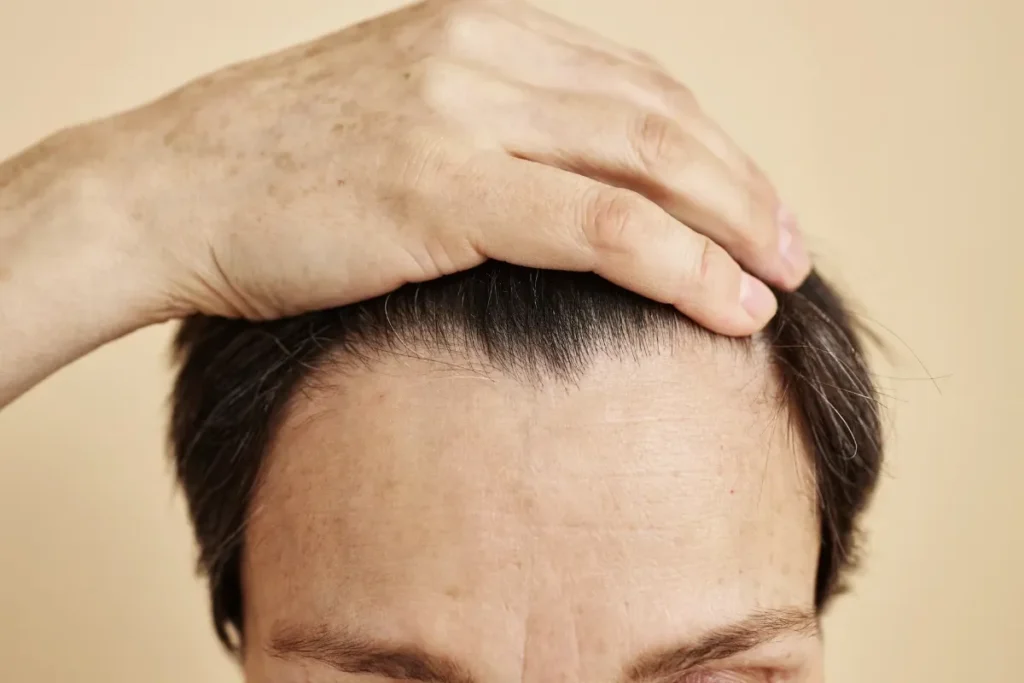
Thinning hairline women guide for success. Discover the best recovery tips and powerful treatments to achieve an amazing, full hairline now.
A receding hairline can be very upsetting for many women. It affects not just how they look but also how they feel about themselves. Approximately one in three women will face hair loss at some point, due to reasons like frontal fibrosing alopecia, hormonal changes, and genetics.
At GoldCity Center, we get how personal hair loss can be. We offer care that focuses on you, using the latest tests and treatments. Our team is ready to help you, no matter the cause of your hair loss. We’re here to help you regain your hair and confidence.
Key Takeaways
Receding hairlines affect a significant number of women worldwide.
Causes include frontal fibrosing alopecia, hormonal changes, and genetics.
Early diagnosis is key for effective treatment.
Personalized treatment plans can help address hair loss.
Expert care is available for those experiencing hair loss.
Understanding Thinning Hairline Women Experience

A receding hairline can be very upsetting for many women. It often means there’s something going on that needs to be looked at. It’s not just about looks; it can also show how healthy you are.
To tackle hairline recession, knowing why it happens is key. Hormonal shifts, genetic predisposition, and styling habits are big reasons.
Common Causes of Female Hairline Recession
Hormonal changes, like those in PCOS (Polycystic Ovary Syndrome) or menopause, can cause hair to thin. Your genes also play a part, with some women more likely to lose hair because of their family history.
How you style your hair can also affect your hairline. Using heat tools too much or wearing tight hairstyles can lead to hair loss. Knowing these reasons is the first step to stop hair loss.
Early Warning Signs to Watch For
Spotting early signs of hairline recession is important. Look out for thinning at the temples, widening hair partings, excessive shedding, and noticeable scalp visibility.
Knowing these signs and why they happen helps women take action. They can look for treatments and make lifestyle changes to fight hair loss.
Effective Treatment Options for Female Receding Hairlines

Women facing hairline recession have many treatment options. These range from topical treatments to professional solutions. The right treatment depends on the cause and how severe the hair loss is.
Medical Treatments and Professional Solutions
Several medical treatments can help with female hairline recession. Minoxidil, a topical treatment, is known for boosting hair growth. About 40% of women using 5% minoxidil foam see significant hair regrowth.
Platelet-rich plasma (PRP) therapy is also effective. It involves injecting platelet-rich plasma from the patient’s blood. After six months of PRP therapy, many see visible hair regrowth.
At-Home Remedies and Prevention Strategies
At-home remedies and prevention strategies can also help. Eating a healthy diet rich in vitamins and minerals is key. Foods high in biotin and vitamin D promote hair growth.
Reducing stress through yoga and meditation is also beneficial. High stress can lead to hair loss. Using gentle hair care products and avoiding heat styling can prevent further damage.
Combining these methods can help women tackle hairline recession. It’s important to talk to a healthcare professional to find the best treatment plan.
Conclusion
Understanding why hairlines recede is key for women dealing with thinning hair. Early signs are important to catch. Getting help from professionals is a big step towards growing back hair.
Dealing with a receding hairline in women can be tough. But, there are ways to fix it. Medical treatments, professional advice, and home remedies can help. It’s important to talk to a doctor to find the best treatment.
Women can take action and grow their hairline back. With the right help, you can regain your confidence. Start your journey to a fuller, healthier hairline today.
FAQ
What causes a receding hairline in women?
A receding hairline in women can be due to several reasons. These include frontal fibrosing alopecia, hormonal changes, and certain medical conditions. Styling habits that lead to hair loss also play a role.
How can I identify the early warning signs of a receding hairline?
Signs of a receding hairline include thinning hair at the hairline and a wider part. Hair loss around the temples is another indicator.
What are the most effective medical treatments for a receding hairline in women?
Effective treatments include minoxidil and PRP therapy. These promote hair growth and reduce loss. Hair transplants are also an option for some women.
Are there any at-home remedies that can help with hairline recession?
Yes, at-home remedies can help. Reducing heat styling and using gentle hair care products are beneficial. Scalp massages also promote hair growth.
Can hormonal changes cause a receding hairline in women?
Yes, hormonal imbalances, like an imbalance of androgens, can lead to hair loss. This can cause a receding hairline in women.
How can I prevent further hair loss and promote hair regrowth?
To prevent hair loss and promote growth, maintain a healthy lifestyle. Reduce stress and use gentle hair care products.
Is a receding hairline in women a sign of an underlying medical condition?
In some cases, a receding hairline can signal an underlying condition. This includes polycystic ovary syndrome (PCOS) or thyroid disorders.
Can a receding hairline be treated without medical intervention?
While some cases need medical treatment, others can be managed through lifestyle changes and at-home remedies.
How to regrow a receding hairline female?
To regrow a receding hairline, combine medical treatments, lifestyle changes, and at-home remedies. Consulting a dermatologist or healthcare professional is key to finding the right treatment.
What is the best treatment for a receding hairline in women?
The best treatment for a receding hairline in women varies based on the cause. It may include medical treatments, lifestyle changes, and at-home remedies.
References
National Center for Biotechnology Information. Evidence-Based Medical Insight. Retrieved from https://pmc.ncbi.nlm.nih.gov/articles/PMC4573453/


