

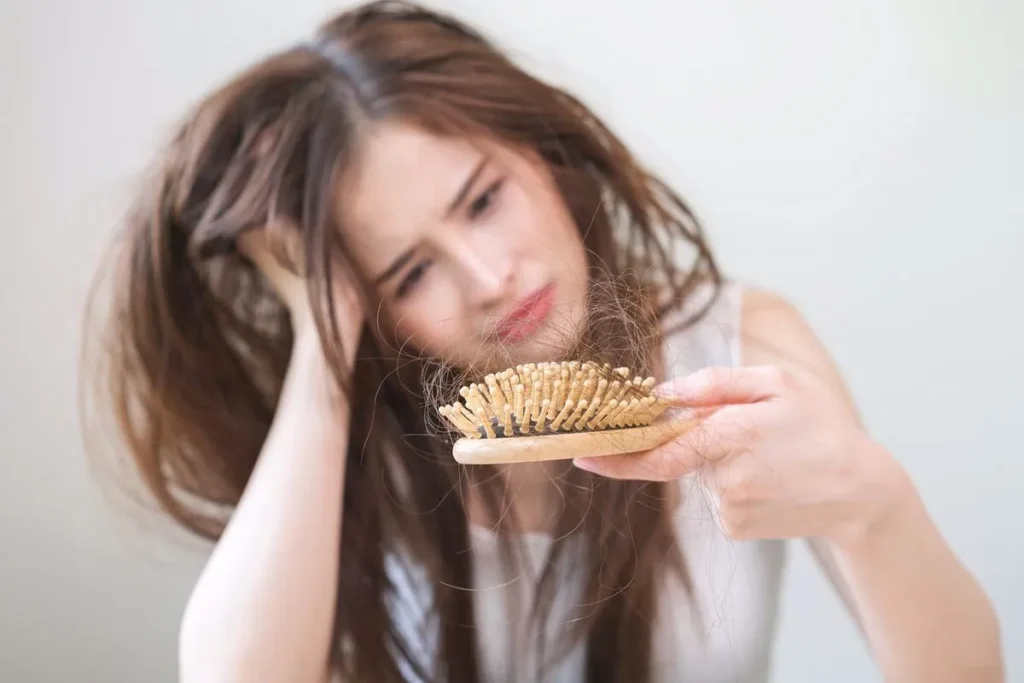
When kids lose patches of hair, it worries both the children and their families. Alopecia areata is a condition where the body’s immune system attacks hair follicles. It’s common in kids worldwide and can make them feel sad and worried.
At GoldCity Center, we focus on caring for kids with alopecia areata. We use the latest research and a caring approach to help them feel better and grow their hair back.
Empowering parents with the right information is key. Knowing what causes alopecia areata, its signs, and how to treat it helps a lot. It’s important for supporting your child during this tough time.
Key Takeaways
Understanding alopecia areata in children is key to helping them.
Compassionate and thorough care is vital.
GoldCity Center offers care based on the latest research.
With the right care, kids can regain their confidence and hair health.
Parents are essential in helping their child recover.
Understanding Childhood Alopecia Areata

It’s key to know about alopecia areata in kids early on. This condition causes hair loss in children without other symptoms. Early care and support are vital for managing it and helping a child’s emotional health.
What is Alopecia Areata and Its Prevalence in Children
Alopecia areata happens when the immune system attacks hair follicles. This affects about 1 in 1,000 children. Most kids first experience it before they’re 20.
Knowing about alopecia areata in kids is important for parents and caregivers. Spotting the signs early can help manage the condition better.
Recognizing the Signs and Symptoms
Children with alopecia areata might lose hair in round or oval patches, often on the scalp. Parents should watch for unusual hair loss and see a doctor.
Common Patterns and Natural Course in Pediatric Patients
Alopecia areata in kids can show up in different ways. It might start with a single patch or even lead to losing all scalp hair. Some kids might see their hair grow back, while others might lose it again.
Knowing how the condition can change is important. It helps manage hopes and plan treatments. The condition’s unpredictability means a flexible and supportive treatment plan is best.
Effective Treatment of Alopecia Areata in Childhood

Treating alopecia areata in kids involves several steps. These include checking the child, diagnosing, and using different treatments. It’s important to treat both the physical and emotional sides of the condition.
Step 1: Initial Assessment and Diagnosis
The first step is a detailed check-up and diagnosis. A doctor will look at the child’s medical history and do a physical exam. It’s key to make sure it’s not something else causing hair loss, like a fungal infection or another autoimmune disease.
Step 2: First-Line Treatment with Topical Corticosteroids
Topical corticosteroids are the top choice for treating alopecia areata in kids. They help by reducing inflammation and encouraging hair to grow back. Many kids see a lot of hair growth, making them a good first option.
Step 3: Alternative and Adjunctive Treatments
If topical corticosteroids don’t work or if the hair loss is more, other treatments might be tried. These include minoxidil, anthralin, or immunotherapy. The right treatment depends on the child’s health, how much hair is lost, and if they have other autoimmune diseases.
Step 4: Managing the Psychosocial Impact
It’s also important to deal with the emotional side of alopecia areata. Kids with this condition might feel sad, have low self-esteem, and worry about what others think. Emotional support, counseling, and talking openly can help them feel better and live a happier life.
By following this guide, parents and doctors can help manage alopecia areata in kids. This improves their treatment results and overall happiness.
Conclusion: Long-term Management and Outlook
Children with alopecia areata need ongoing care to manage their condition well. Some may see their hair grow back, but others might face hair loss again. It’s important to watch for new patches and change treatments as needed.
Parents and caregivers are key in helping kids with alopecia. They help kids deal with the emotional side of losing hair. Working with doctors, families can create a treatment plan that fits their child’s needs.
With the right care, kids with alopecia can live happy, confident lives. Knowing about the condition and treatment helps families face alopecia’s challenges. This ensures the best care for their child’s hair and overall health.
FAQ
What is alopecia areata in children, and how common is it?
Alopecia areata is an autoimmune condition that causes hair loss. It affects about 1 in 1,000 children. This makes it a rare but important condition in kids.
What are the signs and symptoms of alopecia areata in kids?
Kids with alopecia areata often lose hair in small, round patches on their scalp. They might also have nail changes. Spotting it early is key to treating it effectively.
How is alopecia areata in children diagnosed?
Doctors use a medical history, physical exam, and sometimes a scalp biopsy to diagnose it. They look at how much hair is lost and where.
What are the treatment options for childhood alopecia areata?
Treatment starts with topical corticosteroids. Other options include minoxidil, anthralin, or immunotherapy. The choice depends on how severe it is and how well it responds to treatment.
How can parents help manage the psychosocial impact of alopecia areata on their child?
Parents can offer emotional support and encourage talking about feelings. They can also help their child find ways to cope with hair loss.
Can alopecia areata in children be cured, and what is the long-term outlook?
There’s no cure, but many kids see their hair grow back or respond well to treatment. Managing it long-term means watching it closely and adjusting treatment as needed.
Are there any new or emerging treatments for alopecia areata in kids?
Yes, research is exploring new treatments like biologics. It’s best to talk to a doctor to learn about the latest options.
How can I support my child with alopecia areata in school or social settings?
Support their self-image and teach others about the condition. Encourage them to do things they love. This helps them feel confident and comfortable socially.
References
National Center for Biotechnology Information. Evidence-Based Medical Insight. Retrieved from https://pmc.ncbi.nlm.nih.gov/articles/PMC3519253/


