
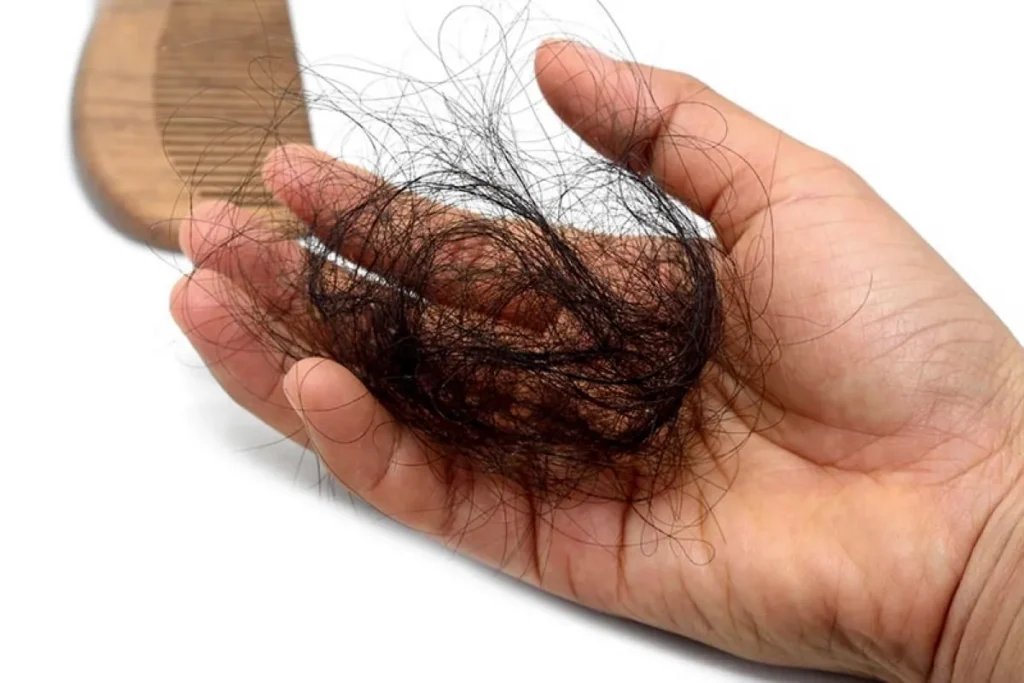
Hair loss is a big health issue that affects millions worldwide. It shows up in many ways, needing the right diagnosis and treatment. Understanding the different forms of alopecia is key for tackling hair loss effectively.
Hair loss, known as “alopecia,” can be mild or severe, affecting how we feel about ourselves. GoldCity Center offers top-notch dermatology care. They use the latest tests and treatments to help patients deal with hair loss.
Knowing the causes and signs of alopecia helps find the right treatments. This way, people can feel more confident again.
Key Takeaways
Understanding the different forms of alopecia is key for effective treatment.
Hair loss can range from mild thinning to complete baldness.
GoldCity Center offers top-notch dermatology care for hair loss conditions.
Advanced diagnostic methods and personalized treatment protocols are used.
Accurate diagnosis is key to addressing hair loss concerns.
Understanding Hair Loss and Its Impact

Understanding hair loss is the first step to embracing your true beauty and confidence. Hair loss, or alopecia, affects millions worldwide, causing distress and self-consciousness. It’s not just about looks; hair loss can hurt your self-esteem and life quality.
Hair loss can happen for many reasons, like genetics, medical conditions, and treatments. Knowing these causes helps you find the right treatment.
What Causes Hair Loss?
Hair loss comes from many factors. Genetics are a big part, with conditions like androgenetic alopecia being passed down. Autoimmune diseases, where the body attacks hair follicles, cause alopecia areata.
Medical treatments, like chemotherapy, can also lead to hair loss. Stress, not eating right, and hairstyles that pull on hair follicles can also cause it.
Who Is Affected by Alopecia?
Alopecia can hit anyone, no matter their age or gender. It’s a myth that hair loss only affects men; women can lose a lot of hair too, due to hormones and genetics.
Knowing you’re not alone is key. Many people face hair loss, and there are lots of support groups and treatments out there.
By knowing the causes and who it affects, you can start looking for a solution. You might try medical treatments, change your lifestyle, or just love your natural look. There are many ways to move forward.
The 7 Types of Alopecia Explained

Today, we have advanced skincare and beauty tech to fight hair loss. Knowing about the different alopecia types is key. It helps people find the right treatments for their hair loss.
Androgenetic Alopecia (Male and Female Pattern Baldness)
Androgenetic alopecia, or male and female pattern baldness, is caused by genetics and hormones. It makes hair thin on the scalp. It’s the most common hair loss type and can hurt self-esteem.
Alopecia Areata
Alopecia areata is when the immune system attacks hair follicles. It leads to patchy hair loss. The exact cause is unknown, but it’s thought to be genetic and environmental.
Telogen Effluvium
Telogen effluvium causes a lot of hair shedding. It’s often due to stress, hormonal changes, or poor nutrition. It’s usually temporary. Knowing and managing triggers is key to getting better.
Traction Alopecia
Traction alopecia happens when hair follicles are pulled too tight. This is often from tight hairstyles like braids or ponytails. Changing hairstyles can prevent it and stop permanent hair loss.
Knowing about these alopecia types helps people deal with hair loss better. They can find the right treatments and make smart choices for their hair.
Less Common Forms of Hair Loss
Many know about common hair loss types, but there are rarer forms that affect people deeply. It’s key to understand these conditions for proper diagnosis and treatment.
Cicatricial (Scarring) Alopecia
Cicatricial alopecia, or scarring alopecia, is a rare disorder. It destroys hair follicles, replacing them with scar tissue. This leads to permanent hair loss. It can be caused by infections, physical trauma, or certain inflammatory disorders.
Key characteristics of Cicatricial Alopecia include:
Permanent destruction of hair follicles
Scar tissue formation
Inflammation and redness in the affected area
Alopecia Totalis
Alopecia totalis causes complete hair loss on the scalp. It’s a severe form of alopecia areata. The immune system attacks the hair follicles, leading to total baldness on the scalp.
Understanding Alopecia Totalis:
Alopecia Universalis
Alopecia universalis is the most severe form of alopecia areata. It causes complete hair loss on the body, including the scalp, eyebrows, and body hair. This condition is rare and can have a big psychological impact.
Management of Alopecia Universalis may involve:
Immunotherapy to modulate the immune system’s response
Corticosteroids to reduce inflammation
Wigs or other hair replacement options for cosmetic purposes
Conclusion
Knowing the different types of alopecia is key to treating it effectively. By understanding the 7 types, people can find the right treatments. This includes topical solutions, oral meds, and surgery, leading to great results.
Proven treatments can change lives, bringing back confidence and a fuller head of hair. Each type of alopecia needs a specific approach. So, it’s important to know which one you have to find the best treatment.
With the right treatment, people can feel confident again and look radiant. By learning about alopecia types and finding the right treatments, they can start their journey to a new look. And they can own their beauty.
FAQ
What are the different types of alopecia?
Alopecia comes in many forms. These include androgenetic alopecia, alopecia areata, and telogen effluvium. There’s also traction alopecia, cicatricial (scarring) alopecia, alopecia totalis, and alopecia universalis.
What is alopecia areata, and how is it treated?
Alopecia areata is an autoimmune condition. It causes patchy hair loss. Treatments include corticosteroids, minoxidil, and immunotherapy.
Can hair loss be reversed, and what are the most effective treatments?
Hair loss can be reversible, depending on the cause. Effective treatments include medications and lifestyle changes. Alternative therapies can also help.
What is the difference between alopecia totalis and alopecia universalis?
Alopecia totalis means complete hair loss on the scalp. Alopecia universalis means total hair loss on the body, including the scalp, eyebrows, and eyelashes.
How is scarring alopecia diagnosed and treated?
Scarring alopecia is diagnosed with a medical history, physical exam, and scalp biopsy. Treatments include medications, lifestyle changes, and hair transplantation.
Are there any natural remedies for hair loss?
There are no guaranteed natural remedies for hair loss. But, ingredients like saw palmetto and biotin, along with low-level laser therapy, may help promote hair growth.
Can stress cause hair loss, and how can it be managed?
Yes, stress can lead to hair loss, like telogen effluvium. Managing stress through relaxation, exercise, and lifestyle changes can help prevent hair loss.
What are the different forms of alopecia in women?
Women can experience various alopecia types. These include androgenetic alopecia, alopecia areata, and telogen effluvium, among others.
References
National Center for Biotechnology Information. Evidence-Based Medical Insight. Retrieved from https://pubmed.ncbi.nlm.nih.gov/15692465/


