

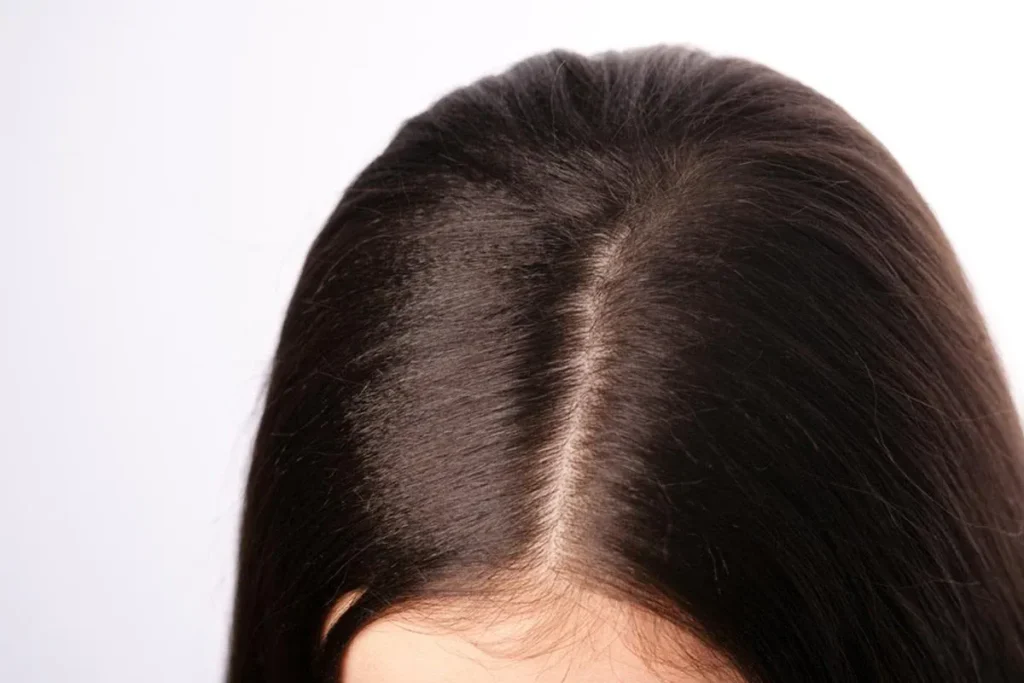
A normal healthy hairline is key to how we look. It’s important to know what it should look like to spot hair loss early. Studies show that about 45.9% of men have a straight hairline, and 42.6% have an M-shaped one.
A normal hairline usually sits 1.5 to 2 inches above the forehead’s top wrinkle. A healthy hairline is even, has smooth hair growth, and the right amount of hair. Knowing these signs helps us take better care of our hair.
What is a typical male hairline? Use these powerful tips to maintain an amazing, youthful look and stop recession before it starts today.
Key Takeaways
A normal healthy hairline varies significantly among individuals.
Approximately 45.9% of men have a linear hairline, while 42.6% have an M-shaped pattern.
The hairline is typically positioned 1.5 to 2 inches above the forehead’s highest wrinkle.
Characteristics of a healthy hairline include an even shape and proper hair density.
Understanding hairline characteristics is key to spotting hair loss early.
Characteristics of a Healthy Hairline

A healthy hairline has an even shape and smooth hair growth. Knowing what a healthy hairline looks like is key to checking your hair health. Hairlines look different on everyone because of genetics and ethnicity.
Common Hairline Patterns
Hairline patterns vary between men and women. Men usually have linear or M-shaped hairlines. Women often have rounded or oval hairlines. These shapes are mostly due to genetics and are seen as normal.
Key Features of Healthy Hairlines
A healthy hairline is not just about its shape. It’s also about the density and direction of hair growth. Healthy hairlines have finer hairs at the edge that get thicker. The hair grows in a consistent direction, making the hairline look healthy and full of life.
Natural Hairline Density and Texture
The density and texture of hair at the hairline can change. A healthy hairline has a smooth transition from finer to thicker hairs. This smooth change is a sign of healthy hair growth.
Variations by Ethnicity and Genetics
Ethnicity and genetics greatly affect hairline characteristics. Some ethnic groups naturally have higher hairlines or different hair textures. It’s important to understand these differences to appreciate the variety of healthy hairlines.
Understanding the Typical Male Hairline

The typical male hairline has many features like shape, density, and where it starts. It’s not just about looks; it’s also about knowing the natural changes that happen as we age.
Linear vs. M-Shaped Hairlines: Statistical Breakdown
Most men have either a linear or an M-shaped hairline. Studies show that the M-shaped hairline is more common in older men. It shows a sign of aging. Younger men or those with a youthful look often have a linear hairline.
Linear hairlines are straight across the forehead.
M-shaped hairlines have a clear ‘M’ shape due to recession at the temples.
Juvenile vs. Mature Hairlines: What Changes With Age
As men get older, their hairline changes a lot. It moves from a juvenile to a mature pattern. This change often leads to an M-shaped hairline. Knowing these changes helps men understand how their hairline evolves.
The juvenile hairline is lower and straighter.
The mature hairline may recede, forming an M-shape.
Normal Hairline Positioning and Measurements
The normal male hairline is usually 1.5 to 2 inches above the highest forehead wrinkle. This can change based on personal traits and ethnicity.
Women’s Healthy Hairline Characteristics
Women’s hairlines are different from men’s. They are rounded and can vary in height. A healthy female hairline has consistent density and a smooth, rounded shape without recession.
Knowing the differences between male and female hairlines helps us understand what’s normal for each gender.
Conclusion
A normal healthy hairline is shaped by genetics, age, and ethnicity. It has an even shape, proper density, and natural texture. Knowing what a healthy hairline looks like helps you see your own as beautiful.
A healthy hairline is more than looks; it shows your overall health. Recognizing your hairline’s normal traits boosts your confidence. Whether it’s linear or M-shaped, knowing it’s normal empowers you.
Every person’s hairline is unique, and what’s normal varies a lot. Ethnicity and genetics greatly influence your hairline’s shape and density. Embracing your natural hairline means understanding and valuing these unique traits.
By focusing on your hairline’s uniqueness, you become more confident. A normal hairline is a key part of who you are. Celebrate your beauty and individuality, starting with your natural hairline. Both men and women can shine with a radiant glow.
FAQ
What are the characteristics of a healthy hairline?
A healthy hairline is even, smooth, and has the right density. Men often have a linear or M-shaped hairline. Women’s hairlines are usually rounded or oval.
What does a normal hairline look like?
A normal hairline varies a lot. It depends on genetics, age, and ethnicity. It usually sits about 1.5 to 2 inches above the forehead’s highest wrinkle.
What is considered a typical male hairline?
Most men have a linear or M-shaped hairline. The M-shaped one shows a mature hairline. As men get older, their hairline changes from juvenile to mature.
How does hairline density and texture affect its health?
Healthy hairlines have finer hairs that get thicker. The density and texture of hair at the hairline show its health.
Can a naturally high hairline be considered normal?
Yes, a naturally high hairline is normal. Hairline position varies a lot among people. Genetics and ethnicity play big roles in hairline position.
What is the difference between a juvenile and a mature hairline?
A juvenile hairline is lower and more uniform. A mature hairline recedes at the temples and may be M-shaped in men.
How do genetics and ethnicity influence hairline characteristics?
Genetics and ethnicity greatly affect hairline patterns, density, and texture. Different ethnic groups have unique hairline traits. Genetics also shape the hairline’s shape and position.
What are the signs of an unhealthy hairline?
An unhealthy hairline shows uneven shape, irregular growth, or abnormal density. Signs include too much hair loss or thinning.
REFERENCES
National Center for Biotechnology Information. Evidence-Based Medical Insight. Retrieved from https://pmc.ncbi.nlm.nih.gov/articles/PMC8367035/


