

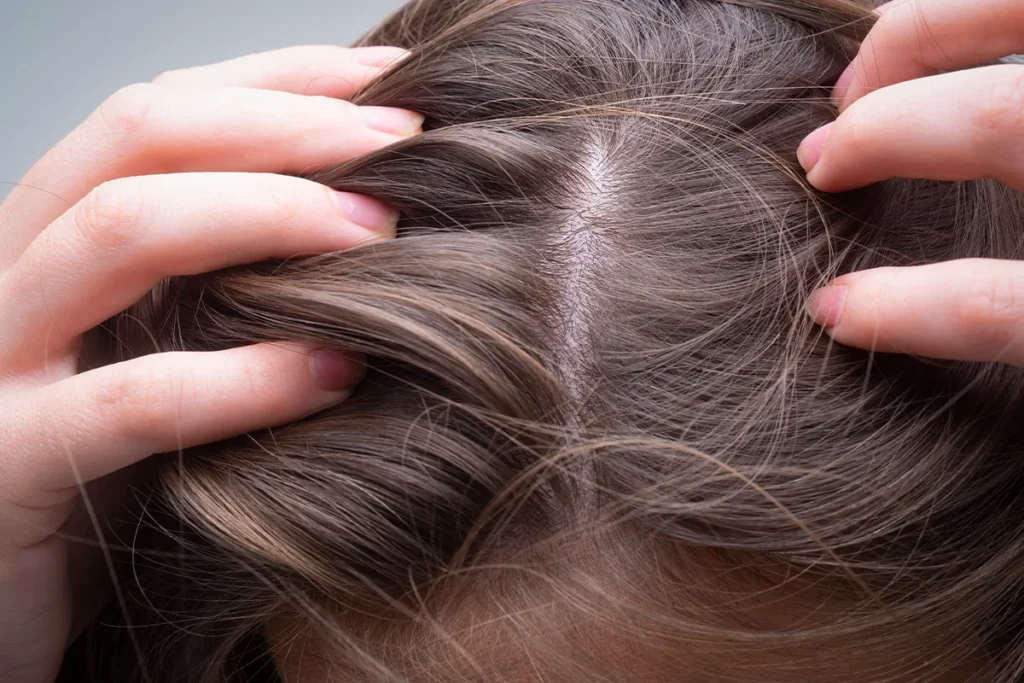
Scalp infections are a big worry for many, affecting people of all ages. They can lead to distressing hair loss. These infections, caused by fungi and viruses, show up as bald spots or thinning hair. At GoldCity Center, our dermatologists use the latest tools to find these hidden causes.
It’s important to know about the causes, symptoms, and treatments of these infections. This knowledge helps keep your hair healthy. We offer treatments like antibiotics, antifungals, and steroid creams. Our goal is to help you “Unlock your inner glow” and “Own your beauty.”
Learn about viruses that cause hair loss today. Discover the shocking truth and find powerful, amazing treatments to heal your scalp fast.
Key Takeaways
Scalp infections are a significant public health concern worldwide.
Fungal and viral infections are primary causes of hair loss.
Advanced diagnostic techniques can identify infectious causes.
Treatments include antibiotics, antifungals, and steroid creams.
Understanding causes and symptoms is key for healthy hair.
Understanding Scalp Infections and Their Impact on Hair Health

The health of our scalp is key to having healthy hair. Infections can harm this, leading to hair loss and bald patches. This can cause distress and lower self-confidence.
How Scalp Infections Develop and Spread
Scalp infections come from fungal and bacterial infections. Fungal infections like ringworm can cause hair loss. If not treated, they can lead to permanent bald spots. Knowing how these infections start and spread is important for prevention and treatment.
Poor hygiene, sharing personal care items, and a weak immune system can cause infections. Once an infection starts, it can spread through contact or contaminated items.
The Connection Between Scalp Inflammation and Hair Loss
Scalp inflammation often comes from infections, causing hair loss. When the scalp is inflamed, it can harm hair follicles. This disrupts hair growth.
Understanding the link between scalp inflammation and hair loss is key. Treating the infection and reducing inflammation can stop hair loss. It also helps promote healthy hair growth.
Common Viruses That Cause Hair Loss and Fungal Scalp Infections

Viral and fungal infections can harm the scalp, causing hair loss and discomfort. These infections can range from mild irritation to severe hair loss. They impact hair health significantly.
Tinea Capitis (Ringworm of the Scalp)
Tinea capitis, or ringworm of the scalp, mainly affects children. It causes round, bald spots on the scalp, with redness and scaling. If not treated, it can cause permanent hair loss and scarring.
Oral antifungal medications are used to treat tinea capitis. Early treatment is key to prevent long-term damage.
Seborrheic Dermatitis and Associated Yeast Infections
Seborrheic dermatitis causes a red, itchy rash on the scalp. It’s often linked to yeast infections, like those from Malassezia species. This condition can lead to temporary hair loss due to inflammation and irritation.
Managing seborrheic dermatitis includes using antifungal shampoos and topical corticosteroids. Keeping the scalp clean is also important.
Folliculitis: Bacterial Infection of Hair Follicles
Folliculitis is an inflammatory condition affecting hair follicles, often caused by bacteria. It can cause red bumps, pus-filled bumps, and itching or burning sensations on the scalp. In severe cases, it can lead to hair loss.
Treatment for folliculitis involves topical or oral antibiotics. Keeping the scalp clean and avoiding irritants can help prevent it.
Herpes Zoster (Shingles) Affecting the Scalp
Herpes zoster, or shingles, is a viral infection caused by the varicella-zoster virus. When it affects the scalp, it can cause a painful rash and lead to hair loss in the affected area. Shingles on the scalp can be very uncomfortable and may need prompt medical attention.
Treatment for herpes zoster includes antiviral medications to reduce the infection’s severity and duration. Pain management is also important, as shingles can be very painful.
Conclusion: Prevention and Early Intervention for Scalp Health
Keeping your scalp healthy is key to stopping hair loss and helping hair grow back. Washing your hair often with antifungal shampoos can lower the risk of fungal infections. This simple step can make a big difference.
Acting fast when you notice scalp infections is very important. Catching these problems early and treating them right can help your hair grow back fully. This leads to a beautiful transformation of your hair.
To avoid scalp infections, don’t share personal items and take care of your scalp. With the right steps and quick action, you can shine and feel confident. You’ll have healthy, beautiful hair that shows off your inner beauty.
FAQ
What are the common causes of scalp infections that lead to hair loss?
Scalp infections can be caused by fungi, bacteria, or viruses. Fungal infections like ringworm of the scalp and yeast infections from seborrheic dermatitis are common. Bacterial infections like folliculitis and viral infections like shingles can also cause hair loss.
How do scalp infections develop and spread?
Scalp infections can spread through direct contact or contaminated objects. Sharing personal items like combs or hats can also spread infections. Poor hygiene and a weak immune system increase the risk.
What is the connection between scalp inflammation and hair loss?
Inflammation from infections can damage hair follicles, leading to hair loss. If not treated, this damage can be permanent, causing lasting hair loss.
Can hair loss caused by scalp infections be treated?
Yes, hair loss from scalp infections can be treated. The treatment depends on the infection type. Antifungal, antibiotics, or antiviral meds may be prescribed. Topical corticosteroids can also reduce inflammation.
How can I prevent scalp infections and hair loss?
Good hygiene and avoiding shared items can prevent hair loss. Washing your hair and scalp regularly helps. Using antifungal shampoos can also prevent fungal infections.
What is tinea capitis, and how is it treated?
Tinea capitis, or ringworm of the scalp, is a fungal infection. It causes hair loss, redness, and itching. It’s treated with oral antifungal meds and sometimes antifungal shampoos.
Can seborrheic dermatitis cause hair loss?
Yes, seborrheic dermatitis can cause hair loss. It’s due to the yeast infection and inflammation. Treatment with antifungal shampoos and topical corticosteroids can manage it and prevent hair loss.
What is folliculitis, and how does it affect the scalp?
Folliculitis is a bacterial infection of hair follicles. It causes inflammation, redness, and itching. If not treated, it can lead to hair loss and scarring.
Can herpes zoster (shingles) cause hair loss on the scalp?
Yes, herpes zoster can cause hair loss on the scalp. The viral infection and inflammation can lead to hair loss. Antiviral meds can help manage it and reduce hair loss risk.
How long does it take for hair to grow back after a scalp infection?
Hair regrowth time after a scalp infection varies. It depends on the cause and treatment effectiveness. With proper treatment, hair can grow back in a few months.
Can a parasite or fungus on the scalp cause hair loss?
Yes, parasites or fungi on the scalp can cause hair loss. Conditions like tinea capitis and seborrheic dermatitis are examples. They are fungal infections that can lead to hair loss.
Is hair loss on other parts of the body, like the arms, related to scalp infections?
Hair loss on other parts of the body can have different causes. But, some conditions like fungal infections can affect multiple areas. Scalp infections are usually specific to the scalp.
References
Nair, P. A., Patel, T., & Vora, R. V. (2014). Herpes zoster resulting in scarring alopecia. Indian Journal of Dermatology, 59(5), 524. [Note: Cited as a specific case example of the claim; confirmed by broader scarring alopecia literature]. https://www.ncbi.nlm.nih.gov/pmc/articles/PMC4171929/


