

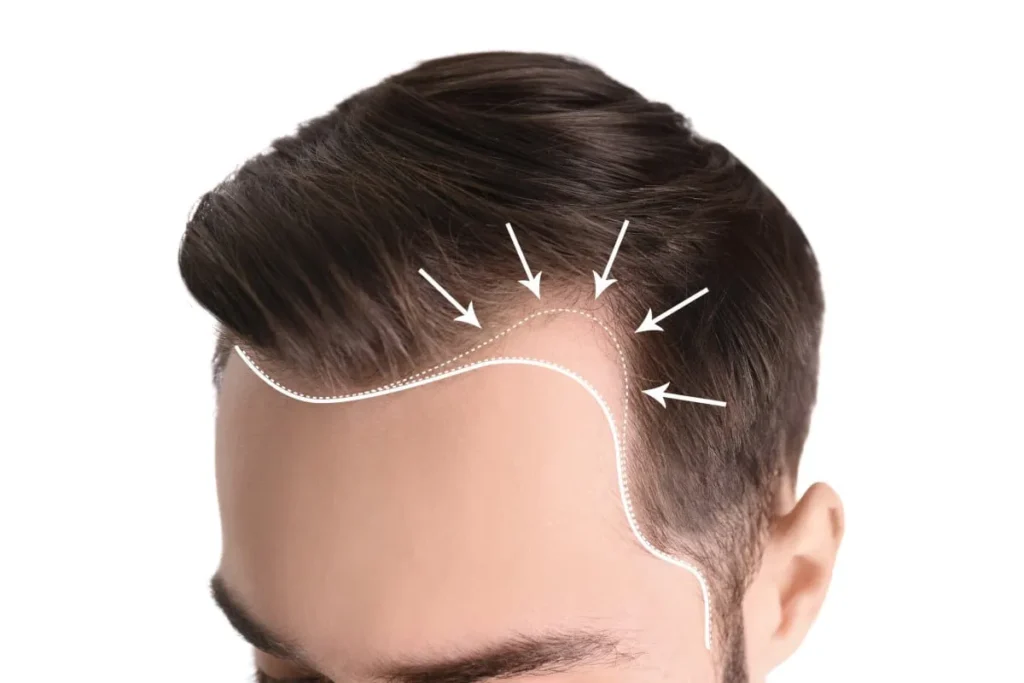
Waking up to find more hair on your pillow can be scary. It makes you wonder if your hairline is just maturing or if it’s receding. Many guys in their teens and twenties see changes in their hairline. It’s important to know if it’s just aging or if you’re losing hair.
It’s key to tell the difference between a mature hairline and a receding hairline. A mature hairline is a natural part of getting older. But a receding hairline might mean you’re losing hair. GoldCity Center‘s top dermatologists offer cutting-edge care to help you understand your hairline.
Key Takeaways
Distinguish between a mature and receding hairline.
Understand the natural aging process of your hairline.
Identify signs of pathological hair loss.
Explore expert care options for hair health.
Take control of your hair health with professional guidance.
Understanding Hairline Changes: Mature vs Receding

Understanding your hairline means knowing the difference between mature and receding hairlines. As we age, our hairlines change. It’s important to tell if these changes are normal or if you’re losing hair.
What Is a Mature Hairline?
A mature hairline is a natural change that happens between the late teens and early thirties. It usually stops moving by age 25 to 30. This change is gradual and doesn’t cause a lot of hair loss.
A mature hairline has a stable number of hairs and doesn’t move anymore.
What Is a Receding Hairline?
A receding hairline is a more noticeable change, often seen in male pattern baldness. It looks like an M-shaped hairline because the hair recedes at the temples. This can start in the late teens but gets worse with age.
Unlike a mature hairline, a receding one means you’re losing hair and could lead to balding if not treated.
Key Visual Differences
It’s important to know how to tell a mature hairline from a receding one. The table below shows the main differences:
Knowing these differences helps you understand if your hairline is just aging or if you’re losing hair.
By recognizing your hairline’s characteristics, you can take care of it better. Whether it’s a mature or receding hairline, knowing what it is helps you make better choices for your hair.
What Age Does Hairline Start Receding? Timelines and Causes

The age when a hairline starts to recede depends on genetics and hormones. As men get older, they’re more likely to see their hairline recede. But when it starts can vary a lot.
Age Range for Mature Hairline Development
A mature hairline usually shows up in men by their late teens to early twenties. It’s a natural aging process where the hairline settles into its final shape. But telling a mature hairline from a receding one can be tricky.
Knowing what a mature hairline looks like is important. It’s usually steady and doesn’t move back much. On the other hand, a receding hairline keeps changing and can lead to more hair loss.
Onset of Male Pattern Baldness
Male pattern baldness, or androgenetic alopecia, can start as early as the late teens or mid-twenties. Studies show about 25 percent of men see early signs of androgenetic alopecia by 21. By their mid-thirties, 50 percent notice symptoms.
The start of male pattern baldness is linked to hormonal changes. The conversion of testosterone to dihydrotestosterone (DHT) can shrink hair follicles and cause hair loss.
Physiological Differences
The differences between a mature hairline and a receding one are big. A receding hairline often looks like an M-shaped line because of hair loss around the temples. A mature hairline is more stable and doesn’t move back much.
Genetics, hormonal imbalances, and lifestyle choices can affect hairline health. Knowing these differences helps tackle hair loss problems better.
Spotting hairline recession early can lead to finding ways to stop or slow it. This way, people can keep their hair looking full and healthy.
Conclusion: Identifying Your Hairline Type and Next Steps
It’s important to know the difference between a mature and a receding hairline. This knowledge helps you decide the best way to handle your hairline. Whether you’re worried about a hairline that’s far back or when it starts to recede, understanding the difference is key.
A mature hairline is just a part of aging. But a receding hairline might mean you’re losing hair. Knowing the difference is vital to fight hair loss effectively.
If you’re not sure about your hairline, talk to a hair care expert. They can tell you if your hairline is maturing or receding. They’ll also suggest treatments to help your hair stay healthy and look great.
By understanding your hairline and taking action, you can feel more confident. Whether you’re facing a receding hairline or a normal one, there’s a way to make you feel stylish and confident.
FAQ
What is the difference between a mature hairline and a receding hairline?
A mature hairline is a natural part of aging. It usually stabilizes in the mid-to-late twenties. On the other hand, a receding hairline is often a sign of hair loss. This can be due to male pattern baldness or other factors.
Is my hairline maturing or receding?
If your hairline is just getting more defined or slightly higher, it might be maturing. But, if you’re seeing a lot of hair loss or an ‘M’ shape, it could be receding.
At what age does hairline recession typically start?
Hairline recession can start as early as the late teens to early twenties. But, it’s more common in men in their thirties and beyond. This is often due to male pattern baldness.
Can a high hairline be considered receding?
A high hairline isn’t always receding. It can be a natural characteristic. But, if it’s thinning or forming a ‘V’ shape, it might indicate hair loss.
How can I tell if I’m balding or just have a receding hairline?
If you’re losing a lot of hair, it could be balding. A receding hairline means your hairline is moving backward. Look at the temples and crown for hair loss signs.
What are the signs of a receding hairline?
Signs include a hairline moving backward, thinning hair, or an ‘M’ shape forming.
Can a mature hairline be treated or prevented?
While a mature hairline is natural, you can keep your hair healthy. Use gentle hair care products and manage stress. These steps can help your hair health.
What is the difference between a normal hairline and a receding hairline?
A normal hairline is smooth and curved. A receding hairline is more angular or ‘V’ shaped. It moves backward.
Why is my hairline so far back?
A hairline that seems far back can be due to genetics, hair loss, or a naturally high hairline. Seeing a dermatologist or hair specialist can help find the cause.
References
National Center for Biotechnology Information. Evidence-Based Medical Insight. Retrieved from https://www.ncbi.nlm.nih.gov/books/NBK278957/


