

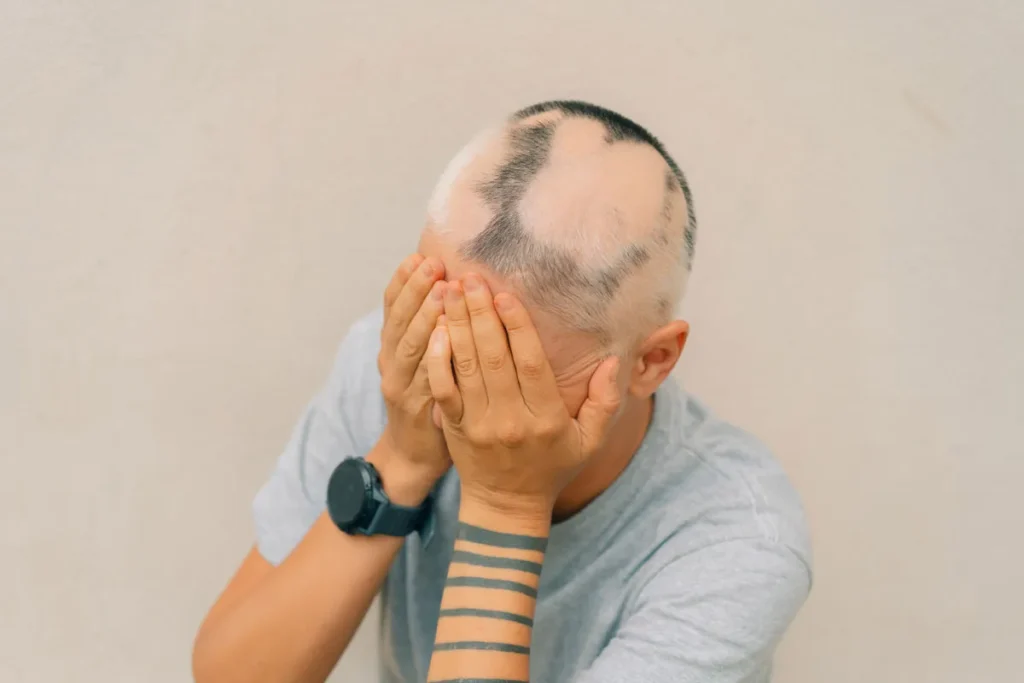
Alopecia can be a distressing condition for children and their families. It’s characterized by hair loss, which can be patchy or widespread. Understanding the underlying causes is key for effective treatment.
Alopecia areata, an autoimmune condition, is a common cause of hair loss in young patients. Other factors, including stress, nutritional deficiencies, and certain medical conditions, can also contribute to this condition.
At GoldCity Center, we approach childhood hair loss with compassion and a commitment to finding the right treatment. Our team works closely with families to understand the root cause and develop a personalized care plan.
Key Takeaways
Alopecia in children is a significant health concern that requires prompt attention.
Autoimmune conditions, stress, and nutritional factors can contribute to hair loss.
A thorough evaluation is necessary to determine the underlying cause.
GoldCity Center offers a patient-centered approach to treating childhood hair loss.
Effective treatment plans are tailored to the individual needs of each child.
Understanding What Causes Alopecia in Children

Pediatric hair loss, or alopecia, is a complex condition with various causes. It’s important for parents and caregivers to know the different types of alopecia. This knowledge helps in understanding its impact on a child’s health and well-being.
Prevalence and Statistics
Alopecia areata is a common form of alopecia in kids. It affects about 0.1% to 0.2% of children. Knowing this helps in raising awareness and promoting early diagnosis.
The condition can appear at any age, even in toddlers. It affects more than just their looks. It also impacts their emotional and psychological well-being.
Common Types of Pediatric Hair Loss
There are several types of hair loss in children, each with its own characteristics and causes.
Alopecia Areata: An autoimmune condition leading to patchy hair loss.
Telogen Effluvium: A condition causing excessive hair shedding due to stress or nutritional deficiencies.
Tinea Capitis: A fungal infection of the scalp, also known as ringworm, leading to hair loss.
Trichotillomania: A psychological disorder characterized by compulsive hair pulling.
Knowing about these conditions is key for proper management and treatment.
Alopecia Areata in Pediatric Patients

Alopecia areata in kids is more than just hair loss. It’s a condition that needs a deep understanding of its causes. It shows up as patchy hair loss, making kids and their families search for answers.
Autoimmune Mechanisms
Alopecia areata happens when the body’s immune system attacks hair follicles. This autoimmune response is complex, involving many immune cells and substances. Knowing how it works is key to finding good treatments.
Genetic Factors
Genetics play a big role in alopecia areata, with up to 25% of kids having a family history. Genetic predisposition makes some more likely to get it. Scientists are working to find out which genes are involved.
Identifying Symptoms and Patterns
The signs of alopecia areata can vary. They often include patchy hair loss on the scalp or other parts of the body. Nail changes can also happen. Spotting these signs early is important for managing the condition.
Parents and caregivers should watch for hair loss signs. If they see anything unusual, they should talk to a doctor. Early diagnosis can greatly improve treatment and management of alopecia areata in kids.
Other Common Causes of Childhood Hair Loss
Children can lose hair due to alopecia areata and other conditions. These include telogen effluvium and tinea capitis. Knowing about these helps parents and caregivers help their kids.
Telogen Effluvium: Stress-Related Shedding
Telogen effluvium happens when stress causes hair loss. This stress can be from a high fever, major surgery, or big emotional issues. It makes many hair follicles stop growing and rest, leading to a lot of hair falling out.
Symptoms of telogen effluvium include:
Excessive hair loss, often noticed on the pillow, in the shower, or on clothing
Diffuse thinning across the scalp, not in patches
Hair loss usually starts 3-4 months after the stressful event
Treatment for telogen effluvium focuses on fixing the stress cause. It also helps the hair grow back.
Tinea Capitis: Fungal Infections
Tinea capitis, or ringworm of the scalp, is a fungal infection. It causes patchy hair loss in kids. It’s contagious and spreads through contact with an infected person or object.
Quick treatment with antifungal meds is key. It stops the infection from getting worse and spreading.
Trichotillomania: Compulsive Hair Pulling
Trichotillomania is a condition where kids can’t stop pulling their hair. They might pull hair from their scalp, eyebrows, or other body parts.
Symptoms include:
Patchy hair loss with varying lengths of hair
Denial of hair pulling behavior
Emotional distress or anxiety related to hair pulling
Treatment for trichotillomania includes behavioral therapy. It might also involve meds for anxiety or stress.
Knowing about these conditions helps parents and caregivers support kids with hair loss. They can seek the right medical care.
Conclusion: Diagnosis and Support
Getting a correct diagnosis is key for kids with hair loss. It leads to the right support and treatment options. Kids with alopecia, like alopecia areata, need a careful plan. This plan should consider their age and how much hair they’ve lost.
Children with alopecia kids need a strong support system. This includes medical care and emotional support. Knowing the causes and treatment options helps parents support their child’s hair growth journey.
Building confidence is important. A caring and understanding approach helps kids with pediatric alopecia. It lets them face their condition with courage and beauty.
FAQ
What is alopecia in children, and how common is it?
Alopecia in children means hair loss on the scalp or body. It happens to about 1 in 1,000 kids. It can be caused by many things, like autoimmune diseases, infections, and stress.
What are the different types of alopecia that can affect children?
Kids can get alopecia areata, telogen effluvium, tinea capitis, and trichotillomania. Each one is different and needs its own treatment plan.
What is alopecia areata, and how does it affect children?
Alopecia areata is an autoimmune disease that causes hair loss. In kids, it shows up as round bald spots. It can also affect nails. Treatment helps manage the symptoms.
Can stress cause hair loss in children?
Yes, stress can lead to hair loss in kids, like in telogen effluvium. This is when a lot of hair falls out after stress.
How is tinea capitis (fungal infection) diagnosed and treated in children?
Doctors diagnose tinea capitis by looking, asking questions, and doing tests. Treatment is antifungal meds, given by mouth or on the skin.
What is trichotillomania, and how can it be managed in children?
Trichotillomania is when kids pull their hair out compulsively. It’s treated with therapy, counseling, and ways to handle stress.
Are there any effective treatments for alopecia in children?
Treatments for alopecia in kids vary based on the cause. They might include meds, lifestyle changes, or alternative therapies. Sometimes, hair loss is temporary, and treatment aims to help hair grow back.
How can parents support children experiencing hair loss due to alopecia?
Parents can help by being supportive, talking openly, and teaching coping skills. Getting help from a dermatologist or therapist is also important.
Can alopecia in children be a sign of an underlying health issue?
Yes, alopecia in kids might mean there’s a health problem, like an autoimmune disease or a lack of nutrients. A doctor’s check-up can find these issues.
How can I help my child cope with the emotional impact of alopecia?
Talk openly, boost their self-esteem, and get help from experts or support groups. It’s key to help them feel good about themselves.
References
National Center for Biotechnology Information. Evidence-Based Medical Insight. Retrieved from https://pmc.ncbi.nlm.nih.gov/articles/PMC10495068/


