

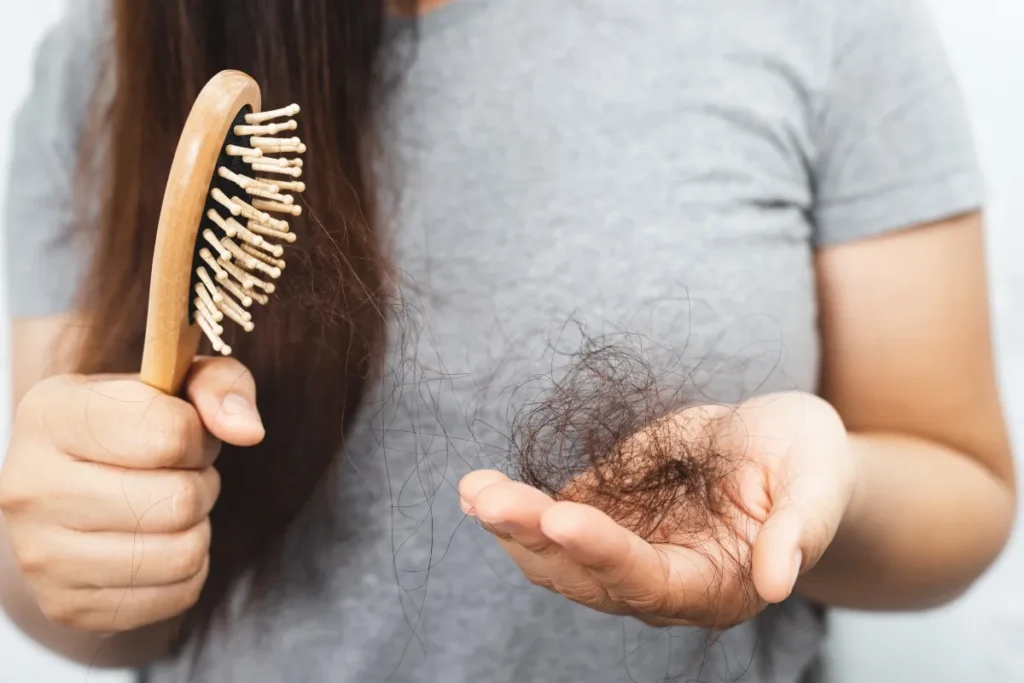
Hair loss is a big worry for millions around the world. It doesn’t matter if you’re young or old. It can really hurt how you feel about yourself. Knowing why it happens is key to fixing it.
About 85% of men and 33% of women deal with hair loss at some time. This shows how common it is. It’s important to look at why it happens, from genes to hormones and health issues.
Learning about the main causes of hair loss is a big step. It helps you feel better about yourself and tackle this common problem.
Key Takeaways
Understanding the medical causes of hair loss is essential for effective treatment.
Hair loss affects a significant percentage of the global population.
Genetics, hormonal changes, and medical conditions are among the primary causes.
Addressing hair loss can significantly impact one’s self-esteem and confidence.
Exploring the various factors contributing to hair loss is critical for prevention and treatment.
What Causes Hair Loss: The Science Behind Hair Shedding

It’s important to know why hair shedding happens. Losing 50-100 hairs a day is normal. But, if you lose more, it might mean there’s a health issue.
The Global Impact of Hair Loss
Hair loss affects people all over the world. It’s not just about looks; it can hurt how you feel about yourself. The global hair loss market is growing fast, thanks to more people wanting to find solutions.
Normal Hair Growth Cycle
The hair growth cycle has three main phases: anagen, catagen, and telogen. Knowing these phases helps spot hair loss problems early.
Anagen Phase: This is the active growth phase, lasting several years.
Catagen Phase: A short transitional phase, typically lasting 2-3 weeks.
Telogen Phase: The resting phase, where hair is released and falls out, lasting about 3-4 months.
Understanding hair shedding and the growth cycle helps tackle hair loss. It’s key to notice when hair loss is too much and get help from a doctor.
Genetic and Hormonal Hair Loss Factors

Hair loss can come from a mix of genetics and hormones. Knowing these causes is key to fighting hair loss.
1. Androgenetic Alopecia (Pattern Baldness)
Androgenetic alopecia, or pattern baldness, is a big reason for hair loss in both men and women. It makes hair thin on the scalp because of dihydrotestosterone (DHT), a strong hormone. Family history plays a big part in this condition.
People with balding in their family are more likely to lose hair. It can start in puberty and get worse over time, showing clear balding patterns.
2. Hormonal Imbalances and Changes
Hormonal shifts and imbalances also cause hair loss. Changes in hormones like thyroid, estrogen, and testosterone can mess with hair growth. Too much dihydrotestosterone (DHT) can shrink hair follicles, making hair thinner and shorter.
Hormonal changes during pregnancy, menopause, or thyroid issues can also lead to hair loss. Knowing how hormones affect hair can help find the right treatments. This could be hormonal therapies or medicines for specific imbalances.
By tackling genetic and hormonal hair loss, people can find treatments to improve their hair health. Whether it’s medical help or lifestyle changes, understanding hair loss causes is the first step. It’s the way to a luxury transformation and feeling confident again.
Medical Conditions That Cause Hair Loss
Hair loss can be upsetting, often caused by medical issues affecting many people. Knowing these conditions helps tackle hair loss better.
Telogen Effluvium: Stress-Related Shedding
Telogen effluvium makes you shed hair a lot, often due to stress, sickness, or hormonal shifts. This can be really scary as it causes a lot of hair loss after big stress events.
“Stress makes many hair follicles stop growing and rest, leading to a lot of hair falling out,” says Medical Expert, a dermatologist. Getting better is possible once the cause is fixed.
Autoimmune Disorders
Autoimmune disorders, like alopecia areata, happen when the immune system attacks hair follicles. This can happen to anyone, at any age or gender, causing patchy or total hair loss.
Thyroid Disorders
Thyroid issues, like hypothyroidism and hyperthyroidism, can cause hair loss. The thyroid gland is key for hair growth, and any imbalance can cause hair shedding.
It’s important to manage thyroid health to stop hair loss from thyroid problems. Getting the right diagnosis and treatment can help hair grow normally again.
Nutritional Deficiencies
Lack of iron, zinc, and biotin can lead to hair loss. Eating a balanced diet is key for healthy hair.
“Making sure you get enough nutrients is a big step in preventing hair loss,” says Medical Expert. Supplements can help if diet changes aren’t enough.
Conclusion: Seeking Treatment for Hair Loss
Understanding why hair loss happens is key to finding the right treatment. Knowing what causes hair loss helps people start fixing the problem.
Getting treatment for hair loss means looking at many angles. This includes medical checks, changing your lifestyle, and using specific treatments. Because hair loss reasons differ for everyone, treatments must be tailored.
By focusing on hair health, people can feel better about themselves. They can get a fuller, healthier head of hair. The best treatments tackle the real causes, like genetics, hormones, or health issues.
Helping people take charge of their beauty leads to a big change. Good hair loss treatment can make you look and feel great, improving your overall health.
FAQ
What is the main cause of hair loss?
Hair loss can come from genetics, hormones, and health issues. Androgenetic alopecia, or pattern baldness, is a common problem for both men and women.
What is focal hair loss, and what are its causes?
Focal hair loss happens in one area of the scalp. It’s often due to autoimmune diseases like alopecia areata or other health problems.
How do hormonal imbalances contribute to hair loss?
Hormonal imbalances, like the conversion of testosterone to DHT, can lead to hair loss. Changes in hormones during pregnancy, menopause, or thyroid issues can also cause hair loss.
What is telogen effluvium, and how is it related to hair loss?
Telogen effluvium is when you shed a lot of hair, often due to stress, illness, or hormonal changes. It can cause a lot of hair loss, but it’s usually temporary.
Can nutritional deficiencies cause hair loss?
Yes, not getting enough iron, zinc, or biotin can lead to hair loss. Eating a balanced diet with all the necessary nutrients is key for healthy hair.
What are the common medical conditions that cause hair loss?
Medical conditions like telogen effluvium, autoimmune diseases, thyroid issues, and nutritional deficiencies can cause hair loss.
How can I address my hair loss concerns?
Understanding why you’re losing hair helps you find the right treatment. See a healthcare professional for a full check-up and advice on what to do next.
What are the causes of hair loss in women?
Women can lose hair due to hormonal imbalances, genetics, and health issues like thyroid problems or not getting enough nutrients.
Can hair loss be treated, and what are the available treatment options?
Yes, hair loss can be treated. Options include getting a medical check-up, making lifestyle changes, and trying treatments like medications or low-level laser therapy.
References
National Center for Biotechnology Information. Evidence-Based Medical Insight. Retrieved from https://www.ncbi.nlm.nih.gov/books/NBK430924/


