

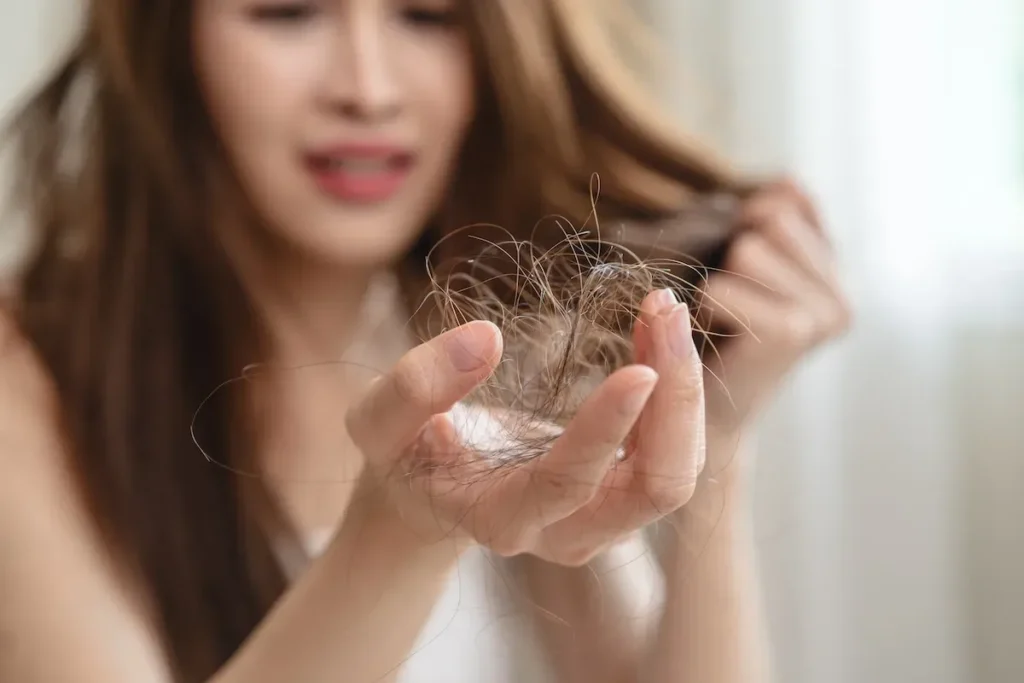
Hair loss is a big problem for millions of women worldwide. It’s not just about genetics or hormones. It’s also about stress and medical issues. Women’s hair loss is different from men’s and needs specialized attention.
Studies show that women experience hair loss more than men, at all ages. This can really hurt their self-esteem and daily life. Knowing why it happens is the first step to fixing it.
Key Takeaways
Female hair loss is a complex issue, influenced by genetics and hormones.
Androgenetic alopecia is the top reason for hair loss in women.
Hormonal imbalances and stress can make hair fall out more.
Medical conditions can also cause hair loss in women.
Understanding the causes is essential for finding the right treatment.
Understanding Female Hair Loss: Statistics and Patterns

It’s important to understand female hair loss to find good solutions. Many women face hair loss, and it gets worse with age.
The Prevalence of Hair Loss in Women
About 33% of women experience hair loss. This number goes up as they get older. By 50, 40% of women will notice hair loss. This shows how common hair loss is for women.
How Female Hair Loss Differs from Male Pattern Baldness
Male pattern baldness often means a receding hairline. But, female hair loss is usually a thinning all over the scalp. This is key for figuring out what’s wrong and how to treat it. Female hair loss keeps the hairline but thins the top part of the scalp.
Recognizing the Signs of Hair Loss
Spotting hair loss early is key. Look out for:
A widening part
Thinning at the crown
More hair falling out, often after washing or combing
Knowing these signs helps women get the right help. They can find treatments that fit their needs.
What Causes Hair Loss in Women: Primary Factors

It’s important to know why women lose their hair. Hair loss can make them feel bad about how they look. It also affects their confidence and happiness.
Androgenetic Alopecia (Female Pattern Hair Loss)
Androgenetic alopecia, or female pattern hair loss, is a common issue. It’s caused by genetics and hormones, like DHT. Genetics play a big role, so if your family has hair loss, you might too.
Hormonal Imbalances and Hair Loss
Hormonal changes can also cause hair loss. Menopause, pregnancy, and thyroid disorders can upset hormone levels. This can make hair thinner.
Pregnancy can also make hair fall out because of hormone changes after the baby is born.
Stress-Related Hair Loss (Telogen Effluvium)
Stress can make hair fall out too. This is called telogen effluvium. Big stress, illness, or extreme stress can make hair stop growing and fall out. But, this usually gets better once the stress goes away.
Other Medical Causes of Hair Loss
Medical issues can also cause hair loss. Thyroid problems, autoimmune diseases like alopecia areata, and skin issues like psoriasis can affect hair. Some medicines and not getting enough nutrients can also cause hair loss. It’s key to see a doctor to find out why.
Knowing the main reasons for hair loss is a big step. Women can then find ways to treat it. There are many options, like medicine, changing how you live, or a mix of both.
Conclusion: Treatment Options and When to Seek Help
Understanding why women lose their hair is key to finding solutions. It could be due to genetics, hormonal changes, stress, or health issues. Knowing the cause helps in tackling the problem.
Women facing hair loss have many options. These include medicines like minoxidil and spironolactone, supplements, hair transplants, and laser therapy. Starting treatment early is important, as it leads to better results, even for severe hair loss.
If you’re losing a lot of hair or seeing it thinning, get professional help. A doctor can find out why you’re losing hair and suggest the best treatment. Taking action early can help you feel confident and radiant again.
Teaching women about hair loss and treatments is the first step to a journey of regaining their hair’s beauty. With the right approach, women can overcome hair loss and show their full beauty.
FAQ
What are the main causes of hair loss in women?
Women lose hair due to several main reasons. These include androgenetic alopecia, hormonal imbalances, and stress. Other causes include thyroid disorders and autoimmune diseases.
How does androgenetic alopecia affect women?
Androgenetic alopecia, or female pattern hair loss, is a common cause. It’s influenced by genetics and hormones. This leads to thinning hair all over the scalp.
Can hormonal changes during menopause or pregnancy cause hair loss?
Yes, hormonal changes during menopause or pregnancy can lead to hair loss. This is because of the hormonal imbalances that occur during these times.
What is stress-related hair loss, and how is it triggered?
Stress-related hair loss, or telogen effluvium, happens due to stress. This can be physical or emotional. It causes more hair to fall out than usual.
Are there any medical conditions that can cause hair loss in women?
Yes, some medical conditions can cause hair loss. These include thyroid disorders and autoimmune diseases.
How can women experiencing hair loss seek help?
Women with significant hair loss should get help early. This can improve treatment results. Treatments include medications, supplements, hair transplants, and laser therapy.
What are the signs of hair loss that women should look out for?
Women should watch for signs like a wider part or thinning at the crown. Recognizing these early is key for timely help.
How does female hair loss differ from male pattern baldness?
Female hair loss is different from male pattern baldness. Women’s hair loss is more diffuse, unlike men’s receding hairlines.
What causes extreme hair loss in women?
Extreme hair loss in women comes from genetics, hormonal imbalances, stress, and medical conditions. These factors combine to cause significant hair loss.
Can hair loss in women be treated?
Yes, women can treat hair loss. Options include medications, supplements, hair transplants, and laser therapy. The right treatment depends on the cause.
References
National Center for Biotechnology Information. Evidence-Based Medical Insight. Retrieved from https://pmc.ncbi.nlm.nih.gov/articles/PMC6322157/


