

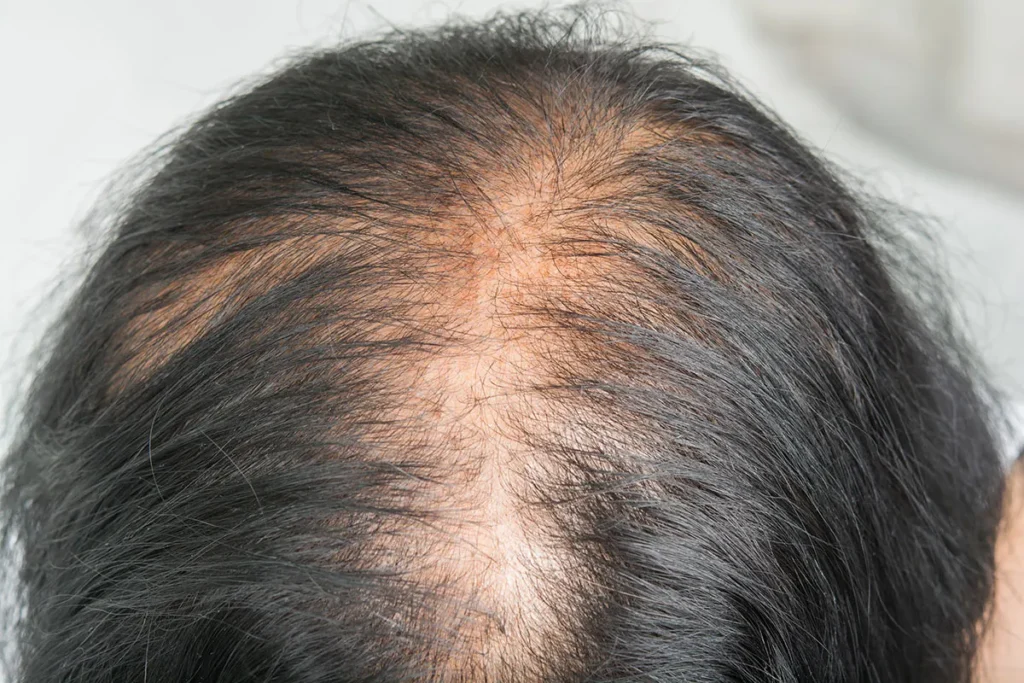
Alopecia is a condition that causes hair loss on the scalp or body. It can be temporary or permanent and affect people of all ages. It’s a distressing experience for those who have it.
Understanding alopecia means seeing how it affects people’s lives. It’s not just about hair loss. It also impacts their emotional and psychological well-being. As people get older, they are more likely to experience hair loss.
At GoldCity Center, our dermatology team is here to help. We offer detailed evaluations and treatment plans for hair loss. We aim to boost confidence and celebrate beauty for everyone, including those with alopecia.
Key Takeaways
Alopecia is a common condition affecting millions worldwide.
Androgenetic alopecia and alopecia areata are the two main types.
Alopecia can develop at any age, impacting self-esteem and confidence.
Early diagnosis and treatment are key for managing it well.
GoldCity Center’s dermatology team provides personalized treatment plans.
Understanding What Is Alopecia

Alopecia is more than just hair loss. It’s a term for different types of hair loss, each with its own causes and effects. It’s important to understand what it is and how it affects the body.
Definition and Medical Classification
Alopecia is divided into several types, with alopecia areata being a key one. It’s an autoimmune disease where the body attacks hair follicles. This leads to hair loss and can happen at any age, affecting both men and women.
Knowing the type of alopecia is key to finding the right treatment. The main types are:
Alopecia Areata: This is when the immune system attacks hair follicles, causing patches of missing hair.
Androgenetic Alopecia: Also known as pattern hair loss, it’s caused by genetics and hormones.
How Alopecia Affects the Body
Alopecia areata can deeply affect a person’s physical and emotional health. The sudden loss of patches of hair can lower self-esteem and confidence.
The symptoms of alopecia areata can differ, but often include:
Patchy Hair Loss: This is the most common symptom, where round patches of hair loss appear on the scalp or body.
Excessive Hair Shedding: Some people may also experience a lot of hair shedding.
Understanding how alopecia affects the body is key to helping and finding treatments. Recognizing its emotional and psychological impact helps people cope better.
It’s vital to understand alopecia fully, including its medical aspects and its impact on life. This way, we can better manage and support those affected.
Major Types of Alopecia and Their Characteristics

Alopecia is a complex condition that affects hair health in different ways. It comes in various forms, making it key to know each type to fight hair loss well.
Androgenetic alopecia and alopecia areata are two common types. Knowing about them helps in feeling modern and confident.
Androgenetic Alopecia (Pattern Hair Loss)
Androgenetic alopecia, or pattern hair loss, is a genetic issue caused by hormones. It makes hair thin over time, mainly on the scalp. It affects both men and women, showing up in a specific pattern.
It can start at any age, often in the younger years. Hormonal imbalances and genetics are big factors in its development.
Alopecia Areata: The Autoimmune Connection
Alopecia areata is an autoimmune disorder causing patchy hair loss. It leads to bald circles on the head. It happens when the immune system attacks hair follicles, causing hair loss in patches.
It can hit anyone, at any age, and is often triggered by stress and genetics. Knowing the autoimmune link is key to finding treatments.
Can You Develop Alopecia Later in Life?
As we age, the chance of getting alopecia grows. Alopecia, or hair loss, can happen to anyone. Knowing when it starts is key to dealing with it.
Age of Onset for Different Types
Alopecia isn’t just one thing; it’s many types. Androgenetic alopecia, or pattern hair loss, often starts in the late teens to early twenties. But it can get worse later in life.
Alopecia areata, an autoimmune disease, can happen at any age. This includes childhood and adulthood.
Gender also plays a part. Androgenetic alopecia starts earlier in men. Women often see it more after menopause.
Risk Factors That Trigger Late-Onset Alopecia
Several things can lead to alopecia later in life. These include:
Genetic predisposition: Family history is a big factor.
Hormonal changes: Changes in hormones, like during menopause, can cause hair loss.
Autoimmune diseases: Conditions like alopecia areata are linked to autoimmune disorders.
Stress and lifestyle factors: Stress, poor diet, and lifestyle choices can lead to hair loss.
Genetic and Environmental Influences
Genetics and environment both play big roles in alopecia. Genetics can make you more likely to get certain types. But things like stress, chemicals, and diet can also play a part.
Knowing about these factors helps manage alopecia. By understanding the mix of genetics and environment, you can take steps to keep your hair healthy.
For better hair health, try a balanced diet, manage stress, and take good care of your hair. This approach can help you feel more in control of your alopecia journey. It’s about turning hair loss into a journey of self-care and confidence.
Conclusion: Living with and Managing Alopecia
Living with alopecia means tackling its physical, emotional, and mental sides. Knowing about alopecia and its types, like alopecia areata, is key. This knowledge helps people manage their condition better.
Even if you get alopecia later in life, knowing the risks can prepare you. The right treatment and strategies can help you look and feel great, even with alopecia.
We aim to make beauty inclusive and boost confidence. Our goal is to help everyone on their alopecia journey. We want to guide them towards beauty and well-being, where everyone can shine.
FAQ
What is alopecia, and how does it affect the body?
Alopecia is a condition that causes hair loss. It affects people’s emotions and minds. There are different types, like alopecia areata and androgenetic alopecia.
Can you develop alopecia later in life?
Yes, getting alopecia gets more likely as you get older. Knowing what increases the risk is key to dealing with it.
What are the major types of alopecia, and how do they differ?
Main types are androgenetic alopecia and alopecia areata. Androgenetic affects both men and women. Alopecia areata is an autoimmune disease that can happen at any age.
What is alopecia areata, and how does it affect individuals?
Alopecia areata is an autoimmune disease causing hair loss in patches. It can happen at any age and affects people’s feelings and minds.
What are the symptoms of alopecia areata?
Symptoms include hair loss in patches on the scalp or body. It can also lead to bald spots, thinning hair, or changes in nails.
How is alopecia areata diagnosed?
Doctors diagnose it through physical exams, medical history, and sometimes scalp biopsies. They can then suggest the best treatment.
What are the treatment options for alopecia areata?
Treatments include medications like corticosteroids, immunotherapy, or minoxidil. Hair transplantation or wigs might also be suggested.
Can alopecia be treated, and what are the results?
There’s no cure, but treatments can manage it. Proven treatments can help hair grow, reduce loss, and improve well-being.
How can I manage alopecia and promote hair growth?
Managing alopecia needs a full plan, including medical treatment, lifestyle changes, and emotional support. A doctor can guide the best treatment.
References
National Center for Biotechnology Information. Evidence-Based Medical Insight. Retrieved from https://www.ncbi.nlm.nih.gov/books/NBK538178/


