
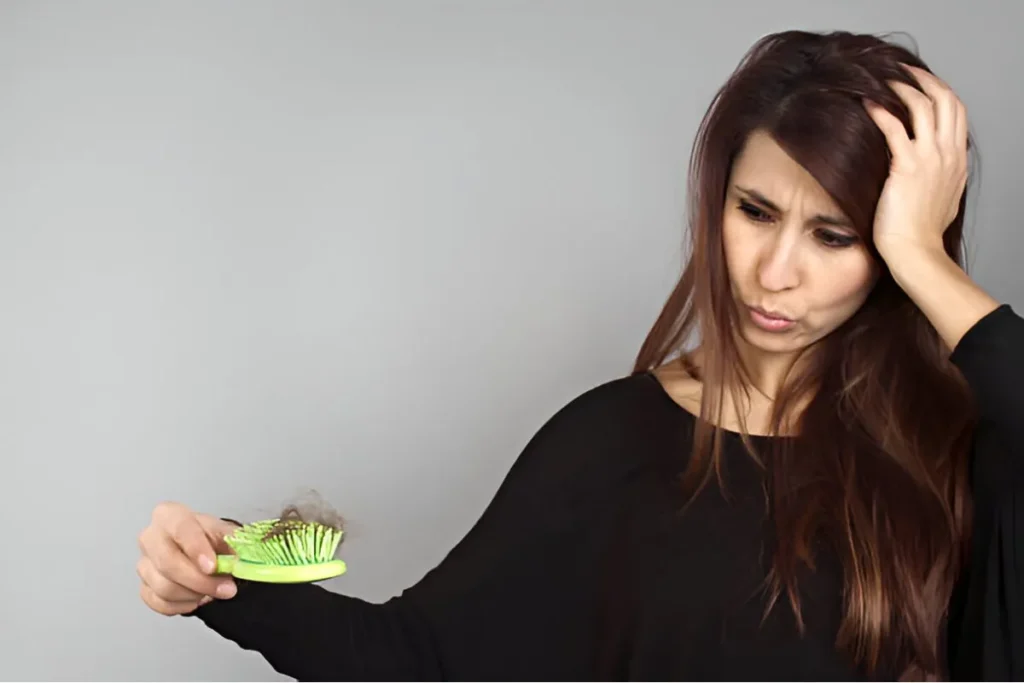
Hair loss is a big problem worldwide. Yet, many don’t realize how important diet and nutrition are for healthy hair. They also don’t know how they can stop hair loss.
What to eat for hair loss prevention. Discover amazing power foods and incredible nutrients that help you achieve thick, healthy hair naturally.
New studies show that certain nutrients can stop hair loss caused by bad nutrition. They also help hair grow strong from the inside. Not getting enough vitamin D and iron can lead to hair loss.
Learning about the connection between diet and hair health is key. It helps people start making changes to eat better. These changes are backed by science.
Key Takeaways
A well-balanced diet rich in essential nutrients can help prevent hair loss.
Nutritional deficiencies, such as lack of vitamin D and iron, contribute to hair loss.
Increasing intake of specific nutrients can support hair growth.
A healthy diet can help reverse hair loss caused by malnutrition.
Evidence-based medical science supports the role of diet in maintaining healthy hair.
The Science Behind Diet and Hair Loss

Diet is key in preventing hair loss. Nutritional gaps and oxidative stress are major culprits. Eating a balanced diet is essential for healthy hair follicles and growth.
How Nutritional Deficiencies Affect Hair Follicles
Nutritional gaps harm hair health. Protein, vitamins, and minerals are vital for hair growth. For example, iron is needed for hemoglobin, which brings oxygen to hair follicles.
Vitamin D is also important for hair growth. Without it, hair loss can occur. Zinc helps in repairing hair tissue, and a lack of it can cause hair loss too.
The Role of Oxidative Stress and Inflammation
Oxidative stress is a big factor in hair loss. It happens when free radicals outnumber antioxidants in the body. This leads to cell damage. Antioxidant-rich diets can protect hair follicles from damage.
Foods like berries, leafy greens, and nuts are full of antioxidants. Adding these to your diet can help keep your hair healthy.
What to Eat for Hair Loss Prevention

Eating the right foods can help a lot with hair health and prevent hair loss. A balanced diet with all the necessary nutrients is key. It helps keep hair follicles healthy and encourages hair to grow.
Essential Vitamins and Minerals for Hair Health
Vitamins and minerals are very important for hair. Vitamin C helps make collagen, which is important for hair structure. Vitamin E protects hair follicles from damage because of its antioxidant properties.
Iron: Essential for carrying oxygen to hair follicles.
Zinc: Supports hair growth and maintenance.
Biotin: Crucial for hair growth and strengthening hair follicles.
Protein-Rich Foods That Support Hair Growth
Protein is a key part of hair, making protein-rich foods vital for hair growth. Foods like eggs, salmon, and almonds are full of protein and good for hair health.
Antioxidant-Rich Foods That Combat Hair Loss
Antioxidants protect hair follicles from damage caused by oxidative stress. This can lead to hair loss. Foods like berries and spinach are full of antioxidants and good for hair.
Berries: High in vitamin C and antioxidants.
Spinach: Rich in iron and antioxidants.
Foods to Limit or Avoid
Some foods can harm hair health. It’s best to limit or avoid sugary and processed foods. They can cause inflammation and oxidative stress, leading to hair loss.
By adding these nutrient-rich foods to your diet and avoiding harmful ones, you can help keep your hair healthy and prevent loss.
Conclusion: Implementing Your Hair-Healthy Diet
Starting a hair-healthy diet can greatly improve your hair’s health. It can also lower the chance of losing hair due to not getting enough nutrients. Adding important vitamins, proteins, and antioxidants to your meals helps your hair grow and keeps it from falling out.
Pairing a balanced diet with other hair care methods like PRP therapy and homeopathy can make your hair even healthier. A diet for healthy hair isn’t just about food. It’s also about living a healthy lifestyle. Paying attention to signs of hair loss from malnutrition helps prevent it.
By following the tips in this article, you can take a complete approach to making your hair healthy and shiny. A well-fed scalp and hair follicles are key to having beautiful, stylish hair.
FAQ
What is the link between diet and hair loss?
A diet without key nutrients can cause hair loss. But, eating foods rich in vitamins, minerals, and proteins helps keep hair healthy and stops loss.
How do nutritional deficiencies affect hair health?
Lack of vitamin D, iron, and zinc harms hair follicles, leading to loss. It’s important to get enough of these nutrients for healthy hair.
What are the best foods to eat for hair loss prevention?
Eating foods like eggs, spinach, nuts, and fatty fish supports hair health. Berries and leafy greens fight oxidative stress too.
Are there any foods that can exacerbate hair loss?
Yes, too much sugar and processed foods cause inflammation and stress, leading to hair loss. Cutting down on these foods helps hair health.
Can a hair-healthy diet be combined with other hair care practices?
Yes, a balanced diet with practices like PRP therapy and homeopathy can improve hair health greatly.
How can I maintain a hair-healthy diet?
To keep your diet healthy for hair, eat a mix of vitamins, minerals, and proteins. Avoid foods that harm hair. Drinking water and managing stress also helps.
Does malnutrition cause hair loss?
Yes, not getting enough nutrients can cause hair loss because hair needs these for growth and maintenance.
What are the signs of malnutrition-related hair loss?
Signs include a lot of shedding, thinning, and brittle hair. Fixing nutritional gaps can help these symptoms.
References
National Center for Biotechnology Information. Evidence-Based Medical Insight. Retrieved from https://pmc.ncbi.nlm.nih.gov/articles/PMC5315033/


