

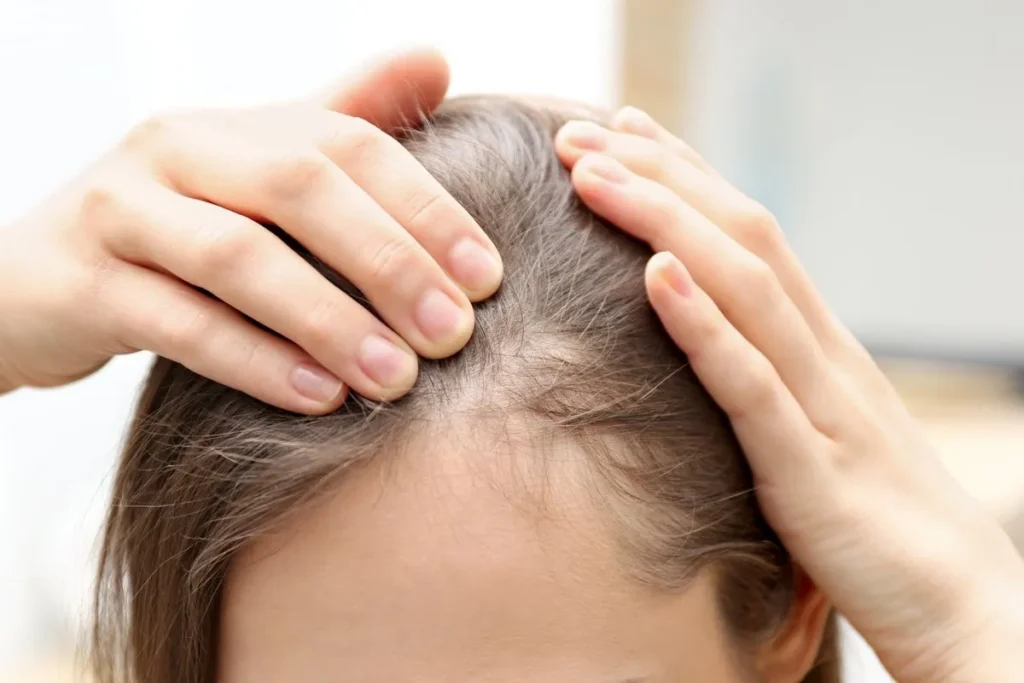
Which hormone causes hair loss in females? Discover the shocking truth and amazing, powerful ways to balance your health for incredible hair.
Women often see hair thinning and loss in their forties. This change can be upsetting and confusing. Hormonal shifts, like those during menopause, are key factors.
Knowing why hair loss happens is important. It helps spot problems early and get help fast. At GoldCity Center, we understand how hair loss affects you. We offer care that’s based on the latest science and focuses on you.
The mix of hormones like DHT, estrogen, and thyroid hormones affects hair growth. We’ll look at how these changes happen in your forties. This will help us understand why hair loss happens in women over 40.
Key Takeaways
Hormonal changes during menopause lead to hair loss in women over 40.
DHT, estrogen, and thyroid hormones are important for hair growth and density.
Knowing the hormonal reasons for hair loss is key to getting treatment.
GoldCity Center offers detailed care for hormonal hair loss.
Spotting early signs can stop more hair loss.
Understanding Female Hair Loss After 40

Hair loss in women over 40 is common, mainly due to hormonal changes. As women get older, hormone levels drop, affecting hair growth. Knowing about these changes helps tackle hair loss better.
Prevalence of Hair Loss in Women Over 40
About two-thirds of women see hair thinning or loss after menopause. Hormonal shifts during menopause are key. Estrogen levels drop, and androgens increase.
Decline in estrogen levels
Increase in androgen hormones
Impact on hair growth cycles
How Hormonal Changes Affect Hair Growth Cycles
Hormonal shifts, like lower estrogen and more DHT, affect hair growth. Estrogen supports hair growth, but DHT causes follicles to shrink. This leads to thinner, shorter hairs. Knowing about these changes helps manage hair loss.
The relationship between hormones and hair growth is complex. By understanding hormonal changes, women can face hair loss after 40 better.
Which Hormone Causes Hair Loss in Females: The Role of DHT

It’s important to know about dihydrotestosterone (DHT) to fight hair loss in women over 40. DHT is a strong form of testosterone that causes hair loss in both men and women.
What is DHT and How it Affects Hair Follicles
DHT makes hair follicles smaller, leading to thinner, shorter hairs and hair loss. This happens when DHT attaches to androgen receptors in the follicle. It starts a chain of changes that shrinks the follicle.
The Effects of DHT on Hair Follicles:
Miniaturization of hair follicles
Shortening of the hair growth cycle
Thinning of hair shafts
As DHT keeps affecting hair follicles, the hair growth cycle gets shorter. Hairs become finer and less pigmented. This makes hair appear thinner and less healthy.
Why DHT Effects Intensify After Menopause
After menopause, estrogen levels drop, making DHT’s effects worse. Estrogen usually balances out androgens like DHT. So, without estrogen, DHT’s impact on hair follicles grows stronger.
Knowing how DHT causes hair loss is key to finding treatments. By fixing hormonal imbalances, women can slow down or stop hair loss.
Other Key Hormones Contributing to Female Hair Loss
Hormonal changes in women over 40 can lead to hair loss. These changes include shifts in estrogen, thyroid hormones, and cortisol levels. Knowing about these hormonal changes is key to fighting hair loss.
Estrogen Decline and Its Impact on Hair Growth
Estrogen helps hair grow. When estrogen levels fall during menopause, hair becomes thinner and shorter. This hormonal drop makes hair stop growing and fall out more.
Estrogen’s role in hair growth is important:
It keeps hair in the growth phase longer.
It makes hair thicker and shinier.
It reduces shedding by keeping hair growing longer.
With less estrogen, these benefits fade, causing hair loss.
Thyroid Hormones and Hair Shedding
Thyroid hormones help hair follicles grow and develop. Both too little and too much thyroid hormone can cause hair loss.
Thyroid imbalances affect hair in many ways:
Hair becomes brittle and breaks easily.
Shedding increases because hair growth cycles are disrupted.
Hair texture changes, making it dry or coarse.
Cortisol: How Stress Affects Your Hair
Cortisol, or the “stress hormone,” greatly affects the body’s hormonal balance. High cortisol levels from stress can cause hair loss.
Cortisol’s effects on hair include:
It pushes hair follicles into the resting phase, leading to more shedding.
It disrupts the normal hair growth cycle.
It makes hair thinner and more brittle.
Reducing stress through meditation, yoga, or deep breathing can lessen cortisol’s harm to hair.
Managing Hormonal Hair Loss in Women Over 40
Women over 40 facing hormonal hair loss have many hair loss treatment options. Topical solutions like minoxidil can boost hair growth. Oral meds, such as finasteride, can block DHT, a hormone that causes hair loss.
Improving your lifestyle is also key. Eating well, reducing stress, and using gentle hair products can help. These steps promote hair growth and scalp health.
For better results, try treatments like PRP and LLLT. These therapies can stimulate hair growth and improve scalp health.
Combining these methods and consulting a healthcare pro can help. Women can then create a plan to manage hormonal hair loss. This way, they can achieve a fuller, healthier head of hair.
FAQ
What are the main hormonal changes that cause hair loss in women over 40?
Hormonal changes include a drop in estrogen and an increase in dihydrotestosterone (DHT). Thyroid hormone imbalances also play a role. These changes can disrupt hair growth cycles, leading to hair loss.
How does estrogen decline contribute to hair loss?
Estrogen helps hair stay in the growth phase longer. When estrogen levels drop during menopause, hair growth shortens. This results in thinner, shorter hair and more shedding.
What is DHT, and how does it cause hair loss?
DHT is a strong form of testosterone that shrinks hair follicles. This leads to thinner, shorter hair. After menopause, DHT’s impact increases, causing more hair loss.
Can thyroid hormone imbalances cause hair loss?
Yes, thyroid imbalances can lead to hair loss. Both underactive and overactive thyroid affect hair growth. This disrupts the normal cycle of hair growth.
How does stress contribute to hair loss?
Stress raises cortisol levels, disrupting hair growth. High cortisol can also increase DHT production. This worsens hair loss.
Are there effective treatments for hormonal hair loss?
Yes, treatments like minoxidil and hormonal therapies can help. Low-level laser therapy (LLLT) is also effective. Making lifestyle changes, like eating well and managing stress, can also help.
Can ovarian cysts cause hair loss?
Ovarian cysts, like those in PCOS, can cause hormonal imbalances. These imbalances, including too much androgen, can lead to hair thinning and loss.
How can I stop hormonal hair loss?
To stop hormonal hair loss, address the hormonal imbalances. This may involve medical treatments and lifestyle changes. Stress management is also key. A healthcare professional can guide you on the best approach.
References
Female pattern hair loss: Current treatment concepts. https://pmc.ncbi.nlm.nih.gov/articles/PMC2684510/


