

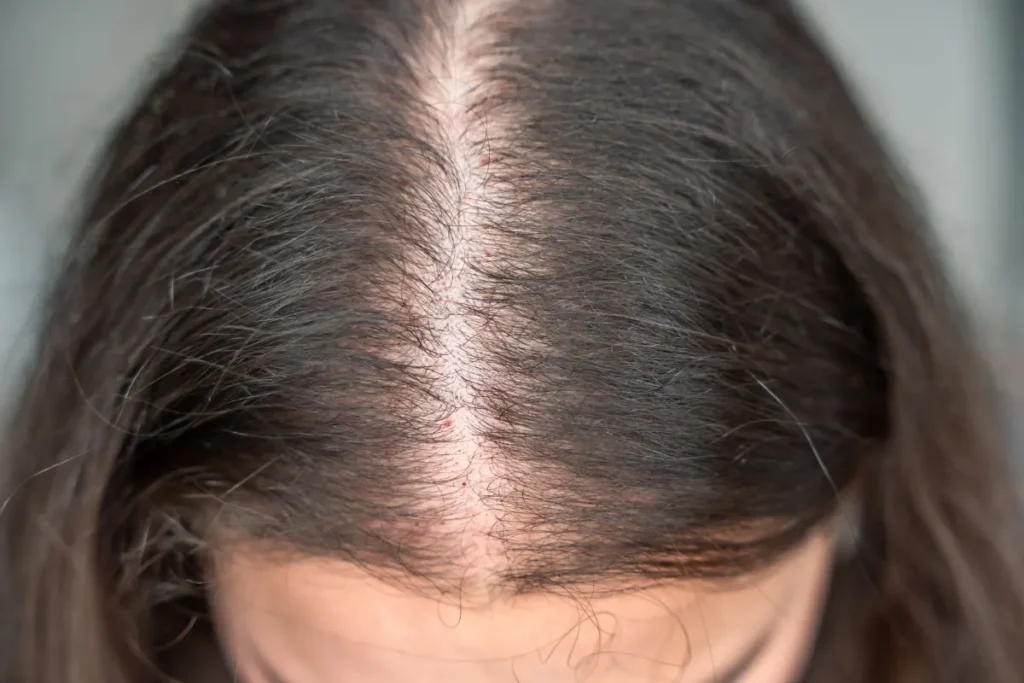
Experiencing hair thinning in your 20s can be really tough. But, you’re not alone. About 12 percent of women start losing hair before they’re 29. This is due to genetics, hormonal changes, and lifestyle choices.
Why is my hair thinning at 20 female? Get amazing relief and discover powerful, incredible ways to restore your thick hair and confidence.
One third of women face significant hair loss at some point. Even women in their 20s can be affected. It’s important for young women to understand the causes and find good solutions for hair loss.
Key Takeaways
Hair thinning in women in their 20s is more common than you think.
Genetics, hormonal changes, and lifestyle factors contribute to hair loss.
Understanding the causes is key to finding effective solutions.
Clinically significant hair loss affects about one third of women.
Getting professional help is vital for addressing hair thinning.
Understanding Hair Thinning in Young Women

Hair thinning in young women is a big worry. It affects how they look and feel about themselves. Many things can cause it, like genes, hormones, and lifestyle.
Prevalence of Early Hair Loss
Many young women face hair loss. Research shows a lot of women start losing hair in their 20s. Female pattern baldness is a common reason. It makes hair thin on the top and crown.
At Kopelman Hair, more young women are looking for help. This shows we need to talk about it and find good solutions.
Emotional Impact and Concerns
Hair thinning can really hurt a young woman’s feelings. It can make her feel insecure, low about herself, and worried. As one expert says,
Fixing hair thinning is more than just treating hair. It’s about making women feel good again. By knowing what causes it and what can help, young women can start to feel better about themselves.
Why Is My Hair Thinning at 20 Female? Common Causes

For many young women, hair thinning can be a big worry. Finding out why it happens is key. Hair thinning in women in their 20s can come from genetics, hormones, and lifestyle.
Female Pattern Baldness (Androgenetic Alopecia)
Female Pattern Baldness, or Androgenetic Alopecia, is a main reason for hair thinning in young women. It makes hair thin gradually, mainly on the top and crown. It often runs in families and can start with hormonal changes.
Stress-Related Hair Loss
Stress is another big factor in hair thinning. Stress makes hair follicles stop growing, leading to more hair falling out. Reducing stress through relaxation and self-care can help.
Medical Conditions
Certain medical conditions can also cause hair thinning. Issues like thyroid problems, autoimmune diseases, and skin conditions like eczema or psoriasis can harm hair health. Seeing a doctor is important to find and treat these problems.
Nutritional Deficiencies
Nutritional deficiencies are another common reason for hair thinning. Not getting enough iron, zinc, and biotin can slow down hair growth. Eating a balanced diet full of vitamins and minerals is key for healthy hair.
Understanding why hair is thinning is the first step to fixing it. By figuring out if it’s due to genetics, stress, medical issues, or lack of nutrients, young women can find ways to improve their hair health.
Effective Solutions and Treatments for Hair Thinning
Dealing with hair loss in your 20s means looking at treatments and making lifestyle choices. Young women facing hair thinning have many options. These can meet their specific needs.
Medical Treatments
Medical treatments are a good choice for hair thinning. Minoxidil is a topical that helps hair grow and slows loss. Low-level laser therapy (LLLT) uses a low-level laser to boost hair growth. Also, PRP (Platelet-rich plasma) hair treatment injects PRP into the scalp to stimulate hair growth.
Lifestyle Changes for Healthier Hair
Changing your lifestyle can greatly improve your hair health. Reducing stress through yoga, meditation, or regular exercise can help. Eating a balanced diet with biotin, vitamin D, and iron is also key.
Nutritional Approaches to Combat Thinning
Nutritional deficiencies can lead to hair thinning. Eating enough omega-3 fatty acids, zinc, and protein supports hair health. Always talk to a healthcare professional before starting supplements.
Hair Care Practices That Prevent Further Damage
Using gentle hair care practices is important to avoid damage. Avoid too much heat styling and use gentle shampoos and conditioners. Minimize harsh chemical treatments. Regular trims and gentle combing can also help prevent breakage.
Conclusion: Taking Control of Your Hair Health
Experiencing hair thinning in your 20s can be upsetting. But, it’s a condition that can be treated. Knowing why you’re losing hair is the first step to better hair health.
Whether it’s due to female pattern baldness, stress, or not eating right, there are ways to fix it. Getting help from a specialist is key to finding the right treatment for you.
By choosing the right treatments and making lifestyle changes, you can see big improvements. If you’re losing hair at 25, start taking steps now for healthier hair.
With the right approach, you can feel confident again. You can have the fuller, healthier hair you’ve always wanted. Start learning and taking action today to improve your hair health.
FAQ
What are the main causes of hair thinning in women in their 20s?
Hair thinning in women in their 20s can be caused by many things. Genetics, hormonal changes, and stress are big factors. Medical conditions and not getting enough nutrients also play a role. Knowing the cause is key to finding the right treatment.
Is hair thinning in young women a common issue?
Yes, hair thinning is a big worry for young women. About 12 percent of women experience it before they’re 29. One third of women will lose a lot of hair in their lives, making it a common problem.
Can stress cause hair loss in young women?
Yes, stress can lead to hair loss in young women. It can be caused by physical or emotional stress. It’s important to manage stress to keep your hair healthy.
What are the effective treatments for hair thinning in young women?
There are several effective treatments for hair thinning. Medical options like Minoxidil and low-level laser therapy work well. Changing your lifestyle, like eating right and managing stress, also helps. Plus, taking care of your hair can prevent more damage.
How can I prevent further hair damage and promote hair growth?
To stop hair damage and help it grow, use gentle hair care. Avoid too much heat styling and choose soft hair products. Eating well and managing stress are also important.
Can female pattern baldness be treated in young women?
Yes, female pattern baldness can be treated in young women. Medical treatments, lifestyle changes, and hair care can slow or stop hair loss. Getting help from a specialist is key to finding the right treatment.
How can nutritional deficiencies contribute to hair thinning?
Not getting enough iron, zinc, and biotin can lead to hair thinning. Eating well or taking supplements can help keep your hair healthy.
What lifestyle changes can help promote healthier hair?
Eating right, managing stress, and exercising regularly can help your hair. Avoiding too much heat styling and using gentle products also keeps your hair healthy.
References
National Center for Biotechnology Information. Evidence-Based Medical Insight. Retrieved from https://pmc.ncbi.nlm.nih.gov/articles/PMC2684510/


