
Explore alcohol and mental health to uncover critical secrets. See how drinking causes painful anxiety and learn powerful ways to stay sober.
Drinking alcohol can deeply affect your emotional well-being. It might seem like a quick way out, but it can make mental health issues like depression and anxiety worse. Studies show people with these problems are more likely to face alcohol use disorder.
The link between alcohol and mental health goes both ways. Alcohol can harm your mental state, and your mental health can also lead to drinking more. It’s important to understand this to tackle your emotional challenges.
Key Takeaways
Alcohol consumption can worsen underlying mental health conditions.
Individuals with depression or anxiety are more likely to struggle with alcohol use disorder.
The relationship between alcohol and mental health is complex and bidirectional.
Understanding this dynamic is key to addressing emotional struggles.
Seeking professional help is essential for those dealing with alcohol-related mental health issues.
Understanding Alcohol and Mental Health
Alcohol use and mental health are closely connected. Each can affect the other. Research shows a strong link between alcohol use disorder (AUD) and other substance use disorders (SUD).
More than 40% of men and 47% of women with AUD have had another SUD. This shows we need to tackle these issues together. Alcohol and mental health issues are complex, involving both mind and body.
The Complex Bidirectional Relationship
The link between alcohol and mental health goes both ways. Drinking can lead to mental health problems, and mental health issues can make people drink more. Drinking depression anxiety is common, as people might use alcohol to cope with their mental health.
Research shows people with mental health issues are more likely to develop AUD, and vice versa. This highlights the need for treatments that handle both alcohol use and mental health at the same time.
Prevalence of Depression and Anxiety in Alcohol Users
Studies show people with AUD are more likely to have depression and anxiety. These mental health issues are common among alcohol users. Depression and anxiety often go hand in hand with alcohol use.
The reasons for this are complex, involving genetics, environment, and psychology. Alcohol consumption and depression are closely tied, with drinking potentially making depression worse over time.
It’s important to understand how common depression and anxiety are among alcohol users. By recognizing the deep connection between alcohol use and mental health, healthcare providers can offer better care. They can address the unique needs of those struggling with these issues.
How Alcohol Changes Your Brain Chemistry
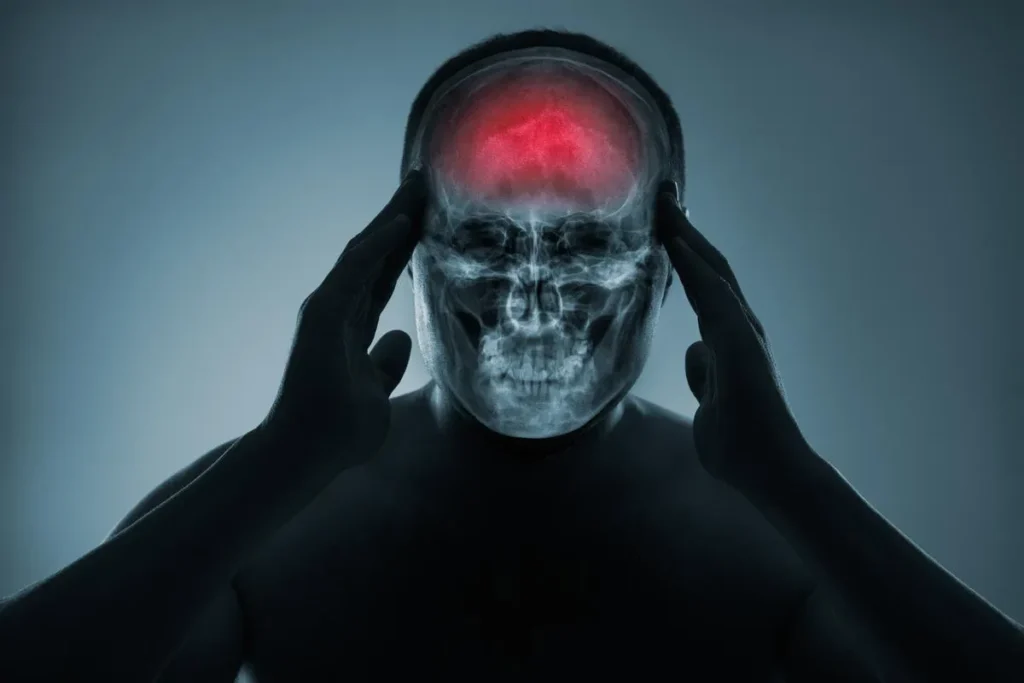
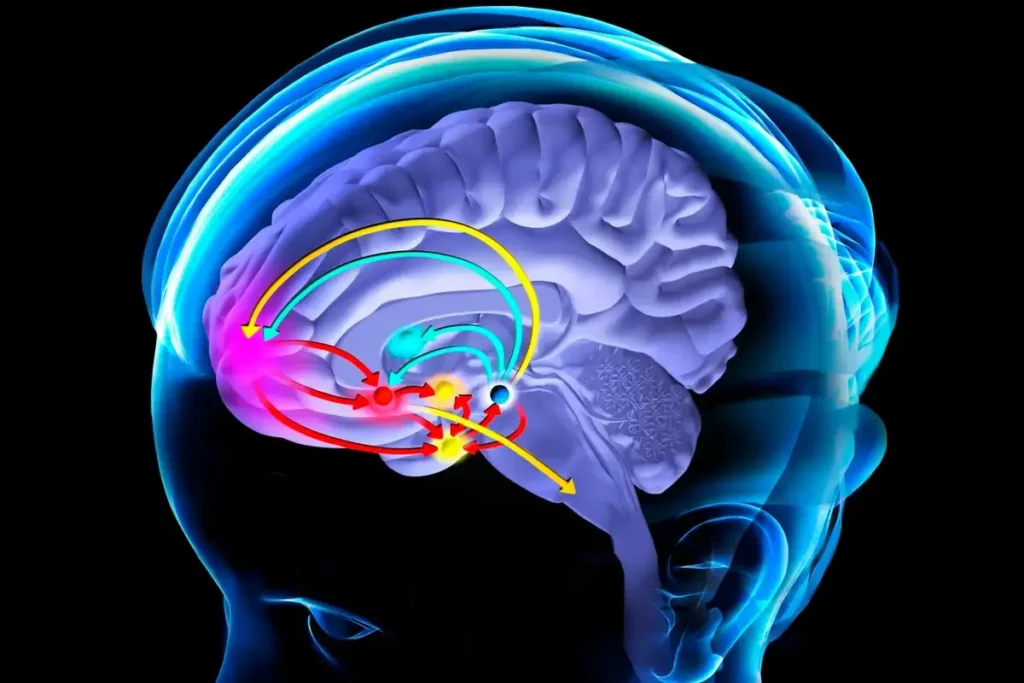
Drinking alcohol deeply impacts brain chemistry. It changes the levels of neurotransmitters and how we feel. This can lead to mood swings, changes in behavior, and affect our mental health.
Neurotransmitter Depletion and Mood Regulation
Alcohol messes with the brain’s chemicals, like serotonin and dopamine. These are key for our mood. Drinking can deplete these neurotransmitters, causing sadness, hopelessness, and anxiety. This can make depression and anxiety worse over time.
The brain’s reward system is also affected by alcohol. It releases chemicals that make us feel good at first. But, this feeling doesn’t last, and we can end up feeling worse than before.
Why Drinking Worsens Depression and Anxiety
Drinking can make depression and anxiety worse. The calming effect of alcohol can quickly turn into a vicious cycle. People might drink to cope, but it only makes their mental health issues worse.
Also, alcohol can mess with our sleep. Poor sleep can make depression and anxiety symptoms worse. This creates a hard cycle to break.
It’s important to understand how alcohol affects our brain chemistry. By knowing how it impacts neurotransmitters and mood, we can make better choices. We can also seek help when we need it.
The Deceptive Relief: Short-Term vs. Long-Term Effects
Drinking might seem to help with anxiety and depression at first. But, the long-term effects are very bad. Alcohol’s quick relief can make it seem like a good way to deal with mental health problems.
Temporary Emotional Relief from Drinking
Alcohol can make you feel relaxed and less anxious at first. This is because it affects the brain’s chemicals, like GABA and serotonin, which help us feel calm.
But, this feeling doesn’t last. The real problems stay the same. Here’s a table showing the difference between alcohol’s short-term and long-term effects on mental health.
The Emotional Aftermath: Why You Feel Worse Later
When the alcohol’s effects fade, you might feel worse than before. This is because your body’s chemicals are affected and it gets used to alcohol.
Using alcohol to cope can create a bad cycle. You drink to feel better, then feel worse, and drink again. To stop this cycle, you need to deal with your mental health and find better ways to cope.
It’s important to know how alcohol tricks you into thinking it helps. By understanding the difference between short-term and long-term effects, you can start working towards a healthier life.
Conclusion: Breaking the Cycle Between Alcohol and Mental Health
It’s key to understand how alcohol and mental health are linked. Drinking too much can make depression and anxiety worse. This can lead to alcohol dependence and other mental health problems.
Alcohol can also make you feel sad and angry. To get out of this cycle, seeking help is important. A doctor can check your health and refer you to services that help with alcohol addiction.
For serious mental health issues and drinking problems, mental health services are the best choice. The Mental Health Organization has tips on managing alcohol and its effects on mental health.
By knowing the dangers of too much alcohol and cutting back, you can boost your mental health. Try to drink no more than 14 units a week, spread over three or more days. Taking control of your drinking can make you feel better and more radiant.
FAQ
How does alcohol affect mental health?
Alcohol can change how our brains work, leading to depression and anxiety. It can make mental health issues worse. This is because alcohol and mental health have a complex relationship.
Can alcohol trigger depression?
Yes, drinking can start or make depression worse. Studies show a strong link between alcohol use and depression.
Why does alcohol make me emotional?
Drinking affects our brain’s mood regulators, like serotonin and dopamine. This can cause mood swings and emotional instability.
Does drinking make you angry?
Alcohol can make you less careful and more likely to act out. But, how it affects anger varies from person to person.
How does alcohol affect mental health long-term?
Drinking regularly can change our brain’s chemistry for the worse. This can lead to long-term mental health problems like depression and anxiety.
Can alcohol worsen depression?
Yes, alcohol can make depression worse. It might seem to help at first, but it can actually make symptoms worse over time.
What can alcohol do to your mental health?
Drinking can increase the risk of depression, anxiety, and other mental health issues. It can also make existing problems worse.
Why do I feel so depressed after drinking?
Depression after drinking comes from blood sugar drops and neurotransmitter loss. These are key for feeling good.
How does alcohol consumption relate to anxiety?
Drinking is closely tied to anxiety. It might seem to help at first, but it can actually make anxiety worse.
Can alcohol make you feel better temporarily?
Yes, drinking can give a quick emotional boost or calm. But, this relief is short-lived and can lead to worse feelings later.
References
Associations of common mental disorder with alcohol use in the adult general population: a systematic review and meta‐analysis. https://pmc.ncbi.nlm.nih.gov/articles/PMC9300028/