

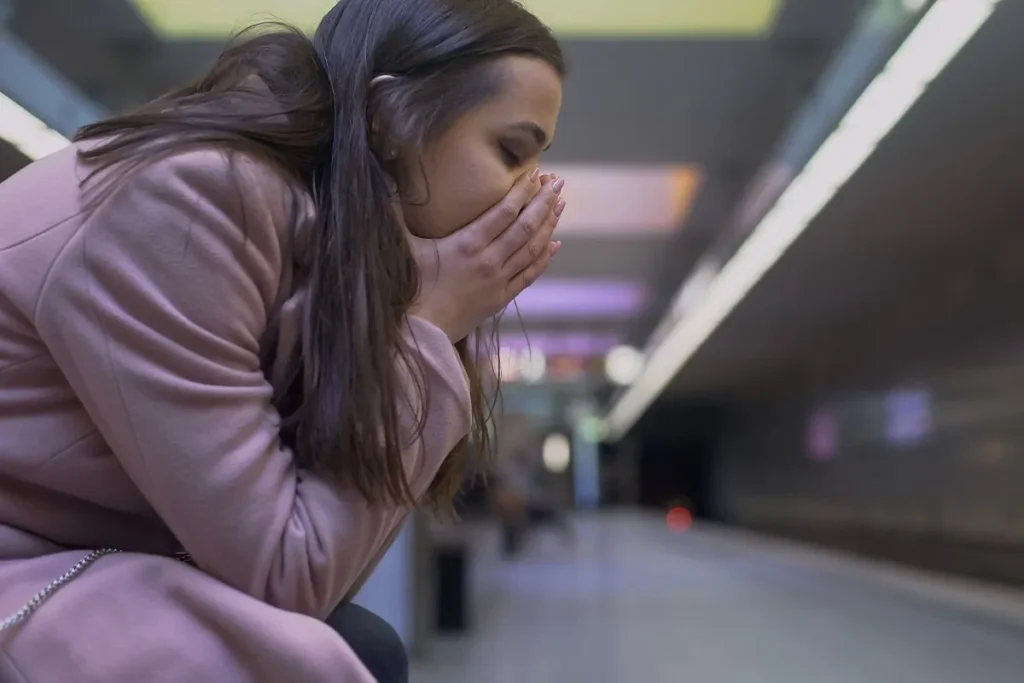
Many people use alcohol to deal with anxiety, hoping it will calm them down. But, this relief is short-lived. It hides a deeper issue that can lead to debilitating panic attacks and make anxiety worse over time.
Studies show that up to 50% of those getting help for alcohol use problems also have anxiety disorders. This shows a strong link between drinking and anxiety. It’s important to know how drinking changes brain chemistry and affects anxiety.
Key Takeaways
Alcohol consumption can lead to increased anxiety and panic attacks.
Using alcohol as a coping mechanism can worsen underlying anxiety triggers.
The relationship between alcohol and anxiety is complex and involves neurobiological mechanisms.
Research indicates a significant correlation between alcohol use disorders and anxiety disorders.
Understanding the impact of alcohol on brain chemistry is key to addressing anxiety.
Understanding Alcohol and Panic Attacks

There’s a strong link between drinking alcohol and getting panic attacks. Studies show that up to 50% of people with alcohol problems also have anxiety disorders. This is much higher than the 11% found in the general U.S. population. It’s clear we need to understand how alcohol and panic attacks are connected.
The Prevalence of Comorbidity
People with panic disorder often have a history of alcohol dependence. A study found that 25% of those treated for panic disorder also had alcohol dependence. This makes treating both conditions harder and can lead to worse results. As one study noted, “The co-occurrence of anxiety disorders and alcohol use disorders is a common phenomenon, and it has important implications for treatment.”
Source: A study on comorbidity
The Paradox of Alcohol and Anxiety
Drinking alcohol can seem to help with anxiety at first. But it can actually make anxiety worse over time. Alcohol changes the levels of important chemicals in the brain, like GABA and serotonin. This can make everyday situations feel more stressful and increase the risk of panic attacks. For more on how alcohol affects anxiety, check out Drinkaware.co.uk.
Understanding this paradox is key to finding better treatments. We need to treat both alcohol use and anxiety disorders together. By recognizing the complex relationship between alcohol and panic attacks, doctors can offer more effective help.
How Alcohol Disrupts Brain Chemistry

Drinking alcohol changes how our brains work, which can lead to anxiety and panic attacks. It’s important to know how this happens to understand the impact on our mental health.
Impact on Neurotransmitters
Alcohol messes with important brain chemicals like GABA, serotonin, dopamine, and norepinephrine. At first, it might make you feel relaxed and less worried. But, drinking too much or often can lower GABA levels, causing more stress and panic.
Serotonin and dopamine, which help control our mood, are also affected. Drinking a lot can harm these systems, making less of them over time. This can make you feel more anxious and depressed.
Alcohol’s Effect on the Stress Response System
Alcohol also messes with our body’s stress system, including the HPA axis. Drinking a lot over time can mess up the HPA axis, making anxiety and stress worse. When you stop or cut down on drinking, the HPA axis might stay too active, causing more anxiety after drinking.
The way alcohol affects neurotransmitters and the stress system shows how complex its effects on the brain are. Knowing this helps us tackle alcohol-induced anxiety and panic disorders.
Conclusion: Managing Alcohol-Induced Anxiety
It’s important to understand how alcohol and panic attacks are linked. Alcohol can make anxiety worse, creating a cycle of after drinking anxiety. Knowing the signs of anxiety after a night of drinking is the first step to stop this cycle.
Getting help and finding healthy ways to cope can lower the risk of alcohol-induced anxiety. By watching how much you drink and managing anxiety well, you can beat alcohol’s bad effects on your mind. Remember, drinking can make anxiety worse and taking steps to avoid this is key.
To manage alcohol-induced anxiety, you need to adopt healthier habits and face any underlying issues. By controlling your drinking and getting help when you need it, you can lessen the chance of anxiety after drinking. This will also improve your overall health and happiness.
FAQ
Why does drinking give me anxiety?
Drinking can make you anxious because it messes with your brain’s chemistry. It affects important chemicals like GABA, serotonin, and dopamine. At first, alcohol might make you feel relaxed by stimulating GABA. But, drinking too much or often can lower GABA levels, causing more tension and panic.
Does drinking help anxiety?
Drinking might seem to ease anxiety at first. But, it can actually make anxiety worse over time. Alcohol changes your brain’s chemistry, leading to more anxiety and a higher chance of panic attacks.
Does alcohol cause panic attacks?
Yes, alcohol can lead to panic attacks. It affects your brain’s chemicals and stress response, causing more anxiety and panic. People with panic disorder are more likely to become dependent on alcohol.
Can alcohol increase anxiety?
Yes, alcohol can increase anxiety. It messes with your brain’s chemistry, making you more anxious and prone to panic attacks. Drinking a lot or often can lower GABA levels, causing more tension and panic.
Why is my anxiety so bad after drinking?
Your anxiety might worsen after drinking because of how alcohol affects your brain. The drop in GABA levels and the stress response system can lead to more anxiety and panic attacks.
Does alcohol make anxiety worse?
Yes, alcohol can worsen anxiety. It might seem to help at first, but it can make anxiety worse over time. The changes in brain chemistry from drinking can lead to more anxiety and a higher risk of panic attacks.
What is post-alcohol anxiety?
Post-alcohol anxiety is the feeling of anxiety after drinking. It happens because alcohol disrupts brain chemistry and affects neurotransmitters like GABA, serotonin, and dopamine.
How can I manage alcohol-induced anxiety?
To manage anxiety caused by alcohol, you need a full plan. This includes understanding how alcohol affects your brain, getting professional help, and finding healthier ways to cope. Recognizing the link between alcohol and anxiety is the first step to overcoming it.
References
National Center for Biotechnology Information. Evidence-Based Medical Insight. Retrieved from https://pubmed.ncbi.nlm.nih.gov/2183544/


