

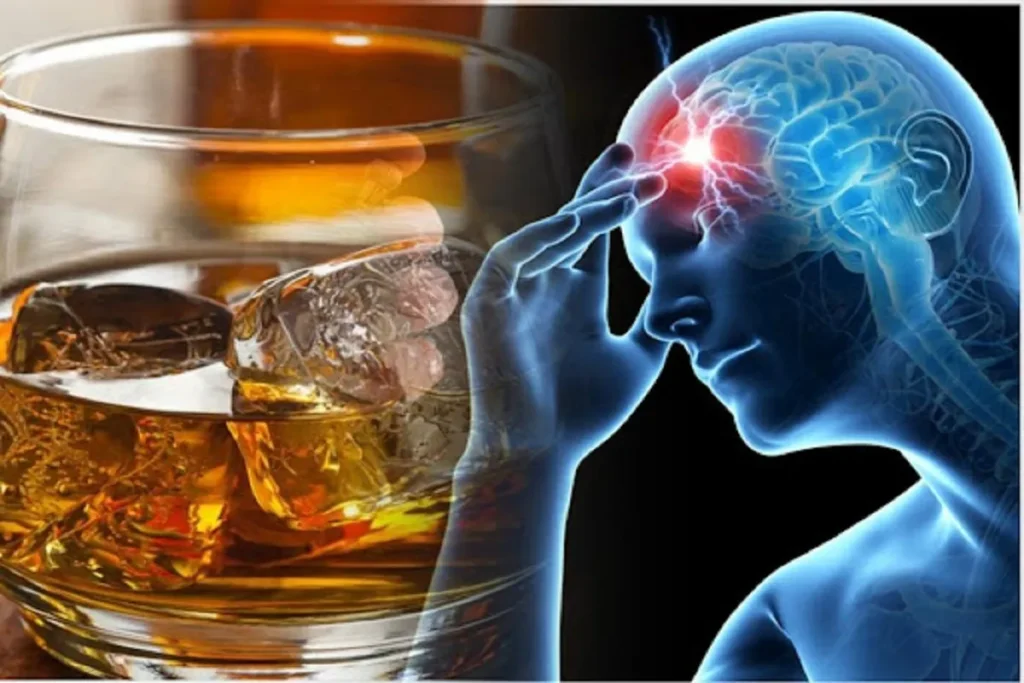
Knowing about alcohol withdrawal is key for those who drink a lot and want to stop. When someone stops drinking after drinking a lot, their body goes through big changes. These changes can be mild or very serious.
The withdrawal timeline varies from person to person but usually follows a certain pattern. Symptoms start within 12–24 hours after the last drink. At first, you might feel headaches, tremors, and a bit anxious.
Learning about the alcohol detox timeline can help you get through this tough time. Knowing what to expect can make it easier, both in body and mind.
Key Takeaways
Alcohol withdrawal symptoms usually start within 12-24 hours after the last drink.
The withdrawal timeline varies a lot and depends on how much and how often you drink.
First symptoms include headaches, mild anxiety, and hand tremors.
It’s important to understand the alcohol detox timeline to know when to get medical help.
Even though it’s tough, knowing what’s coming can help you cope better.
Understanding Alcohol Withdrawal

Alcohol withdrawal happens when the body stops getting alcohol after a long time. This is a complex process that changes how the body works.
What Causes Withdrawal Symptoms
Withdrawal symptoms come from the body adjusting to no longer having alcohol. The brain’s chemicals, like GABA and glutamate, play a big role. These chemicals get out of balance because of alcohol use, leading to dependence.
When you stop drinking, your body has to adjust. This adjustment is hard and can cause symptoms.
Factors Affecting Withdrawal Severity
How bad and long withdrawal symptoms last depends on a few things. These include how much and for how long you drank, your age, health, and past withdrawal experiences.
Knowing these factors can help you get ready for what’s coming. By understanding what causes and affects withdrawal, you can handle symptoms better. And, you should get medical help when you need it.
The Alcohol Detox Timeline: Day-by-Day Breakdown

Understanding the alcohol detox timeline is key. It shows what to expect each day. The journey is unique to each person, but knowing the general symptoms helps prepare for the road ahead.
Hours 6-12: Initial Symptoms
Withdrawal symptoms start 6 to 12 hours after drinking stops. Early signs are often mild. They include headache, mild anxiety, insomnia, small tremors, and stomach upset. These are the body’s first reactions to not having alcohol.
Day 1: Escalating Discomfort
By 24 hours, symptoms can get worse. Some people might see or hear things that aren’t there. It’s important to watch these signs closely. They show how the body reacts without alcohol. For more on detox duration, check The Recovery Village.
Days 2-3: Peak Intensity Period
Between 24 to 72 hours, symptoms hit their peak. This time is critical. It may include severe issues like seizures and delirium tremens. Getting medical help is a must during this phase.
Days 4-5: Symptom Reduction
By days 4 and 5, symptoms start to lessen for most. But psychological symptoms like anxiety and cravings can stick around. It’s vital to keep an eye on these and manage them as part of recovery.
Medical Considerations During Alcohol Detox
Medical care is key to a safe and successful alcohol detox. The journey to sobriety is complex. It needs careful medical attention to handle withdrawal symptoms.
When to Seek Emergency Help
Knowing when to get emergency help is vital. Severe symptoms like seizures, delirium tremens, or hallucinations are warning signs. These can be dangerous and should not be ignored.
Severe confusion or agitation
Hallucinations (visual, auditory, or tactile)
Seizures or convulsions
Delirium tremens (DTs)
If you or someone you know has these symptoms, get medical help right away.
Treatment Options for Safe Detoxification
There are many ways to support long-term sobriety. Medical detox programs provide constant care. They help during the toughest parts of withdrawal.
Some treatment options include:
Inpatient treatment programs: Offer full care in a structured setting.
Outpatient treatment programs: Provide flexibility for those who can’t stay in a facility but need regular support.
Medication-assisted treatment: Uses meds to manage withdrawal symptoms and cravings.
Understanding medical needs and treatment options helps ensure a safe detox. It’s about creating a supportive environment for long-term sobriety.
Physical withdrawal symptoms usually last 7 to 10 days. But some people may have longer symptoms. Medical detox is often the first step in treatment. It helps people get through the tough alcohol withdrawal process.
Conclusion
Knowing the alcohol detox timeline is key to beating alcohol addiction. It helps people prepare for the tough times ahead.
The timeline shows symptoms usually hit their peak between 24 to 72 hours without alcohol. With the right medical help, most can get through this and stay sober for good.
Recovery depends on how much damage alcohol has done and if someone keeps drinking after rehab. Most people can fully recover with the right detox and support. This lets them live a healthier, alcohol-free life.
FAQ
How long does it take to detox from alcohol?
Detoxing from alcohol usually takes 7-10 days. But, it can vary. This depends on how much and how often you drink, your health, and your genes.
What are the symptoms of alcohol withdrawal?
Symptoms can be mild or severe. They include headaches, anxiety, insomnia, and hand tremors. Hallucinations, seizures, and delirium tremens are also possible. The severity and how long symptoms last depend on your drinking habits.
When do alcohol withdrawal symptoms start?
Symptoms start within 6 to 12 hours after your last drink. They can get worse as time goes on.
How long does it take for alcohol withdrawal symptoms to peak?
Symptoms usually reach their peak between 24 to 72 hours after you stop drinking. This is a critical time with severe symptoms.
What are the worst days of alcohol withdrawal?
Days 2-3 are usually the worst. Symptoms are at their most intense. This can include hallucinations, seizures, and delirium tremens.
How long do alcohol withdrawal symptoms last?
Symptoms start to get better by day 4 and 5. But, anxiety and cravings can last longer.
What treatment options are available for safe detoxification?
There are many options. Medical detox programs offer 24/7 care. Inpatient and outpatient programs provide full support.
When should I seek emergency help during alcohol detox?
Seek emergency help if you have severe symptoms. This includes seizures, delirium tremens, or hallucinations.
Can I detox from alcohol at home?
Detoxing at home is possible. But, it’s not safe for heavy drinkers or those with severe symptoms. Medical detox offers a safer environment.
How can I manage my symptoms during alcohol detox?
Knowing the detox timeline and having support helps. It lets you prepare for and handle symptoms better.
References
National Center for Biotechnology Information. Evidence-Based Medical Insight. Retrieved from https://www.ncbi.nlm.nih.gov/books/NBK441882/


