

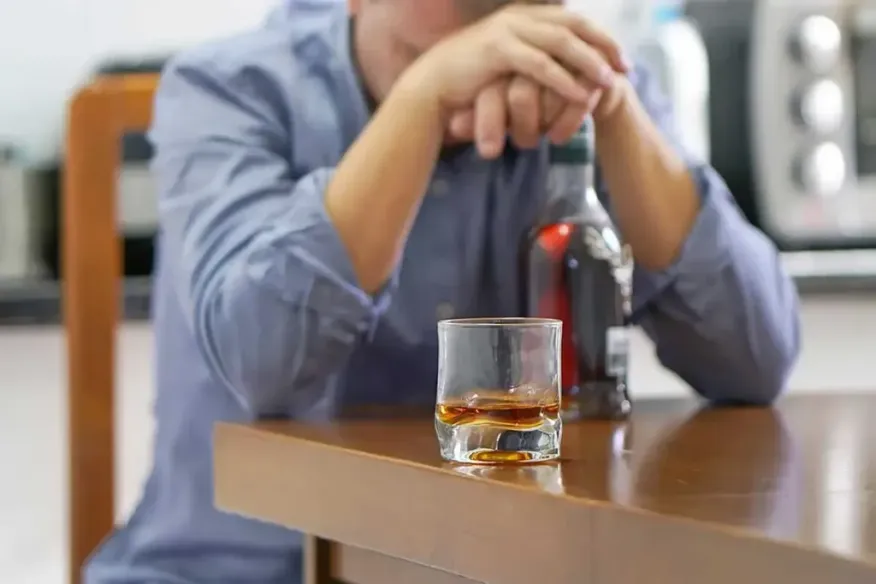
Understand alcohol withdrawal and seizures to avoid a scary risk. This powerful guide explains painful symptoms and vital medical care.
When someone stops drinking suddenly, their brain becomes very active. This can lead to seizures. Alcohol changes the brain’s chemistry, upsetting the balance between different chemicals.
The brain adjusts to alcohol by changing how certain chemicals work. When withdrawal happens, this balance is disrupted. This can cause seizures.
Key Takeaways
Alcohol withdrawal can lead to seizures due to neurochemical imbalances.
The brain’s chemistry is altered by chronic alcohol consumption.
Sudden cessation of drinking can cause hyperexcitability.
Understanding the underlying causes is key for effective management.
Seizures are a serious complication of alcohol withdrawal.
The Neurochemical Basis of Alcohol Withdrawal Seizures

Alcohol withdrawal seizures happen because of a brain imbalance. This imbalance comes from how alcohol changes the brain’s chemistry. It affects the GABA and glutamate systems, leading to hyperexcitability when alcohol is stopped.
GABA and Glutamate Imbalance
GABA is the brain’s main calming neurotransmitter. Glutamate is the main excitatory one. Alcohol first makes GABA work better and glutamate less. But, long-term use changes this, making GABA weaker and glutamate stronger.
When alcohol stops, the brain’s balance shifts. This leads to too much excitement and not enough calm. This can cause seizures.
Neuroadaptations During Chronic Alcohol Use
Long-term alcohol use changes the brain in many ways. For example, GABA receptors might decrease, while glutamate receptors increase. These changes help the body get used to alcohol but also lead to dependence.
A study in the American Family Physician shows how important these changes are. They help manage withdrawal symptoms, including seizures
When alcohol is stopped, the brain gets too excited. This is because of the changes in neurotransmitters. These changes can cause alcohol withdrawal seizure symptoms, from mild to severe. Knowing these changes helps manage and prevent seizures.
Understanding Alcohol Withdrawal and Seizures

Alcohol withdrawal is a complex process that can lead to severe complications, including seizures. When someone stops drinking after a long period, their brain and body must adjust. This adjustment can cause a range of symptoms, from mild to severe, including seizures.
Types of Seizures in Alcohol Withdrawal
The most common seizure in alcohol withdrawal is the generalized tonic-clonic seizure, or grand mal seizure. These seizures involve a loss of consciousness and violent muscle contractions. They are dangerous and can be life-threatening.
The Timeline: When Seizures Typically Occur
Knowing when seizures can happen during alcohol withdrawal is key. Seizures usually occur within 12 to 48 hours after the last drink. The exact timing can vary based on several factors, including how dependent someone is on alcohol and their overall health.
It’s important to remember that while generalized tonic-clonic seizures are common, the risk of seizures during alcohol withdrawal is serious. Getting medical help during detox can greatly reduce the risk of severe complications, including seizures.
Risk Factors and Prevalence
It’s important to know who is at risk for alcohol withdrawal seizures. These seizures are a serious problem for people who drink a lot over time.
Statistical Overview
Alcohol withdrawal seizures happen a lot in some groups. About 2 million Americans get withdrawal symptoms every year. Some of these people will have seizures.
Prevalence Statistics:
Who Is Most Vulnerable
Some people are more likely to have alcohol withdrawal seizures. This includes:
Heavy, chronic alcohol use
History of prior withdrawal seizures
Co-occurring medical conditions
Other substance use disorders
People who drink a lot over time are at a higher risk. Their brains get used to alcohol, causing big changes.
Healthcare providers can spot at-risk individuals by knowing these risk factors. They can then take steps to prevent seizures.
Conclusion
Alcohol withdrawal seizures are a serious issue that can happen when someone stops drinking. The brain gets used to alcohol and changes how it works. This is why seizures can happen when alcohol use stops.
When someone stops drinking, their brain’s balance changes. This can lead to seizures. The risk of seizures is highest in the first 48 hours after stopping.
Knowing the risks and when seizures might happen is important. It helps people and their caregivers take steps to stay safe. Getting medical help is key to managing withdrawal safely.
By understanding the risks of seizures, people can seek help early. This makes the withdrawal process safer. It helps them take charge of their recovery and avoid serious problems.
FAQ
Why does alcohol withdrawal cause seizures?
Alcohol withdrawal can cause seizures because of changes in the brain. These changes affect the balance between GABA and glutamate neurotransmitters.
What is the role of GABA and glutamate in alcohol withdrawal seizures?
GABA and glutamate are key neurotransmitters. Chronic alcohol use disrupts their balance. This imbalance can make the brain too excited, leading to seizures.
What types of seizures are associated with alcohol withdrawal?
Generalized tonic-clonic seizures, or grand mal seizures, are common in alcohol withdrawal. They cause a loss of consciousness and muscle contractions.
When do seizures typically occur during alcohol withdrawal?
Seizures usually happen 12 to 48 hours after the last drink. But timing can vary based on how much someone drank and their health.
Who is most vulnerable to alcohol withdrawal seizures?
People who drank a lot over time are at higher risk. Those who had seizures before are also more likely. Other health issues and substance use can increase risk too.
Can you have seizures from alcohol withdrawal?
Yes, people who drank a lot can have seizures during withdrawal.
What are the symptoms of an alcohol withdrawal seizure?
Symptoms include losing consciousness, muscle contractions, and convulsions.
How can alcohol withdrawal seizures be prevented?
Getting medical help during withdrawal is key. It helps manage withdrawal safely and lowers the risk of seizures.
What causes alcohol withdrawal seizures?
Seizures happen because of changes in GABA and glutamate. These changes come from long-term alcohol use.
When do alcohol withdrawal seizures usually happen?
Seizures usually happen 12 to 48 hours after the last drink.
References
National Center for Biotechnology Information. Evidence-Based Medical Insight. Retrieved from https://pmc.ncbi.nlm.nih.gov/articles/PMC1312739/[1


