

Alcoholism is a serious condition that affects millions globally. It’s important to know the physical signs of alcoholism to help those struggling.
One key sign is the state of their hands. They might show tremors and nerve damage. These signs can show if someone has been drinking too much for a long time. Knowing these signs helps in getting help early.
GoldCity Center focuses on both physical and emotional health in treating alcoholism. By spotting the physical features of an alcoholic, people can start their journey to recovery. This journey can lead to a luxury transformation in their life.
Key Takeaways
Recognizing physical signs of alcoholism is key for early help.
Alcoholic hands often show tremors, shaking, and nerve damage.
Facial changes, like redness and puffiness, are common signs.
Understanding these signs can help people seek help.
GoldCity Center’s approach tackles both physical and emotional sides of alcoholism.
The Physical Manifestations of Chronic Alcohol Use

Long-term alcohol abuse has many physical effects. It can harm many parts of the body. This can lead to serious health problems.
Alcohol can damage the liver, heart, and other important organs. Liver damage is a big risk. Conditions like alcoholic hepatitis and cirrhosis often affect heavy drinkers.
How Alcohol Damages the Body
Chronic alcohol abuse can cause many health issues. These include heart disease, stomach problems, and a weak immune system. The table below shows some of these health problems.
Why Early Recognition Matters
Spotting the signs of alcoholism early is key. It helps prevent long-term damage and supports those struggling. Early detection allows for timely help and recovery.
Knowing the signs of chronic alcohol use is the first step to recovery. It’s vital to recognize these signs to offer support and help.
Identifying Alcoholic Hands and Body Changes

Drinking too much alcohol can change how your hands and body look. These changes can help spot people who might be addicted to alcohol.
1. Hand Tremors and Shaking
Hand tremors and shaking are common signs of too much alcohol. Alcohol affects the nervous system, causing hands to shake on their own. For more info, check out Dover Behavioral Health.
2. Alcoholic Neuropathy
Alcoholic neuropathy happens when nerves get damaged from drinking too much. It causes tingling, numbness, and pain in hands and feet. This can really hurt someone’s life quality.
3. Palmar Erythema
Palmar erythema makes palms turn red because of too much alcohol. It’s when blood vessels in the palms get bigger, making them look red.
4. Nail Abnormalities
Nail problems can hint at health issues linked to alcohol. Changes in nail texture, color, or growth might mean nutritional problems or other health issues from drinking too much.
Facial Signs of Alcoholism
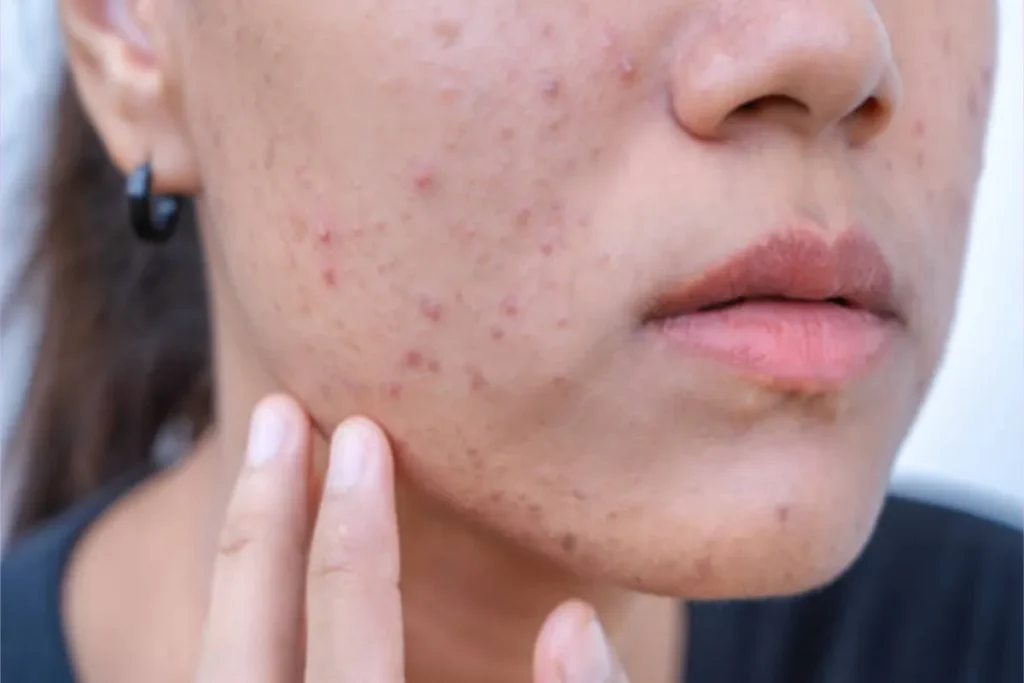
The face can show signs of alcoholism, like redness and blood vessel problems. Alcohol affects the body in many ways, and the face is no exception. Long-term drinking can cause facial changes that show health issues.
Persistent Facial Redness
One clear sign of alcoholism is a red face, often on the cheeks and nose. This happens because of blood vessels getting wider near the skin’s surface. Drinking too much alcohol can cause chronic vasodilation, making the face look red and flushed.
Redness can also feel warm or burn, as the body reacts to alcohol. Over time, this redness can stay, showing alcohol-related problems.
Broken Blood Vessels and Spider Veins
Broken blood vessels and spider veins are also signs of alcoholism. These small, wide blood vessels look like a spider web on the skin. Drinking too much can weaken blood vessels, making them break and show damage.
Spider veins are not just a cosmetic issue but also show the body’s fight against alcohol. They indicate the body’s trouble keeping blood vessels healthy.
Swelling and Puffiness
Swelling and puffiness in the face can also point to alcoholism. Alcohol makes the body hold onto water, causing a puffy look, mainly around the eyes and cheeks. This swelling is not just about looks; it shows the body’s reaction to alcohol.
Alcohol also messes with the liver, leading to toxin buildup. This can make the face look swollen or puffy.
Spotting these facial signs of alcoholism is key for early help. Knowing the physical signs of alcohol use helps people get help sooner, avoiding more health problems.
Conclusion
It’s important to know the signs of alcoholism to help those who may be struggling. Physical signs like changes in facial appearance and body shape can show a bigger problem.
Alcoholism can cause serious health issues, like weight loss and a decrease in appetite. Spotting these signs is the first step to getting help. There are many ways to treat alcoholism, like therapy, support groups, and making lifestyle changes.
By recognizing the signs of alcohol dependence, we can offer support and guidance. Getting professional help is key to recovery. With the right treatment, it’s possible to beat addiction and stay sober for a long time.
FAQ
What are the physical signs of alcoholism?
Signs of alcoholism include hand tremors and nerve damage. You might also see facial redness, broken blood vessels, and swelling. Other signs are palmar erythema, nail issues, and changes in skin tone.
How does chronic alcohol use damage the body?
Drinking too much alcohol can harm the liver, heart, and other organs. It can also lead to nerve damage, skin problems, and other serious issues.
What are the signs of alcoholic hands?
Alcoholic hands show signs like tremors and nerve damage. You might also see palmar erythema, a redness in the palms, and nail problems.
Can alcoholism cause facial changes?
Yes, alcoholism can lead to facial changes. These include persistent redness, broken blood vessels, and swelling. These changes happen due to damage from chronic alcohol use.
What is alcoholic neuropathy?
Alcoholic neuropathy is nerve damage from drinking too much alcohol. Symptoms include numbness, tingling, and pain in the hands and feet.
Do alcoholics often experience weight loss?
Yes, alcoholics may lose weight. This is due to poor nutrition and changes in metabolism.
Can alcoholism cause changes in skin tone?
Yes, alcoholism can change skin tone. You might see redness, sallowness, or other discolorations.
What is palmar erythema?
Palmar erythema is red palms, often linked to chronic alcohol abuse.
References
New England Journal of Medicine. Evidence-Based Medical Insight. Retrieved from https://www.nejm.org/doi/full/10.1056/NEJMcps041333


