
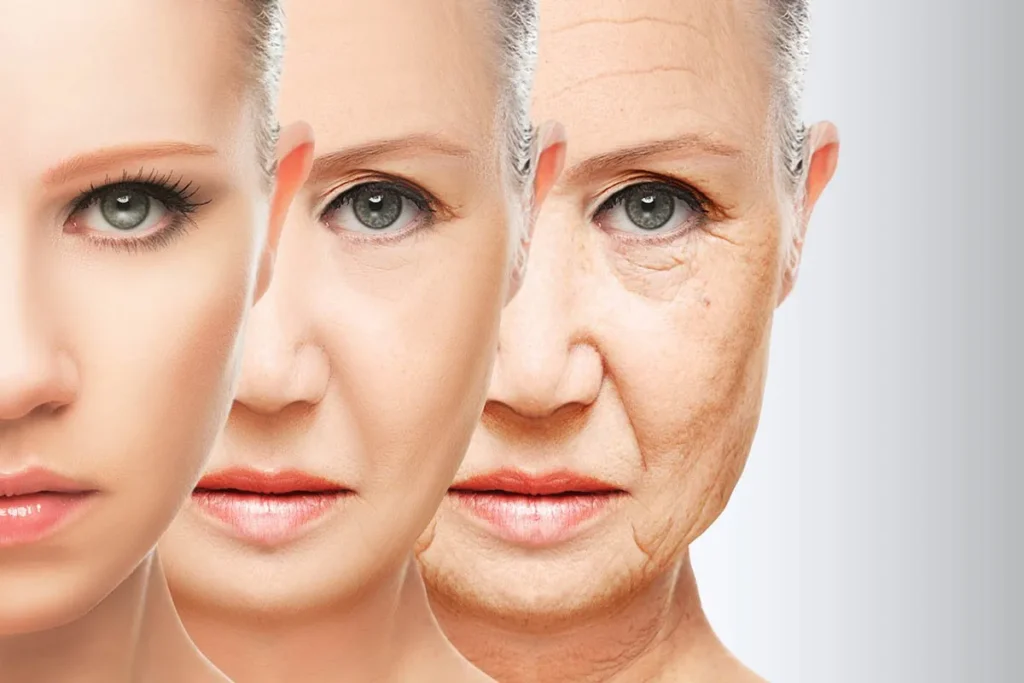
When we hit our 40s, our skin starts to change a lot. It loses collagen, elastin, and moisture. This can make wrinkles and dryness more visible. To fight these signs, we need a good anti-wrinkle regimen that understands these changes.Build the best anti wrinkle regimen with these brilliant steps. Use powerful daily habits to achieve amazing, youthful skin after forty.
Dermatologists say a steady and balanced skincare routine is essential. They suggest using retinoids, vitamin C, and hyaluronic acid for their anti-aging benefits. For more tips on skincare in your 40s, check out Byrdie’s Skincare Advice.
Key Takeaways
Understand the changes that occur in your skin after 40.
Use clinically proven ingredients like retinoids and vitamin C.
Maintain a consistent and balanced skincare routine.
Protect your skin from the sun with SPF 30 or higher.
Moisturize with richer textures to lock in hydration.
Understanding Skin Changes After 40
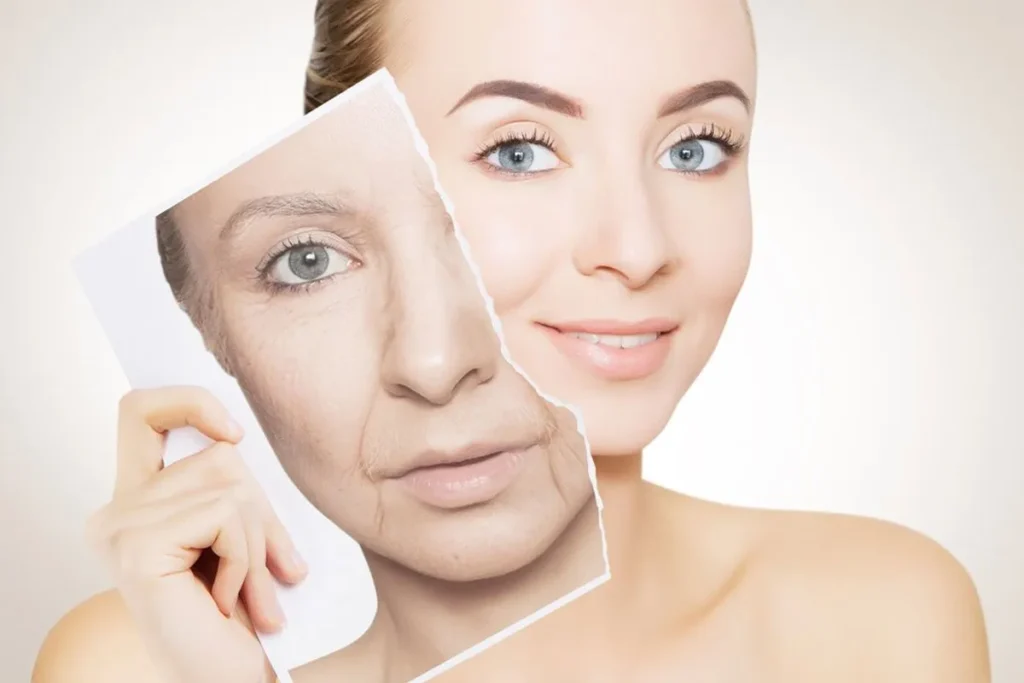
It’s important to know how our skin changes after 40 to fight wrinkles. Our skin’s texture, tone, and look change as we age. This is due to losing key proteins, making less oil, and cells not turning over as fast.
The Science Behind Collagen and Elastin Loss
Collagen and elastin keep our skin firm and elastic. By age 30, we start losing collagen at 1% a year. This loss leads to wrinkles and less firm skin in our 40s and 50s.
Boosting collagen production is key to fighting aging signs. Using products with peptides and retinol can help make more collagen. This improves skin texture and reduces wrinkles.
How Decreased Oil Production Affects Mature Skin
Our skin makes less oil as we age, causing dryness and irritation. This is tough for mature skin, which already loses moisture and elasticity.
To fight dryness and irritation, use products that hydrate well and repair the skin. Look for hyaluronic acid, ceramides, and niacinamide in your products. They help keep moisture in and support the skin’s barrier.
Reduced Cellular Turnover and Its Impact
Cellular turnover is when the skin sheds old cells and brings in new ones. This slows down with age, causing dead cells to build up. This makes the skin look dull and uneven, and can clog pores.
Exfoliating regularly can help turn over cells faster. Use products with alpha-hydroxy acids (AHAs) or beta-hydroxy acids (BHAs) to gently remove dead skin and promote new cell growth.
The Best Anti-Wrinkle Regimen Components
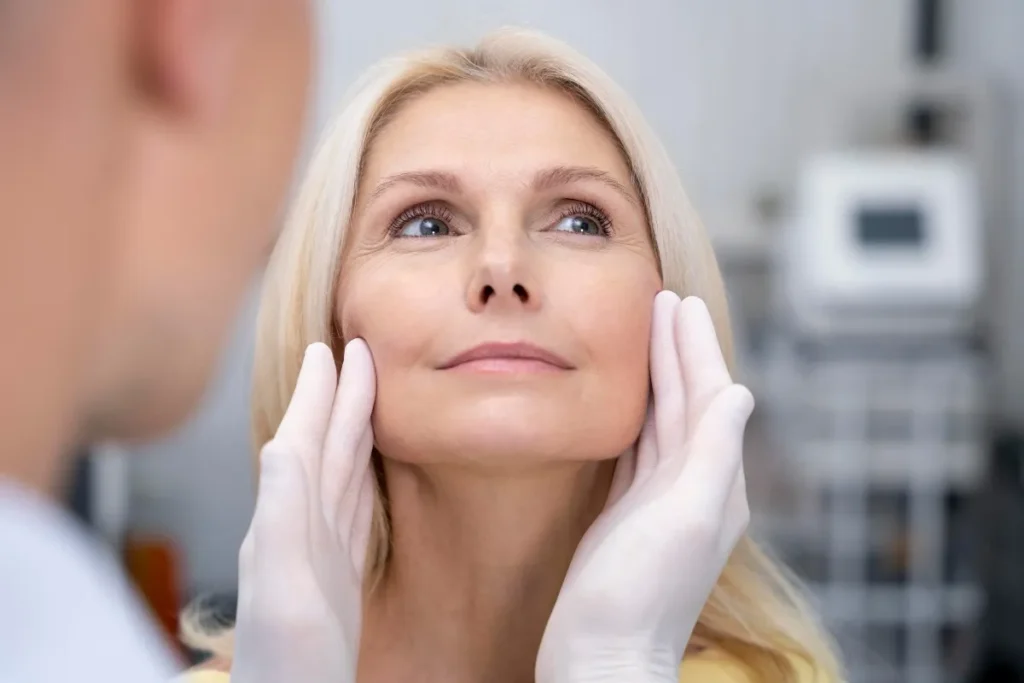
Creating an effective anti-wrinkle regimen means knowing the key ingredients for age-related skin issues. As we age, our skin changes, leading to wrinkles and a loss of glow.
To make a best anti-ageing skin care routine, use ingredients that dermatologists back. Look for products with retinoids, vitamin C, and hyaluronic acid. They tackle age-related skin problems well.
Clinically Proven Ingredients for Mature Skin
Retinoids, from vitamin A, boost collagen and cell turnover. This makes skin smoother and brighter, reducing wrinkles. Dermatologists call retinoids the top choice for anti-aging.
Vitamin C brightens and protects the skin. It fights off free radicals, keeping skin even-toned and healthy.
Hydration and Barrier-Strengthening Elements
Hyaluronic acid hydrates deeply, making skin soft and supple. It’s key for mature skin’s moisture barrier.
Glycerin and ceramides also boost hydration and strengthen the skin’s barrier. They help keep moisture in and protect against harm.
Antioxidants and Protective Compounds
Antioxidants like vitamin C, vitamin E, and ferulic acid shield the skin from UV, pollution, and more. They prevent early aging and keep skin healthy.
Adding these ingredients to your skincare can greatly improve your skin’s look and health. Choose products with proven ingredients for a best skin care regimen for women over 40 that meets your needs.
A well-thought-out anti-wrinkle routine with these ingredients can give you a smoother, brighter complexion. It boosts your confidence to “Glow like you mean it.”
Creating Your Morning and Evening Routine
To unlock your skin’s full beauty, create a morning and evening skincare routine. This should tackle the special needs of mature skin.
AM Regimen Steps
Start your day with a good morning skincare routine. It helps protect your skin from the environment and makes it glow. Use a gentle cleanser to clean your skin without taking away its natural oils.
Then, apply a vitamin C serum. It’s full of antioxidants that brighten and protect your skin.
Next, use a moisturizer that keeps your skin hydrated for a long time. It also helps your skin’s barrier function. Don’t forget to add a broad-spectrum sunscreen with at least SPF 30 to protect against UV damage. For more tips on anti-aging skincare, see Vogue’s guide.
PM Regimen Steps
In the evening, focus on repairing and rejuvenating your skin. Start with a gentle cleanser, then apply a retinoid treatment. It boosts collagen and cell turnover, reducing fine lines and wrinkles.
After the retinoid, use a nourishing moisturizer for deep hydration. Look for hyaluronic acid, peptides, and antioxidants in your moisturizer. They help keep moisture in and protect your skin.
By following these steps, you can make a skincare routine that meets mature skin’s needs. This will help you look more radiant and youthful.
Conclusion: Measuring Results and Maintaining Your Regimen
Creating an anti-wrinkle routine is a journey that needs patience and the right products. Understanding your skin’s changes after 40 is key. Using best anti aging skincare routine products can make your skin glow and look timeless.
Research shows that a good skincare routine can improve your skin’s texture and reduce wrinkles. It’s important to keep up with your 40s skin care routine for the best results. With the right best skin care routine 40s, you can reveal your natural glow and feel beautiful.
Keep going on your beauty journey and celebrate every small win. With dedication, you can transform your skin and look youthful. This will boost your confidence and make you shine with beauty.
FAQ
What are the most effective ingredients for an anti-wrinkle regimen?
Ingredients like retinoids, vitamin C, and hyaluronic acid are top choices. Retinoids boost collagen and cell turnover. Vitamin C brightens and protects the skin. Hyaluronic acid hydrates, making the skin soft and supple.
How do I create a morning skincare routine for mature skin?
Begin with a gentle cleanser. Then, apply a vitamin C serum to brighten and protect. End with a moisturizer and sunscreen for hydration and protection. This routine tackles age-related skin issues and sets a good day foundation.
What is the best way to address decreased oil production in mature skin?
Use a moisturizer rich in hyaluronic acid to combat dryness. Choose a gentle cleanser that preserves natural oils. This helps manage dryness and irritation from less oil.
How often should I use a retinoid treatment?
Apply retinoid treatments at night, as they increase sun sensitivity. Start with a low concentration and gradually increase. Begin with a few times a week and increase to nightly use as skin tolerates.
What is the best skincare routine for women over 40?
Include a gentle cleanser, vitamin C serum, retinoid treatment, and moisturizer in your routine. Daily sunscreen and hydration also help keep skin healthy and youthful.
How long does it take to see results from an anti-wrinkle regimen?
Building an effective regimen takes time and consistency. Results may take weeks to months. Be patient and give your skin time to adjust. With regular use, you’ll see improvements and maintain a youthful look.
Can I use the same skincare products for both morning and evening?
Some products, like moisturizers, can be used both day and night. But, retinoid treatments are best at night. Vitamin C serums are for morning use to protect against day’s damage.
What are the benefits of using a hyaluronic acid moisturizer?
Hyaluronic acid deeply hydrates, making skin soft and supple. It fights dryness and irritation. It also plumps and firms the skin, reducing fine lines and wrinkles.
References
National Center for Biotechnology Information. Evidence-Based Medical Insight. Retrieved from https://pmc.ncbi.nlm.nih.gov/articles/PMC2699641/[4