

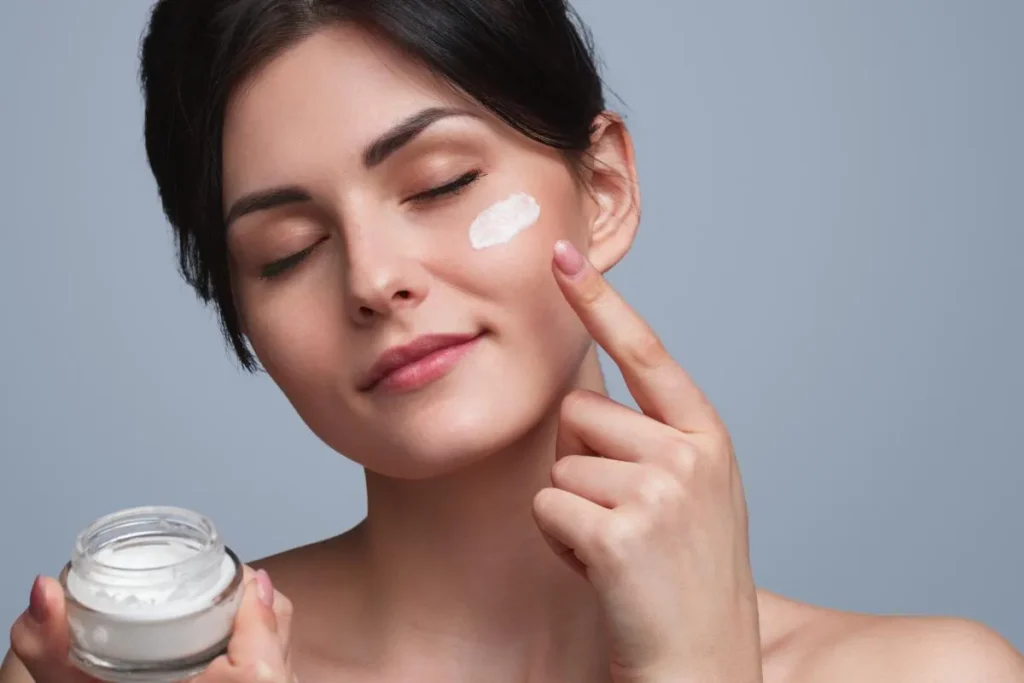
Creating a good skincare routine can feel overwhelming with so many products and tips online. But, making a skincare routine that fits your skin type and needs is easier than you might think. It starts with knowing what your skin needs and picking skincare products that meet those needs.
By figuring out your skin type and what you’re worried about, like acne or dry skin, you can make a skincare routine for women that makes you look and feel great. A good skincare routine is a path to glowing, lasting beauty.
Key Takeaways
Understand your skin type to choose the right skincare products.
Identify your specific skin concerns, such as acne or dryness.
Select products that are backed by dermatological evidence.
Customize your skincare routine to address your unique needs.
Consistency is key to achieving visible results.
Understanding Your Skin Type and Needs

Getting radiant skin starts with knowing your skin type and needs. It’s key to pick the right products and routine. Knowing if you have normal, dry, oily, or combination skin is essential.
Identifying Your Skin Type
Finding out your skin type is the first step. Normal skin is balanced, neither too oily nor too dry. Dry skin feels tight and might flake.
Oily skin is shiny and has big pores. Combination skin has oily and dry areas, often in the T-zone.
Common Skin Concerns and Solutions
Many people deal with acne, aging, and hyperpigmentation. For acne, try products with salicylic acid or benzoyl peroxide. For aging, look for retinol and peptides.
Hyperpigmentation can be treated with vitamin C and niacinamide. Knowing your skin concerns helps you find the right solutions. This makes your skincare routine more effective.
The Best Face Care Routine: Essential Products

To get radiant skin, you need to know the key products for a good skincare routine. A good base includes a gentle cleanser, moisturizer, sunscreen, and sometimes serums or toners. These items work together to clean, hydrate, protect, and treat your skin.
Cleansers: The Foundation of Skincare
Cleansers start your skincare journey by removing dirt, oil, and impurities. This prevents clogged pores and dull skin. Choose a cleanser that fits your skin type. For example, gel or foam cleansers are great for oily skin, while cream cleansers are better for dry or sensitive skin.
For oily skin: gel or foam cleansers
For dry or sensitive skin: cream cleansers
For combination skin: gentle, non-comedogenic cleansers
Moisturizers: Hydration for Every Skin Type
Moisturizers keep your skin hydrated and protect its barrier. Everyone needs a moisturizer to keep their skin healthy and supple. Light, oil-free moisturizers are good for oily skin, while richer moisturizers are better for dry skin.
Sunscreen: Non-Negotiable Protection
Sunscreen is essential for daily skincare. It protects against UV damage, preventing premature aging and skin cancer. Use a broad-spectrum sunscreen with at least SPF 30 every day, even on cloudy days.
Choose a broad-spectrum sunscreen
Opt for SPF 30 or higher
Apply daily, regardless of weather conditions
Serums and Treatments: Targeted Solutions
Serums and treatments focus on specific skin issues like aging, hyperpigmentation, or acne. They have active ingredients that deeply penetrate the skin, providing targeted benefits. Whether you want to reduce fine lines, brighten your skin, or control acne, there’s a serum or treatment for you.
For anti-aging: serums with retinol or peptides
For hyperpigmentation: serums with vitamin C or niacinamide
For acne: treatments with salicylic acid or benzoyl peroxide
By using these essential skincare products, you can get healthier, more radiant skin. Remember, the secret to good skincare is being consistent and choosing products that meet your skin’s specific needs.
Creating Your Daily Skincare Regimen
A good daily skincare routine can make your skin glow. It’s key to know the steps for your skin type and needs.
Morning Routine Steps
Start your day with a morning skincare routine for healthy skin. Begin with a gentle cleansing to get rid of overnight dirt. Then, use a toner to balance your skin’s pH.
Next, apply a light moisturizer to keep your skin hydrated. Finish with a broad-spectrum sunscreen with at least SPF 30 to protect from UV rays.
Evening Routine Steps
Your evening routine is for deeper skin care. Start with double-cleansing to remove makeup and pollutants. Then, use a serum or treatment product to tackle specific skin issues.
End with a nourishing moisturizer to keep the benefits in and help your skin regenerate overnight.
Weekly Treatments and Exfoliation
Weekly treatments boost your skin’s health and look. Exfoliate 1-2 times a week to get rid of dead skin cells. Choose a chemical exfoliant or physical exfoliant that fits your skin type.
Also, use a face mask once or twice a week. It gives your skin an intense dose of hydration, brightening, or anti-aging benefits.
By following these steps and making your routine fit your skin, you can get a healthy, glowing complexion. This will make you feel confident and beautiful.
Conclusion: Consistency and Adaptation for Healthy Skin
To get a radiant glow, keeping up with a skincare routine is key. Knowing your skin type and adjusting your routine as needed is important. A good skincare plan is all about you and changes with your skin.
Being consistent with your skincare is vital for seeing results. Following your daily skincare plan helps your skin get the most from products. This leads to a brighter and more even-toned look.
As your skin’s needs change, so should your skincare routine. You might need to switch moisturizers or add new treatments. Paying attention to your skin ensures your routine stays effective.
To really transform your skin, add healthy habits to your daily routine. Protect your skin from the sun, drink plenty of water, and use products that fit your skin type. Combining these habits with a consistent skincare plan will give you a lasting, healthy glow.
FAQ
What are the essential skincare products I need to start a routine?
You’ll need a cleanser, moisturizer, sunscreen, and serum to start. These products clean, hydrate, protect, and treat your skin.
How do I know what skincare products are right for my skin type?
Knowing your skin type is key. For dry skin, choose hydrating products. Oily skin needs oil-free or non-comedogenic ones. Combination skin needs a mix.
What’s the best face wash routine for my skin concerns?
The best routine depends on your skin issues. For acne, use cleansers with salicylic acid or benzoyl peroxide. For dry skin, go for gentle, hydrating cleansers.
How often should I exfoliate my skin?
Exfoliate once or twice a week, based on your skin type and concerns. Too much can irritate, too little won’t remove dead cells.
What’s the importance of sunscreen in a skincare routine?
Sunscreen protects your skin from UV damage. This can cause aging, dark spots, and skin cancer. Use a broad-spectrum sunscreen with at least SPF 30 daily.
Can I use the same skincare products for morning and evening routines?
Yes, some products like cleansers and moisturizers work for both. But serums and treatments are best at specific times. Morning is for sunscreen, evening for deeper treatments.
How do I create a skincare routine that addresses my specific skin concerns?
First, know your skin type and concerns. Then, pick products that target those issues. For hyperpigmentation, look for niacinamide or vitamin C.
What’s the role of serums in a skincare routine?
Serums are concentrated treatments for specific issues like acne, aging, or hyperpigmentation. They can be used in both morning and evening routines, depending on the product and your skin concerns.
How long does it take to see results from a new skincare routine?
Results vary based on products and skin concerns. Some, like exfoliants, show immediate results. Others, like anti-aging treatments, may take weeks or months.
References
National Center for Biotechnology Information. Evidence-Based Medical Insight. Retrieved from https://pubmed.ncbi.nlm.nih.gov/31840424/


