

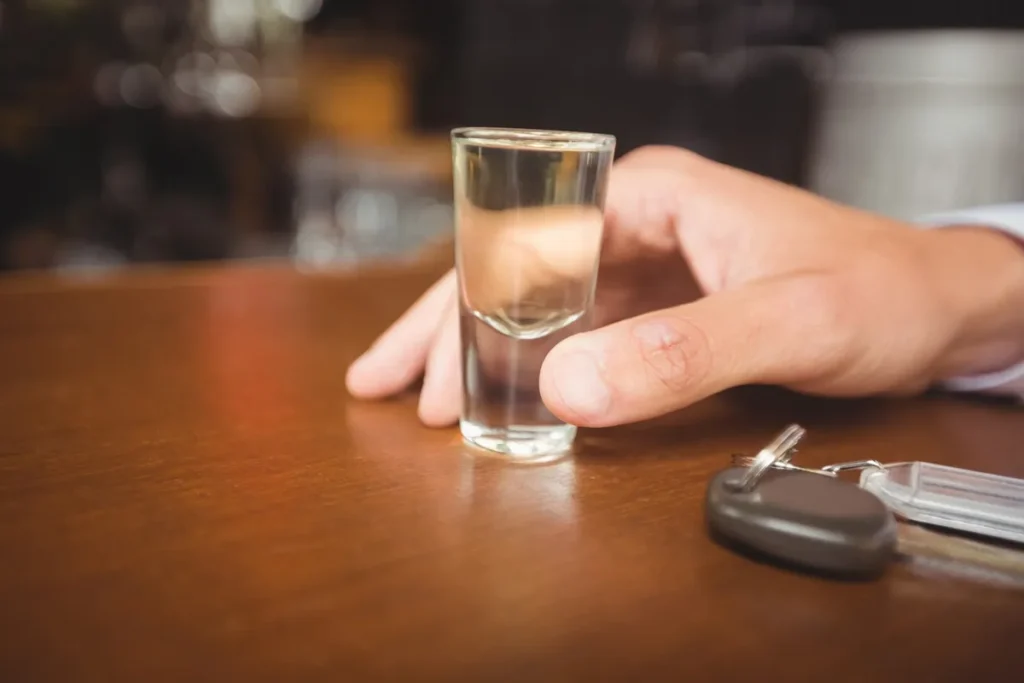
Deciding to detox from alcohol is a brave step towards recovery. Many wonder if it’s safe to do at home. At-home detox can work for some, with the right medical help. But, it’s risky without professional support.
It’s key to know when home detox is safe and when it’s not. Research shows it can be safe for the right people. But, knowing the risks and how to avoid them is vital.
GoldCity Center offers patient-focused, evidence-based advice. This helps people understand and prepare for detox. Being informed and ready can make a big difference.
Key Takeaways
At-home alcohol detox can be safe for carefully selected candidates with proper medical guidance.
Understanding the risks and necessary precautions is key before starting detox.
Medical supervision is essential for safety and success.
Knowing about detox and its challenges is important.
Patient-centered guidance helps navigate detox.
Understanding Alcohol Withdrawal and Its Risks

Starting your journey to sobriety means understanding alcohol withdrawal risks. This is key for those wanting to detox safely at home. Alcohol withdrawal happens when someone who drinks a lot suddenly stops or cuts down a lot. This can cause symptoms that range from mild to severe.
Common Withdrawal Symptoms and Timeline
Withdrawal symptoms can be different for everyone. They depend on how long and how much you’ve been drinking, your health, and if you’ve gone through withdrawal before. Common symptoms include:
Anxiety and irritability
Insomnia and restlessness
Nausea and vomiting
Sweating and tremors
Headaches
These symptoms usually start 6 to 24 hours after your last drink. They often get worse in 24 to 48 hours. Knowing this timeline helps manage detox better.
Who Should Not Attempt Home Detox
While many can detox at home, some should get medical help. This includes:
Those with a history of severe withdrawal symptoms or seizures
Individuals with significant health conditions, such as heart disease or liver disease
Pregnant women
Those with a history of alcohol-related complications
For these groups, a medically supervised detox is safer. It helps avoid risks.
Life-Threatening Complications to Watch For
Though rare, alcohol withdrawal can lead to serious problems. These include:
Seizures
Delirium tremens (DTs), a severe and potentially life-threatening condition characterized by confusion, agitation, and hallucinations
It’s important to know these risks and when to get medical help. If severe symptoms happen, get help right away.
The Best Way to Detox from Alcohol at Home

Detoxing from alcohol at home needs careful planning and medical advice. It usually takes about 9 days. But, it’s important to know that alcohol withdrawal can be dangerous.
Before starting a detox at home, it’s key to talk to a healthcare provider. They can check if it’s safe and give you advice.
Medical Supervision Requirements
Having medical supervision is very important for a safe detox. If you can’t get professional help, having someone you trust watch over you can help.
Know when to get medical help. If you have severe symptoms like seizures or hallucinations, get help right away.
Essential Supplements and Nutrition
Eating a balanced diet is important during detox. Foods with lots of vitamins and minerals can help with symptoms and keep you healthy.
Supplements like vitamin B1 (thiamine) are often suggested. But, always talk to a doctor before taking them to avoid problems.
Hydration and Rest Protocols
Drinking enough water is key during detox. Alcohol can make you dehydrated. Drinking water and fluids with electrolytes can help with symptoms.
Getting enough rest is also important. Your body needs time to heal. Try to rest well and make your environment comfortable.
By following these tips and being aware of the challenges, you can detox more successfully. Taking care of yourself and getting help when needed is important for a good detox.
Conclusion
Finishing an alcohol home detox or alcohol detox from home is just the start. Staying sober takes hard work and support. Therapy, support groups, and changing your lifestyle can help you stay on track.
A good detox alcohol home program is the first step to lasting sobriety. It’s key to keep going with the right help. This means at home detox from alcohol follow-up care and ongoing support for a smooth transition.
By safely detoxing from alcohol at home, you can take charge of your recovery. With the right mindset and support, beating addiction is possible. Everyone’s recovery path is different, but with the right tools, lasting sobriety is achievable.
FAQ
Is it safe to detox from alcohol at home?
Detoxing from alcohol at home can be safe if done right. You need to know the risks of alcohol withdrawal. Also, having medical supervision is key.
What are the common symptoms of alcohol withdrawal?
Symptoms of alcohol withdrawal include tremors, anxiety, and insomnia. You might also feel nauseous or vomit. In severe cases, it can cause seizures and delirium tremens.
Who should not attempt to detox from alcohol at home?
If you’ve had severe withdrawal symptoms before, don’t try detoxing at home. Also, those who drink a lot or have certain health issues should seek medical help.
What are the essential supplements and nutrition for alcohol detox?
For detox, you need vitamins B and C, magnesium, and a balanced diet. This diet should include protein and complex carbs. These help with symptoms and support your health.
How important is hydration during alcohol detox?
Staying hydrated is very important during detox. It helps remove toxins and eases symptoms. Drink lots of water and electrolyte-rich fluids.
Can I detox from alcohol at home without medical supervision?
Detoxing at home is possible, but medical supervision is recommended. It helps manage symptoms and prevents serious problems.
What is the timeline for alcohol withdrawal symptoms?
Symptoms start within 6-24 hours after drinking stops. They peak in 24-48 hours and can last days to a week or more.
How can I ensure a safe detox from alcohol at home?
For a safe detox at home, get medical supervision. Follow a good nutrition and hydration plan. Also, know the risks and complications.
What are the benefits of medical supervision during alcohol detox?
Medical supervision helps manage symptoms and prevents serious problems. It also supports your health and well-being during detox.
How can I maintain sobriety after detoxing from alcohol?
To stay sober, you need ongoing support and effort. This includes counseling, support groups, and a healthy lifestyle.
References
National Center for Biotechnology Information. Evidence-Based Medical Insight. Retrieved from https://www.ncbi.nlm.nih.gov/books/NBK441882/


