

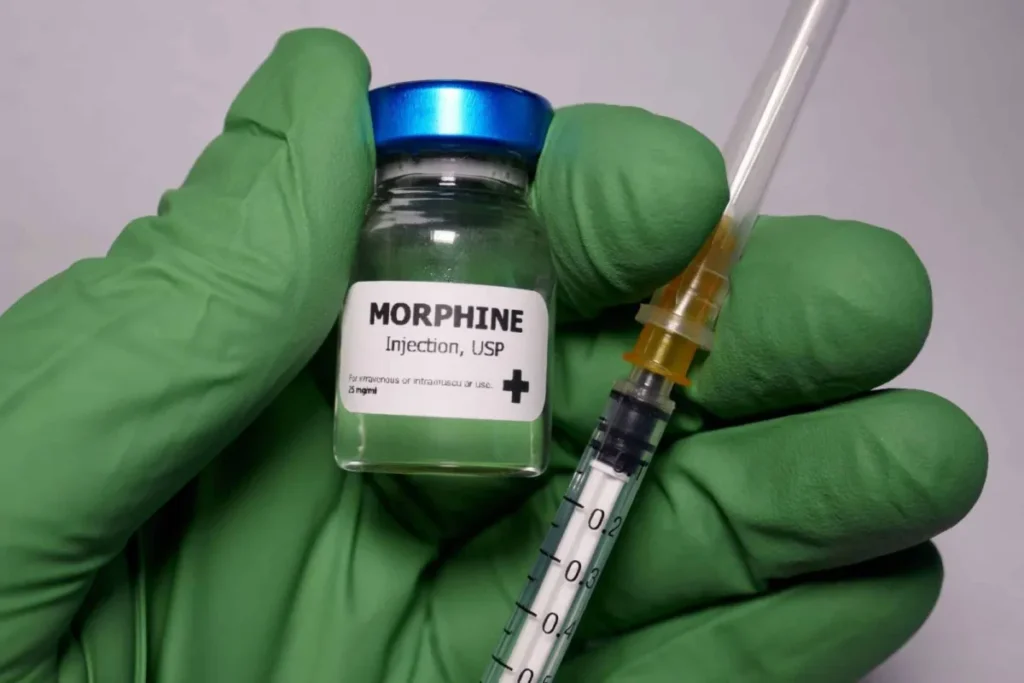
Morphine is a key drug for treating severe pain. But, it can lead to addiction. It’s important to know the risks and how it affects the body.
Morphine works by binding to opioid receptors in the brain and spinal cord. This changes how we feel pain and emotions. But, it can also cause opioid use disorder, leading to addiction. Studies show that the risk of addiction grows after three months of use.
Key Takeaways
Morphine is a prescription opioid used for severe pain management.
Prolonged morphine use can lead to physical dependence and addiction.
The risk of morphine addiction increases significantly after three months.
Understanding the signs of morphine misuse is key for early action.
GoldCity Center offers evidence-based pain management solutions.
Can You Get Addicted to Morphine? The Science of Dependency

It’s important for patients and doctors to know about morphine dependency. Morphine is used to treat pain but can lead to addiction. This is a big concern.
Prevalence and Statistics of Morphine Addiction
Morphine addiction is becoming more common. Research shows that using morphine for over three months raises the addiction risk 15 times more than short-term use. Long-term morphine use can change brain chemistry, making it more addictive.
How Quickly Addiction Can Develop
Addiction to morphine can happen fast, mainly with long-term use. The dose, how long it’s used, and who takes it can affect addiction risk. Morphine can cause physical dependence and tolerance, making addiction more likely.
Risk Factors for Developing Morphine Dependency
Several factors can lead to morphine dependency. These include a family history of addiction and long-term pain treatment with morphine. Genetic and environmental factors, along with mental health issues, also play a role.
Healthcare providers can reduce morphine risks by monitoring patients closely. They should manage doses and explore other pain treatments. This approach helps prevent addiction.
How Morphine Works in Your Body

Morphine helps manage pain by interacting with the nervous system. Knowing how morphine works helps us see its role in pain relief and its risk for dependency.
Mechanism of Action in the Nervous System
Morphine binds to mu-opioid receptors in the nervous system. This blocks pain signals to the brain and releases dopamine, which makes us feel good.
This binding is like a key fitting into a lock. It changes how we feel pain and its emotional impact, helping us feel less pain.
Timeline and Duration of Effects
The time it takes for morphine to work and how long it lasts changes based on how it’s given. For example:
Oral morphine starts working in 30 minutes to 1 hour.
Intravenous morphine works much faster, often in minutes.
Knowing when morphine starts working and how long it lasts is key to managing pain well and avoiding dependency.
Physical and Psychological Effects
Morphine’s main effect is to reduce pain, which is its main goal. But it can also cause psychological effects, like feeling happy or needing more, because of how it affects the brain’s reward system.
Some key physical and psychological effects of morphine are:
Pain relief
Sedation
Euphoria or feeling good
Potential for dependence and addiction
Understanding both the physical and psychological effects of morphine helps doctors create better treatment plans. This way, they can help more while keeping risks low.
Conclusion: Recognizing Signs of Morphine Addiction
It’s important to spot the signs of morphine misuse and dependence early. This can help in getting the right treatment. People addicted to morphine might breathe shallowly or keep their drug use a secret.
Signs of misuse include taking more morphine than they should or ignoring their duties. They might also feel sick when they can’t use the drug. Knowing these signs and getting help is the first step to getting better.
There are many ways to treat morphine addiction. These include medicines, counseling, and special therapies. This mix helps people overcome their addiction and stay sober for good. By recognizing the signs and getting help, people can start their journey to recovery.
FAQ
How long does morphine take to kick in?
Morphine’s onset time varies by how it’s given. Oral morphine takes about 30 minutes to an hour to start working. But, intravenous morphine can kick in much faster, in just minutes.
Does morphine make you loopy?
Morphine can make you feel happy or sleepy, which might seem like being “loopy.” But, how it affects you can differ. It really depends on the dose.
Will morphine make you sleepy?
Yes, morphine can make you feel very sleepy or sedated. How much it makes you sleep can change based on the dose and how your body reacts.
What does morphine do to the body?
Morphine binds to opioid receptors in your brain and spinal cord. This changes how you feel pain and emotions. It can also lead to physical and mental effects, like pain relief and feeling high, but it can also cause dependence.
How fast does morphine work?
Morphine’s effects start quickly, depending on how it’s given. IV morphine works fast, in just minutes. Oral morphine takes longer, about 30 minutes to an hour.
How long does IV morphine take to work?
IV morphine starts working in just minutes after it’s given.
How long does 4 mg of morphine last?
The length of morphine’s effects can change based on several things. These include the person, how it’s given, and the dose. Generally, a 4 mg dose can last several hours.
Can you drink morphine?
Yes, morphine comes in liquid form that you can take by mouth. But, it’s very important to only take it as your doctor tells you to.
Is morphine addictive?
Yes, morphine can be addictive, even more so with long-term use or misuse. The risk of becoming addicted goes up a lot after three months.
Does morphine work instantly?
IV morphine works quickly, often in just minutes. But, other ways of taking morphine, like by mouth, don’t work as fast. They take about 30 minutes to an hour to start.
How long do the effects of morphine last?
Morphine’s effects can last for several hours. This depends on the dose and how it’s given.
How long for liquid morphine to work?
Liquid morphine taken by mouth starts working in about 30 minutes to an hour.
Can you become addicted to morphine?
Yes, morphine can be addictive. Taking it for too long or in the wrong way can lead to dependence and addiction.
What does morphine feel like?
Morphine can feel different to everyone. It often brings pain relief, happiness, or calmness. Some people might also feel very sleepy or confused.
References
New England Journal of Medicine. Evidence-Based Medical Insight. Retrieved from https://www.nejm.org/doi/full/10.1056/NEJMra1507778


