

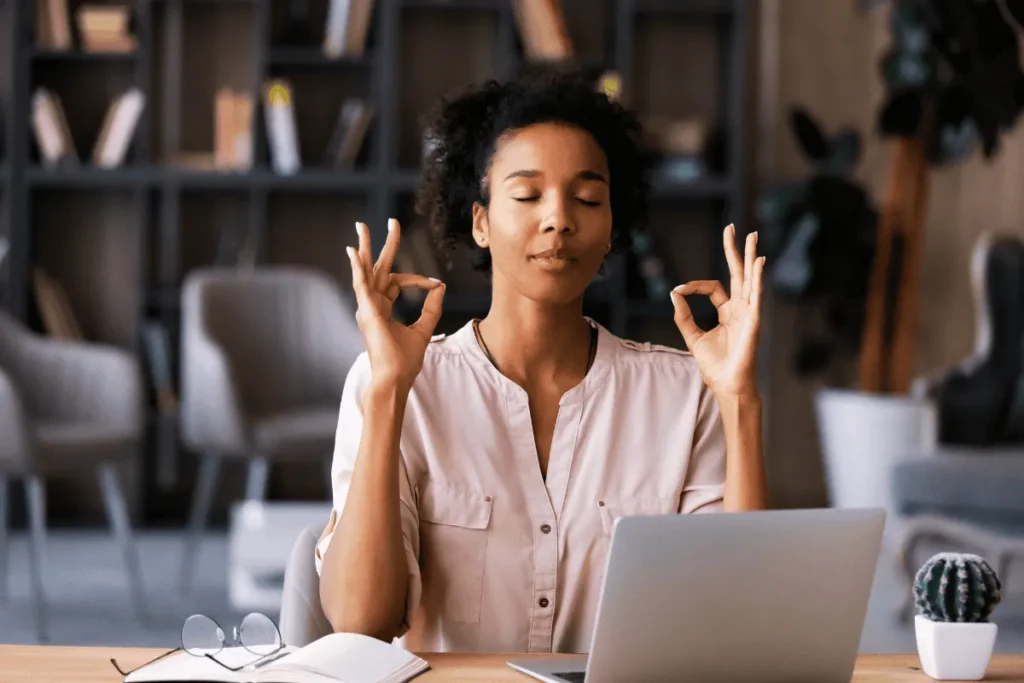
Stress is a common reaction to tough situations, affecting our minds and bodies. Studies show that a big part of the population feels stressed. In fact, 93% of university students say they feel stressed.
Use coping mechanisms for stress for top gains today. Master powerful habits to stop painful anxiety and feel amazing and calm.
Life can be tough, with work deadlines, family care, money worries, or just keeping up with daily tasks. When stress is always there, it can harm our health. It’s important to find good ways to handle stress to stay healthy.
Knowing how stress affects us is the first step to dealing with it. By looking into techniques to manage stress, we can boost our mental health and life quality. For more tips on dealing with stress, check out Sutter Health’s guide.
Key Takeaways
Identify effective stress management techniques.
Understand the importance of stress awareness.
Learn how to manage stress effectively.
Explore various stress coping strategies.
Discover methods to reduce stress in daily life.
Understanding Stress and Its Impact

Stress is common in today’s fast world. It affects our health when it lasts too long. It can harm our body and mind.
The Physical and Mental Effects of Stress
Long-term stress can cause many health problems. It makes our body release stress hormones. These hormones help us react quickly but can harm us over time.
They can increase the risk of heart disease, depression, and memory loss. Stress also affects our digestion, immune system, and energy levels.
Mentally, stress can cause anxiety and mood swings. It makes it hard to focus. It can also worsen mental health issues.
How Prevalent Is Stress in America?
Stress is a big problem in the U.S. Many people face it every day. Work, money, and personal issues are big stressors. Stress affects people of all ages, jobs, and backgrounds.
Knowing how common stress is helps us deal with it. We can start using healthy ways to handle stress. This includes exercise, mindfulness, and talking to friends.
Managing stress is key to staying healthy. By recognizing stress signs and using good coping strategies, we can avoid health problems. It’s about taking care of ourselves and managing stress well.
Effective Coping Mechanisms for Stress

Managing stress is a personal journey. Finding the right ways to cope can make a big difference. Learning healthy coping methods can reduce stress. Taking small steps every day can have a big impact.
Problem-Focused Coping Strategies
Problem-focused strategies tackle the source of stress directly. This includes problem-solving, time management, and other methods to reduce stress.
Identify the root cause of your stress
Break down complex problems into manageable parts
Set realistic goals and priorities
Tackling the problem directly can reduce stress and give you more control.
Emotion-Focused Coping Strategies
Emotion-focused strategies manage how you feel about stress. Techniques include relaxation methods, mindfulness, and seeking support from others.
– Nelson Mandela
Studies show stress management works. Techniques like problem-solving, time management, and relaxation are effective. Everyone copes differently, so it’s key to try various methods to find what works for you.
Using both problem-focused and emotion-focused strategies can strengthen your stress management plan. The goal is to find a balance that suits you and stick to it.
Six More Practical Techniques to Manage Daily Stress
Modern life can be stressful. It’s key to have ways to manage stress. There are many coping styles, like focusing on problems or emotions. Here are six more techniques to help you feel better.
Physical Relaxation Methods
Physical methods can really help reduce stress. Exercise is a top stress reliever. It helps your body handle stress hormones and boosts your mood quickly. Even a short walk can calm your mind and increase your energy.
For more tips on stress management and a healthier lifestyle, check out the CDC’s mental health resources.
Other methods include progressive muscle relaxation and deep breathing exercises. Progressive muscle relaxation helps release physical tension. Deep breathing exercises calm your mind and slow your heart rate.
Mental and Social Techniques
Mental and social methods are also important. Meditation and mindfulness help you stay in the moment. They reduce worries about the past or future. Connecting with others through social support networks offers emotional support and makes you feel less alone.
Cognitive-behavioral therapy (CBT) and journaling are also helpful. CBT helps change negative thoughts that cause stress. Journaling is a way to express feelings and gain new insights.
Using these physical and mental techniques can help you manage stress better. Try different methods to see what works best for you.
Conclusion: Creating Your Personalized Stress Management Plan
Your journey to manage stress and shine starts now. You’ll learn how stress affects you and find ways to cope. This will help you create a plan that fits you perfectly.
Managing stress means using both problem-solving and emotional coping strategies. Adding physical relaxation, mental techniques, and social support can help. If stress is too much, talk to a healthcare provider. They can offer counseling, therapy, or classes to help you.
Make stress management a key part of your life. With the right methods and support, you’ll feel calm and confident. This isn’t just about looking good. It’s about finding peace and strength inside. By controlling your stress, you’ll show the world your true beauty.
FAQ
What are some effective ways to manage stress?
To manage stress, try problem-focused strategies like finding the source of stress. Also, use emotion-focused strategies like mindfulness and relaxation. Physical techniques like deep breathing and progressive muscle relaxation are helpful. Mental and social methods, such as meditation and support from others, also work well.
How does stress impact physical and mental health?
Stress can harm both physical and mental health. It can lead to anxiety, depression, heart disease, and a weak immune system. Chronic stress can cause burnout, affecting your overall well-being and life quality.
What are some positive ways to handle stress?
Positive stress handling includes self-care and regular exercise. Relaxation techniques like yoga or tai chi are also beneficial. Setting realistic goals, prioritizing tasks, and getting support from friends, family, or a therapist can also help.
How can I develop a personalized stress management plan?
Start by identifying what causes you stress and how you currently cope. Then, try different techniques to see what works for you. Remember to set achievable goals, prioritize self-care, and ask for help when needed.
What are some healthy ways to cope with stress?
Healthy stress coping includes physical activity, mindfulness, and social support. Journaling, creative activities, and spending time outdoors are also good options.
How prevalent is stress in America?
Stress is widespread in America, affecting many due to work, money, and personal issues. Studies show a large number of people feel stressed, showing the need for effective stress management.
What are some different ways to cope with stress?
There are many ways to cope with stress. These include problem-focused and emotion-focused strategies, physical relaxation, and mental and social techniques. Trying different methods can help find what suits you best.
References
National Center for Biotechnology Information. Evidence-Based Medical Insight. Retrieved from https://pubmed.ncbi.nlm.nih.gov/25724638/


