

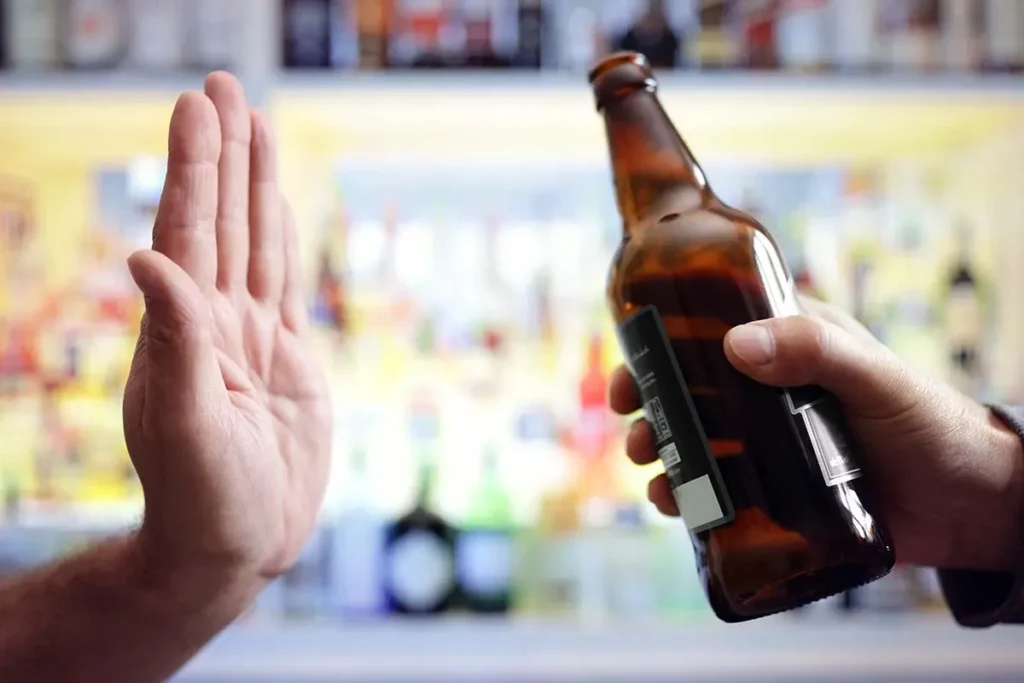
Reaching 72 hours without alcohol is a big step in recovery. It’s a time when withdrawal symptoms are at their worst. Knowing what to expect can help people get through this tough time.
Withdrawal symptoms start 12–24 hours after drinking stops and get worse around 48–72 hours. On Day 3, people might feel really bad. They could see things that aren’t there, feel very agitated, or even have seizures. Getting help from places like GoldCity Center is important. They offer care that’s both effective and caring.
To learn more about detox, check out The Recovery Village. They talk about how medical help can make a big difference during alcohol withdrawal.
Key Takeaways
Withdrawal symptoms peak around 48–72 hours after the last drink.
Severe symptoms can include hallucinations, agitation, and seizures.
Medical support is key during this time.
GoldCity Center offers patient-centered care and evidence-based treatment.
Knowing what to expect can help people stay strong.
What Happens on Day 3 No Alcohol: Understanding Peak Withdrawal

When you hit the 72-hour mark without alcohol, you’re at a key point in your journey. Symptoms of withdrawal usually start 6 to 24 hours after stopping alcohol. The worst symptoms happen between 48 to 72 hours after your last drink.
Knowing what to expect during this time can help you get through it. The third day without alcohol is a big milestone. Knowing the possible symptoms can help you handle this tough time better.
The 72-Hour Mark: Why the Third Day Is Critical
The 72-hour mark is a key time in withdrawal. It’s when symptoms are at their strongest. This is when your body is adjusting to not having alcohol. You might feel different physically and mentally.
Common Physical and Psychological Symptoms
On day 3 without alcohol, you might feel a lot of things. Physical symptoms include shaking, seizures, and sweating a lot. Psychological symptoms can be anxiety, depression, seeing things that aren’t there, and feeling confused.
Physical symptoms usually peak at 48 to 72 hours and can last up to two weeks. But, mental symptoms can last months. Knowing this can help you prepare and find the support you need.
Survival Guide: Managing Day 3 Without Alcohol

Day 3 without alcohol can be tough. You might feel withdrawal symptoms. About 50 percent of people with alcohol use disorder face these when they stop drinking. Knowing how to handle it is key.
When to Seek Immediate Medical Attention
Some symptoms need quick medical help. Look out for seizures, hallucinations, and delirium tremens. If you see these, get medical help fast. Heavy drinkers need close medical watch during withdrawal.
Hydration and Nutrition Strategies
Drink lots of water and eat well to fight withdrawal. Water and nutrient-rich foods help your body heal. Stay away from caffeinated drinks and sugary foods to avoid dehydration.
Drink at least 8-10 glasses of water a day.
Include electrolyte-rich beverages to replenish lost salts.
Consume balanced meals with plenty of fruits, vegetables, and lean proteins.
Sleep and Rest Techniques
Good sleep is vital for recovery. Create a calming bedtime routine and a comfy sleep space. This improves your sleep quality.
Maintain a consistent sleep schedule.
Avoid screens and stimulating activities before bedtime.
Use relaxation techniques such as deep breathing or meditation to calm your mind.
Distraction and Support Methods
Having people to talk to and fun activities helps a lot. Connect with friends, family, or support groups. They offer support and encouragement.
Do things you love to take your mind off cravings. Hobbies, exercise, or nature walks are great distractions.
Celebrating Your Progress: Benefits After 72 Hours Sober
Reaching 72 hours sober is a big step towards recovery. At this point, your body starts to show many benefits. These changes are the first steps towards better health and happiness.
Physical Improvements Beginning to Emerge
After 72 hours without alcohol, you might notice physical improvements. These include:
Better sleep quality, leading to more restful and rejuvenating rest
Increased energy levels, making daily activities more manageable
Improved hydration, as the body replenishes its water content
These physical changes are not just superficial; they are indicators of the body’s recovery process. As the body heals, more benefits will show up.
Mental and Emotional Transformations
The mental and emotional changes after 72 hours sober are just as important. You might see:
Improved mood stability, reducing the highs and lows associated with alcohol withdrawal
Reduced anxiety, as the body adjusts to functioning without alcohol
Enhanced clarity of thought, making it easier to tackle daily challenges
These mental and emotional shifts are critical for building a strong foundation for long-term recovery.
What to Expect in the Days Ahead
As you keep moving forward, knowing what’s next is key. The benefits after 72 hours sober will keep growing. You’ll see more improvements in physical health, mental clarity, and emotional stability.
Staying committed to your recovery path will open up new opportunities for personal growth and a healthier lifestyle.
Conclusion
Reaching the 72-hour mark without alcohol is a big step in recovery. It shows you’re ready to face the challenges of day 3 without alcohol. With the right strategies, you can beat the tough withdrawal symptoms and move towards a healthier life.
After 3 days without alcohol, you start to see the benefits. Your physical and mental health will improve. You’ll also lower your risk of health problems and feel better overall.
Quitting alcohol does more than just help you get through the tough times. It starts a journey to a brighter, more confident you. Remembering how far you’ve come can keep you going. It opens the door to a healthier, happier future.
FAQ
What are the most common symptoms on Day 3 without alcohol?
On Day 3, you might feel really bad. You could see things that aren’t there, feel very agitated, or have seizures. You might also have a fever, feel confused, or have a fast heart rate. Your blood pressure could go up, you might sweat a lot, and your hands could shake.
Why is the 72-hour mark critical in the withdrawal process?
The 72-hour mark is when your symptoms get the worst. It’s a key time in the withdrawal process.
How can I manage Day 3 without alcohol?
To get through Day 3, you need a good plan. Know when to get medical help. Drink lots of water and eat well. Try to sleep and rest a lot. Use distractions and get support from others.
What are the signs that indicate the need for immediate medical attention?
If you have severe symptoms like seizures, see things that aren’t there, or feel very confused, get help right away. These are signs you need medical help fast.
What physical improvements can I expect after 72 hours sober?
After 72 hours without alcohol, you might sleep better and have more energy. These are signs of getting better physically.
What mental and emotional transformations occur after 72 hours sober?
After 72 hours, you might feel happier and less anxious. These are signs of getting better mentally and emotionally.
How can I stay hydrated on Day 3 without alcohol?
To stay hydrated on Day 3, drink lots of water. Also, drink things with electrolytes to help your body.
What are some effective distraction methods on Day 3 without alcohol?
Good distractions on Day 3 include doing physical activities, relaxing, and getting support from friends and family. You can also join a support group.
What are the benefits of quitting alcohol after 72 hours?
Quitting after 72 hours can make you healthier physically and mentally. You’ll have more energy and lower risks of serious health problems later.
How can I continue my journey towards recovery after Day 3?
Keep going by living healthy, getting support, and knowing about challenges and triggers. This will help you stay on track.
References
National Center for Biotechnology Information. Evidence-Based Medical Insight. Retrieved from https://www.ncbi.nlm.nih.gov/books/NBK441882/


