
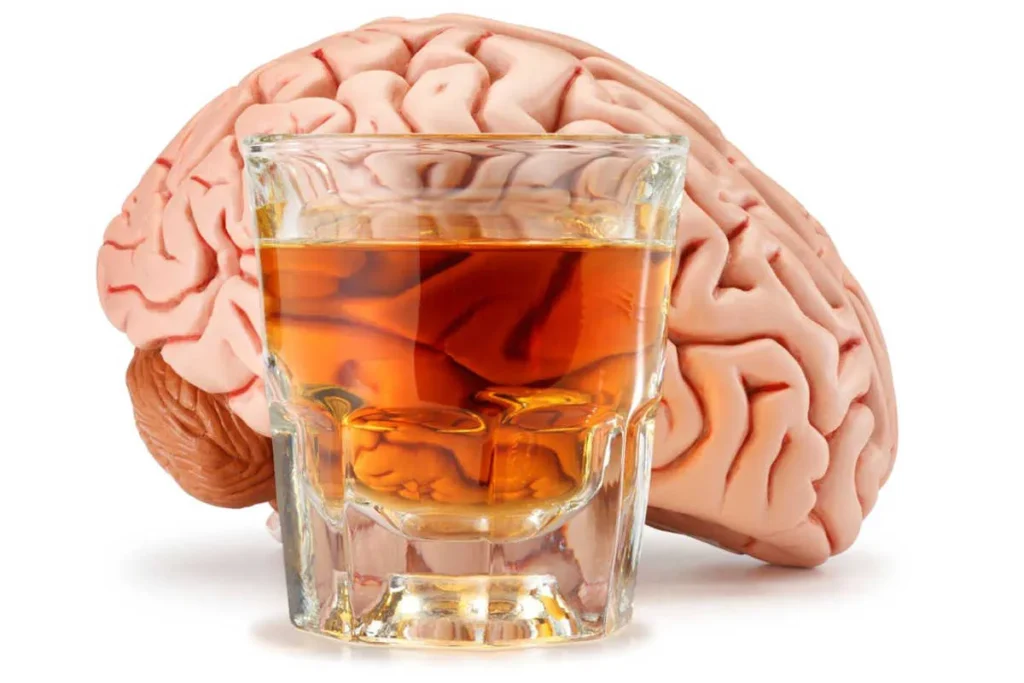
Your brain is incredibly valuable, yet long-term alcohol use can harm it quietly. Studies show that drinking a lot, like eight or more drinks a week, raises the risk of brain damage and thinking problems.
The long term effects of alcohol on the brain are scary. Discover the amazing ways you can protect your mind and start healing today.
Drinking too much can hurt the brain in many ways. It can damage blood vessels and change brain cells. Looking into the long-term effects of drinking too much shows that it’s not just about the person drinking. It can also affect those around them.
Key Takeaways
Heavy drinking is linked to an increased risk of brain lesions and cognitive impairment.
Long-term alcohol use can cause vascular damage and neuronal alterations.
Excessive drinking can impact not only the individual but also those around them.
Understanding the risks is key to making smart choices about drinking.
Helping people understand the dangers is important for guiding them towards recovery.
Understanding the Long-Term Effects of Alcohol on the Brain
When we drink alcohol, we risk harming our brain’s complex functions. The brain needs a balance of chemicals to work right. Alcohol can upset this balance, causing harm to our thinking and brain health.
Defining Heavy Drinking and Risk Thresholds
Studies show that heavy drinking raises the risk of brain damage. But what is heavy drinking? The National Institute on Alcohol Abuse and Alcoholism says it’s four or more drinks a day for women, or eight drinks a week. For men, it’s five or more drinks a day, or 15 drinks a week. Drinking more than these amounts can harm your brain long-term.
How Alcohol Penetrates the Blood-Brain Barrier
Alcohol can get into the brain because it can pass through the blood-brain barrier. Alcohol’s ability to do this lets it reach brain cells and mess with how the brain works. This can change how we think and act, showing why we should drink responsibly.
Knowing how alcohol affects the brain helps us protect our brain health. It’s a step towards keeping our brain healthy and bright.
Structural Brain Damage from Chronic Alcohol Consumption

Drinking too much alcohol can harm the brain’s structure. It can change the brain’s size and how well it works. This damage affects not just the person but also society. It’s important to know how alcohol impacts the brain to prevent and treat these issues.
Vascular Damage and Brain Lesions
Chronic alcohol use harms the brain’s blood vessels. Alcohol is a direct poison to brain cells, damaging these vessels. This can lead to vascular dementia and brain lesions.
Brain lesions form due to alcohol’s direct and indirect effects. These include toxicity from alcohol and nutritional deficiencies. Such lesions can harm brain function, causing cognitive and neurological problems.
Hyaline Arteriolosclerosis: Narrowing of Brain Blood Vessels
Hyaline arteriolosclerosis makes small brain blood vessels thicker. This narrows them. It’s linked to long-term alcohol use and can reduce blood flow to important brain areas.
It’s key to understand these changes to tackle alcohol’s long-term brain effects. Knowing the risks helps people make better choices about drinking. This can lessen some of the damage.
Neurological Changes and Cognitive Impairment
The brain is very sensitive to alcohol’s long-term effects. We see how chronic drinking changes the brain in many ways. It affects how the brain works and its structure.
Reduction in Neuron Size and Density
Drinking too much alcohol can shrink and thin out brain cells. This neurodegeneration makes it hard for the brain to work well. It can’t process information as well, leading to poor decision-making and thinking problems.
A study found that drinking a lot damages brain areas like the frontal lobe and cerebellum. This damage causes many cognitive and behavioral issues. It shows why it’s important to drink in moderation.
White Matter Degeneration in Critical Brain Regions
Long-term drinking also harms white matter in the brain. White matter helps different brain parts talk to each other. When it’s damaged, thinking and moving become harder.
This damage makes solving problems, remembering things, and coordinating movements tough. It’s another reason to drink responsibly.
Frontal and Temporal Lobe Damage
The frontal and temporal lobes are very vulnerable to alcohol damage. The frontal lobe helps with decisions, planning, and controlling impulses. The temporal lobe is key for hearing and memory.
Damage here can lead to big changes in thinking and behavior. It can cause bad judgment and memory loss. Knowing this helps people protect their brain health and make smart choices about drinking.
Conclusion: Recovery Potential and Prevention Strategies
It’s important to know how alcohol affects the brain to make smart choices about drinking. The brain can recover to some extent after long-term sobriety, studies show. But, not all changes caused by alcohol use disorder (AUD) can fully reverse.
Medications like acamprosate, naltrexone, and disulfiram can help by reducing alcohol’s appeal. They also help manage negative feelings. Behavioral therapies, such as cognitive behavioral therapy and mindfulness, can also help. They improve brain function and reduce the urge to drink.
For more details on brain addiction and recovery, check out the National Institute on Alcohol Abuse and Alcoholism resource page. Knowing how alcohol impacts the brain helps people make better choices. This supports their path to a healthier life.
FAQ
How does long-term excessive drinking affect the brain?
Drinking too much alcohol for a long time can change the brain a lot. It can damage blood vessels, change brain cells, and make thinking harder.
What is the impact of alcoholism on the brain?
Alcoholism harms the brain in many ways. It can damage brain cells, mess up how the brain works, and raise the risk of brain diseases.
How does alcohol penetrate the blood-brain barrier?
Alcohol can get past the blood-brain barrier because it’s small and fat-loving. This lets it affect the brain’s function and structure.
What are the long-term effects of alcohol on the brain?
Drinking a lot over time can hurt the brain. It can cause lasting damage, make thinking harder, and increase the risk of diseases like dementia and stroke.
What is hyaline arteriolosclerosis, and how is it related to alcohol consumption?
Hyaline arteriolosclerosis is when brain blood vessels get smaller. Drinking a lot can cause this, leading to less blood getting to the brain.
Can long-term alcohol use cause cognitive impairment?
Yes, drinking a lot for a long time can really hurt thinking skills. It can mess up memory, attention, and making decisions because of brain damage.
What are the effects of white matter degeneration in the brain due to alcohol consumption?
Drinking a lot can cause white matter in the brain to break down. This disrupts brain function, making it hard to think and move properly.
How does alcohol affect the frontal and temporal lobes of the brain?
Alcohol can badly damage the frontal and temporal lobes. This leads to problems with planning, remembering, and controlling emotions.
Is it possible to recover from brain damage caused by long-term alcohol use?
Some recovery is possible, but it depends on how bad the damage is. Treatment and prevention strategies play a big role too.
What are some strategies for preventing brain damage from alcohol consumption?
To avoid brain damage from drinking too much, try to drink less or stop. Stay healthy, and get help when you need it.
References
National Center for Biotechnology Information. Evidence-Based Medical Insight. Retrieved from https://pubmed.ncbi.nlm.nih.gov/17550380/