

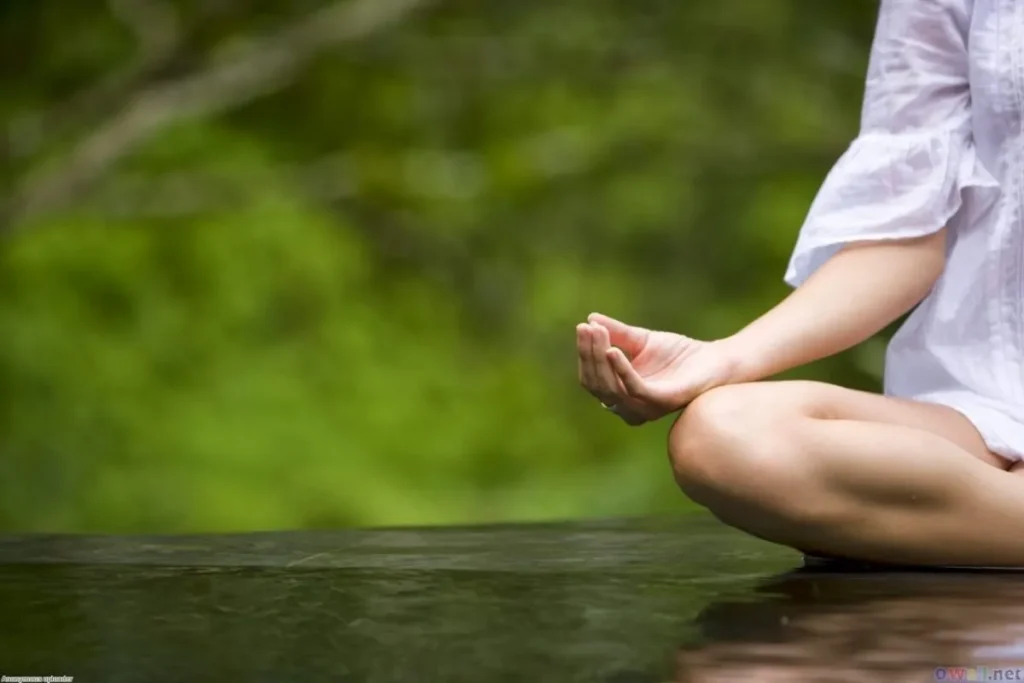
Mindfulness is great for personal well-being and also for groups. In places like work teams, schools, wellness groups, or family events, group mindfulness activities help everyone relax. They also make teams work better together and build stronger friendships.
Studies show that mindfulness exercises for adults really work. Just 10 minutes a day can cut down on depression by almost 20%. It also boosts health habits, making it a key way to improve mental health and well-being.
Adding quick mindfulness activities to group settings helps people become more resilient and develop lasting wellness habits. Places like Liv Hospital use these practices in their care, showing how effective they are.
Fun mindfulness exercises help groups bond and reduce stress quickly. Explore these interactive activities to bring peace and joy to any setting.
Key Takeaways
Mindfulness exercises promote relaxation and reduce depression.
Group mindfulness activities enhance collaboration and interpersonal bonds.
Just 10 minutes of daily mindfulness practice can improve health behaviors.
Incorporating mindfulness into daily routines builds psychological resilience.
Mindfulness is a valuable tool for both individual and group well-being.
The Science Behind Group Mindfulness

Group mindfulness is a powerful tool for better mental health. It’s backed by strong scientific evidence. Recent studies show that group mindfulness exercises really work for adults.
Research-Backed Benefits
Studies reveal that mindfulness and meditation exercises deeply impact mental health. A 2024 study found that 10 minutes of daily mindfulness cut depression by about 19.2% compared to others. This is a big win for using mindfulness group therapy activities in therapy.
Mindfulness-Based Stress Reduction (MBSR) programs boost wellbeing and cut down on psychological distress.
CBT mindfulness activities improve therapy results when mixed with mindfulness.
Regular mindfulness boosts emotional control and lowers stress.
How Group Settings Enhance Mindfulness Practice
The group setting makes mindfulness practice better. Being in a group creates a sense of community and support. This is key for the success of mindfulness exercises for therapists and everyone else.
Group dynamics make mindfulness practice more effective by sharing experiences and support.
Being in a group makes people feel less alone in their struggles and more connected.
The energy of a group boosts motivation and keeps people engaged in mindfulness.
Understanding the science of group mindfulness helps us see its value. It’s important for our daily lives and therapy settings.
Quick Breathing and Body Awareness Fun Mindfulness Exercises

Get your group involved in fun mindfulness activities that boost body awareness and relaxation. These exercises are easy to enjoy and fit everyone, creating a sense of togetherness and calm.
Group Breathing Circle
Start by having everyone stand or sit in a circle. Lead them in a breathing exercise where they breathe together. This group breathing exercise brings a sense of unity and calm.
To make it even better, add a gentle guided imagery script. Ask them to imagine a peaceful scene as they breathe. This is a great example of fun mindfulness activities for groups.
Pass the Clap
“Pass the Clap” is a fun activity that mixes mindfulness with movement. Everyone stands in a circle and passes a clap around. This exercise needs attention and presence, making it a top mindfulness activity for groups.
As they focus on the clap, they become more aware of their surroundings and the moment. You can change the activity by altering the clap’s direction or adding different sounds.
Body Scan Buddies
In this exercise, pairs practice a guided body scan. One person guides their partner through gentle, mindful movements, focusing on different body parts. This activity boosts body awareness and relaxation.
Working in pairs builds trust and connection, making the mindfulness experience better. Encourage partners to share their experiences and feedback after the exercise.
Mindful Movement Mirror
“Mindful Movement Mirror” has participants mirror each other’s movements slowly and deliberately. This exercise promotes mindful movement and presence.
As they mirror, they become more aware of their own bodies and movements. You can use simple gestures or more complex movements, based on the group’s preference.
Engaging Sensory and Observation Activities
By engaging our senses, we can deepen our mindfulness and appreciation for the world. This method helps us connect with our surroundings more deeply. It makes our mindfulness practice more meaningful.
Mindful Seeing Exercise
The Mindful Seeing Exercise is a powerful activity. It encourages us to see our surroundings with fresh eyes. By focusing on nature or objects, we can become more aware and appreciative.
This exercise involves picking an object or natural setting. Spend a few minutes observing it closely. Notice the colors, textures, and patterns, without distractions.
Taste Exploration
Taste Exploration is a sensory activity that promotes mindfulness. By slowly savoring a piece of fruit or snack, we can enhance our sense of taste. This makes us more present.
Choose a simple, flavorful food item. Eat it slowly, focusing on the flavors, textures, and sensations in your mouth.
Texture Walk
A Texture Walk is a fun way to engage our sense of touch. Walk slowly and mindfully, noticing the textures underfoot, like grass, sand, or wood.
This activity boosts sensory awareness. It also encourages us to be fully present in our environment.
Group Sound Mapping
Group Sound Mapping focuses on hearing. Participants listen to sounds around them, creating a mental map of noises and their sources.
This exercise is insightful in groups. Participants share their observations, gaining a broader understanding of their environment.
These sensory and observation activities offer a variety of mindfulness ideas. They can be adapted for different group settings. By using fun mindfulness activities for adults and brief mindfulness exercises, facilitators can create a meaningful experience for everyone.
Interactive Mindfulness Games for Adult Groups
Engage your group with interactive mindfulness games designed to foster connection and calm. These activities are perfect for adult groups looking to cultivate mindfulness in a fun and engaging way.
Mindfulness isn’t just about individual practice; it’s also about connecting with others through fun mindfulness activities. The following games are designed to promote social bonding, emotional regulation, and a sense of community within your group.
Mindful Drawing Partners
This activity encourages participants to work in pairs, taking turns to draw and describe their drawings without looking at each other’s work. It’s a great way to practice mindfulness exercises adults can enjoy together, promoting communication and trust.
Gratitude Ball Toss
In this game, participants stand in a circle and toss a ball to each other, expressing gratitude as they catch or throw the ball. It’s a simple yet effective quick mindfulness activity that fosters a sense of gratitude and connection among group members.
Mindful Listening Pairs
Participants work in pairs, taking turns to listen to each other without interrupting or judging. This activity helps cultivate deep listening skills and empathy, making it a valuable group mindfulness activity.
Emotion Expression Circle
In this activity, participants sit in a circle and take turns expressing their emotions through words, drawings, or gestures. It’s a powerful way to promote emotional awareness and understanding within the group, making it an excellent fun mindfulness activity for adults.
These interactive mindfulness games offer a unique and engaging way to cultivate mindfulness in adult groups. By incorporating these activities into your group sessions, you can promote a sense of calm, connection, and community among participants.
Conclusion
Mindfulness exercises for groups help us feel better, reduce stress, and manage our emotions. By adding these short mindfulness activities to our daily lives, we gain lasting benefits. For therapists, mindfulness exercises for therapists make their work more effective and help their clients grow.
Doing mindfulness group activity brings people together. It creates a supportive space where everyone can grow. This way, we build a community that values wellbeing and resilience.
It’s vital to focus on our mental and emotional health in today’s world. Mindfulness exercises help us become more aware of ourselves, improve our relationships, and live better lives. Whether you’re a therapist or just looking to better yourself, these exercises are a powerful way to make positive changes.
FAQ
What are the benefits of mindfulness exercises for groups?
Mindfulness exercises for groups help everyone relax and work better together. They make people feel closer and can lower stress and anxiety. Plus, they boost mood and overall happiness.
How do group settings enhance mindfulness practice?
Being in a group makes mindfulness practice feel more supportive and connected. It helps people stay motivated and accountable. It also brings a deeper calm and clarity.
What are some fun mindfulness exercises that can be done in a group setting?
Fun group exercises include breathing circles and pass the clap. There’s also body scan buddies and mindful movement mirrors. Mindful seeing, taste exploration, texture walks, and group sound mapping are great too.
How can I facilitate mindfulness exercises in a group setting?
To lead mindfulness exercises, make the space calm and comfy. Give clear instructions and ask everyone to stay in the moment. Guided meditations and soft music can help too.
Are mindfulness exercises suitable for all ages and abilities?
Yes, mindfulness exercises can be made for everyone. They can be changed for different needs and can help anyone feel less stressed and happier.
Can mindfulness exercises be done with a large group?
Yes, big groups can do mindfulness exercises too. Just make sure everyone can see and hear you. The space should be calm and focused.
How often should I practice mindfulness exercises with my group?
It’s good to practice mindfulness often to see its benefits. Start with a few times a week. Then, adjust based on what your group likes and needs.
What are some interactive mindfulness games for adult groups?
Interactive games include mindful drawing and gratitude ball toss. There’s also mindful listening pairs and emotion expression circles. These games help with mindfulness, teamwork, and making friends.
Can mindfulness exercises be incorporated into daily life?
Yes, you can add mindfulness to your daily routine. Encourage your group to practice mindfulness during commutes, breaks, or before bed.
References
JAMA Network. Evidence-Based Medical Insight. Retrieved from https://jamanetwork.com/journals/jamapsychiatry/fullarticle/1523549


